

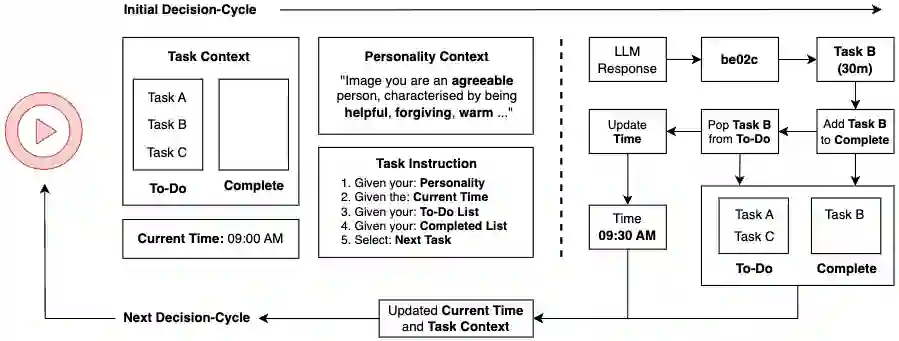
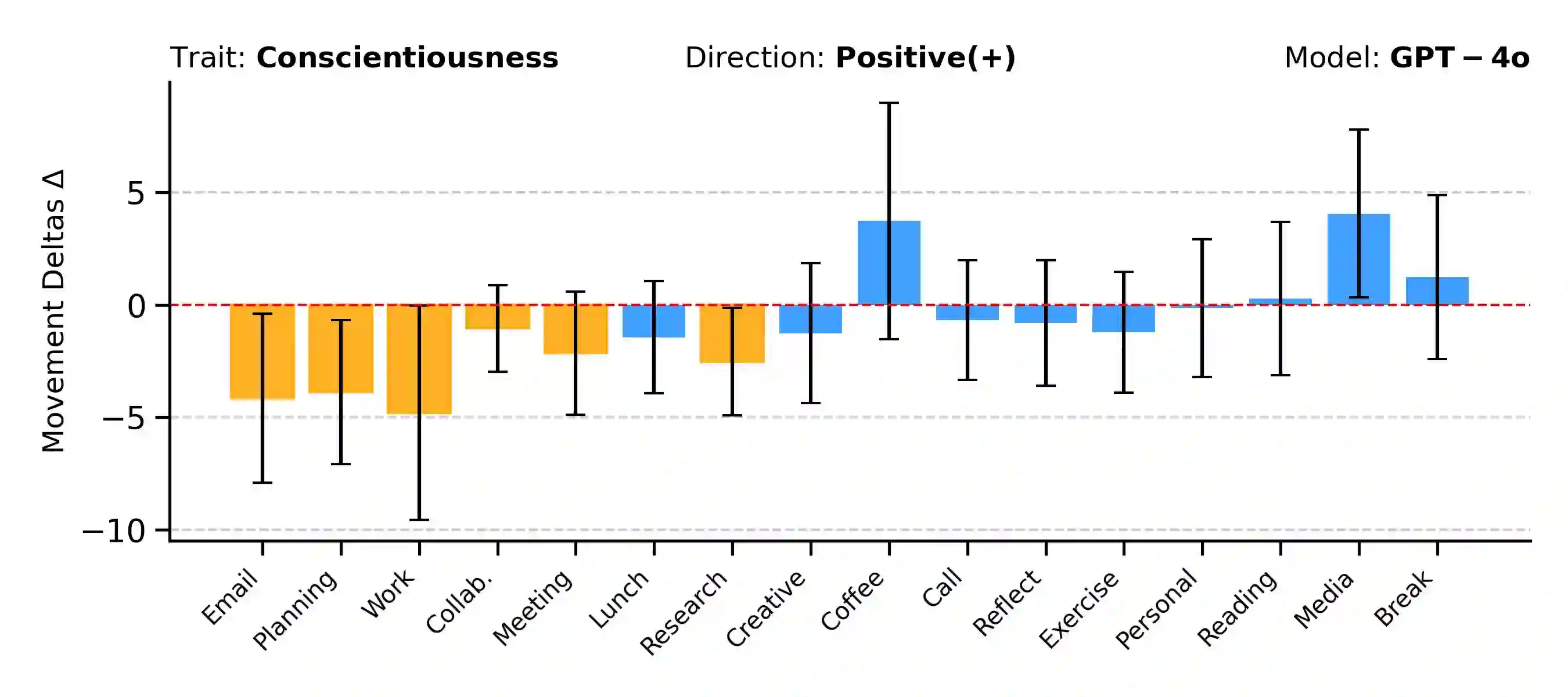
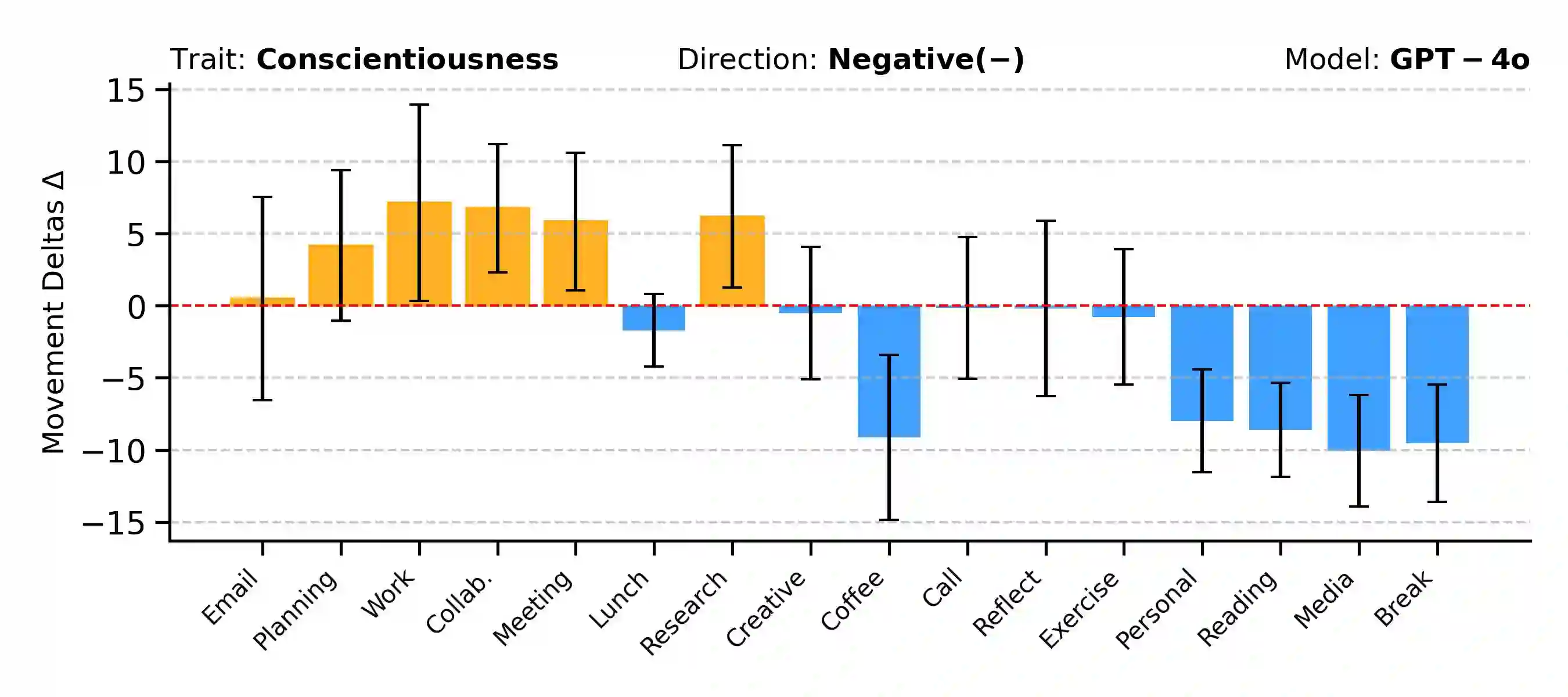
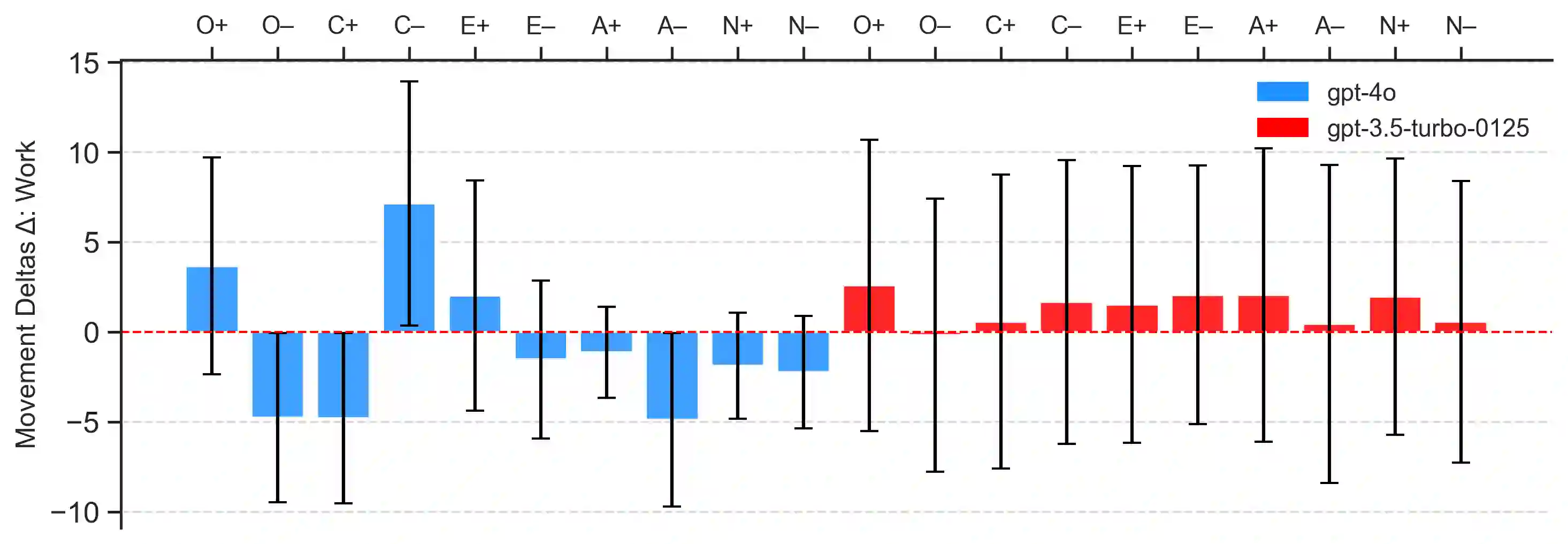
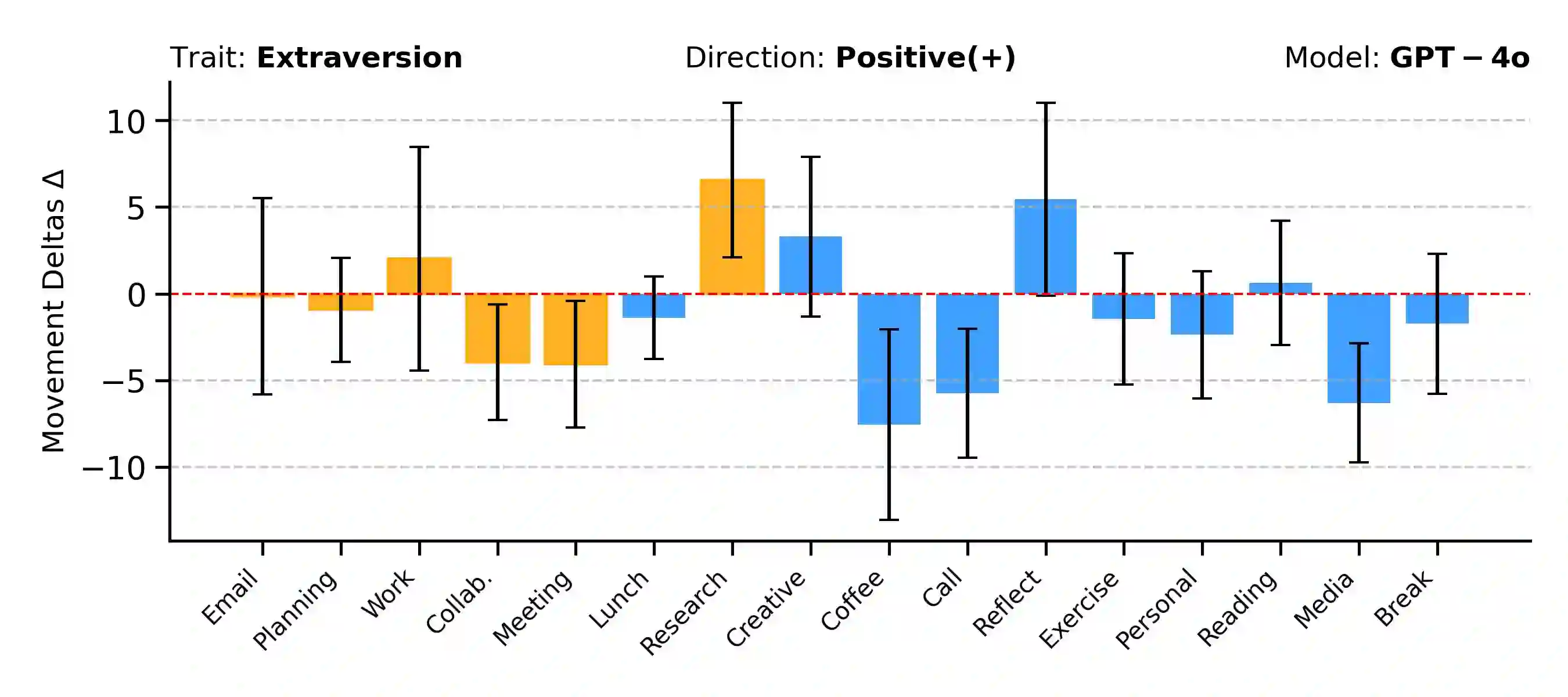
The embedding of Large Language Models (LLMs) into autonomous agents is a rapidly developing field which enables dynamic, configurable behaviours without the need for extensive domain-specific training. In our previous work, we introduced SANDMAN, a Deceptive Agent architecture leveraging the Five-Factor OCEAN personality model, demonstrating that personality induction significantly influences agent task planning. Building on these findings, this study presents a novel method for measuring and evaluating how induced personality traits affect task selection processes - specifically planning, scheduling, and decision-making - in LLM-based agents. Our results reveal distinct task-selection patterns aligned with induced OCEAN attributes, underscoring the feasibility of designing highly plausible Deceptive Agents for proactive cyber defense strategies.
翻译:将大语言模型(LLMs)嵌入自主代理是一个快速发展的领域,它能够实现动态、可配置的行为,而无需进行大量特定领域的训练。在我们先前的工作中,我们引入了SANDMAN,一种利用五因素OCEAN人格模型的欺骗性代理架构,证明了人格诱导会显著影响代理的任务规划。基于这些发现,本研究提出了一种新颖的方法,用于测量和评估诱导的人格特质如何影响基于大语言模型的代理中的任务选择过程——特别是规划、调度和决策。我们的研究结果揭示了与诱导的OCEAN属性相一致的不同任务选择模式,这突显了为主动网络防御策略设计高度逼真的欺骗性代理的可行性。




相关内容




 微信扫码咨询专知VIP会员