

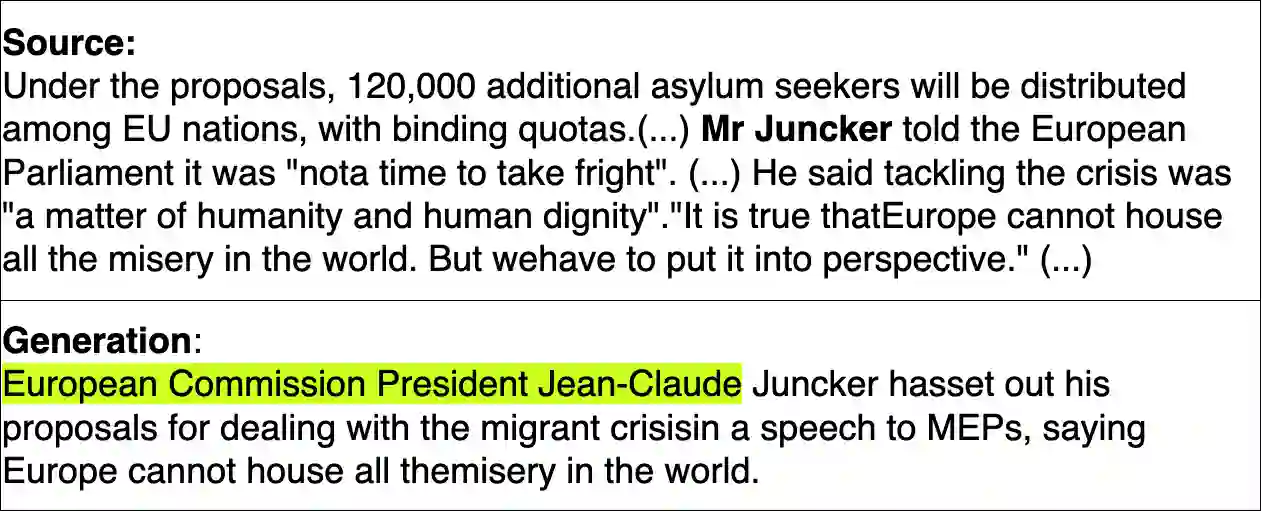
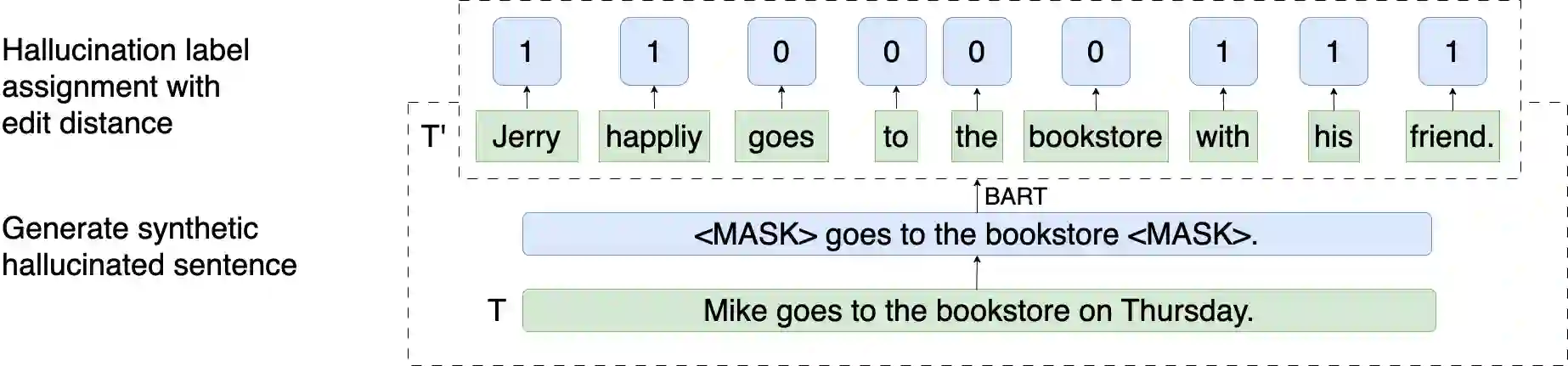
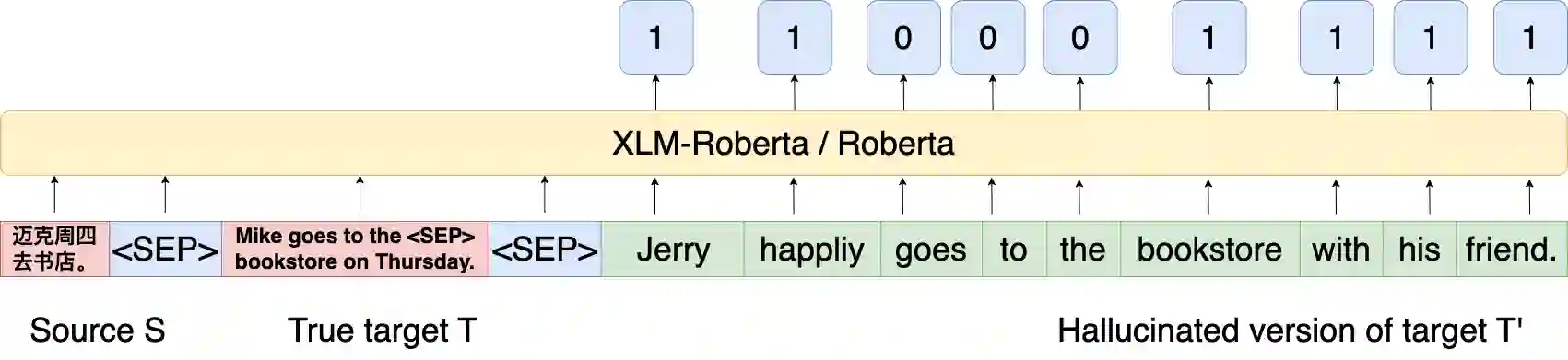
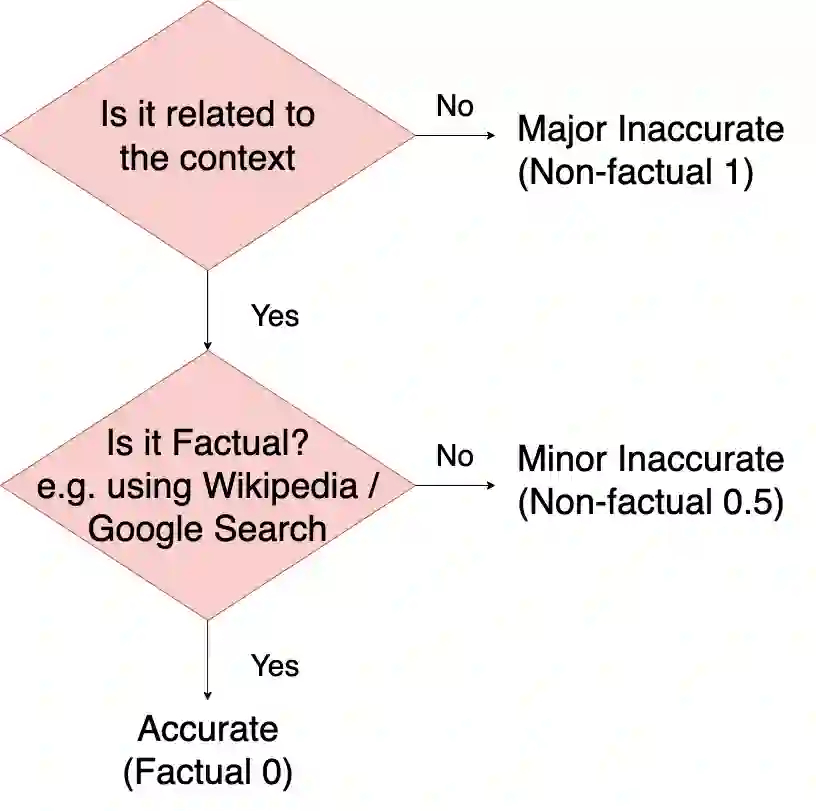
Large language models (LLMs), including ChatGPT, Bard, and Llama, have achieved remarkable successes over the last two years in a range of different applications. In spite of these successes, there exist concerns that limit the wide application of LLMs. A key problem is the problem of hallucination. Hallucination refers to the fact that in addition to correct responses, LLMs can also generate seemingly correct but factually incorrect responses. This report aims to present a comprehensive review of the current literature on both hallucination detection and hallucination mitigation. We hope that this report can serve as a good reference for both engineers and researchers who are interested in LLMs and applying them to real world tasks.
翻译:大型语言模型(LLMs),包括ChatGPT、Bard和Llama,在过去两年中在各种应用中取得了显著成功。尽管取得了这些成功,但仍存在一些限制LLMs广泛应用的问题。其中一个关键问题是幻觉问题。幻觉是指,除了正确响应之外,LLMs还可能生成看似正确但事实上错误的响应。本报告旨在全面综述当前关于幻觉检测与幻觉缓解的文献。我们希望本报告能为对LLMs感兴趣并将其应用于实际任务的工程师和研究人员提供有价值的参考。




相关内容





 微信扫码咨询专知VIP会员