

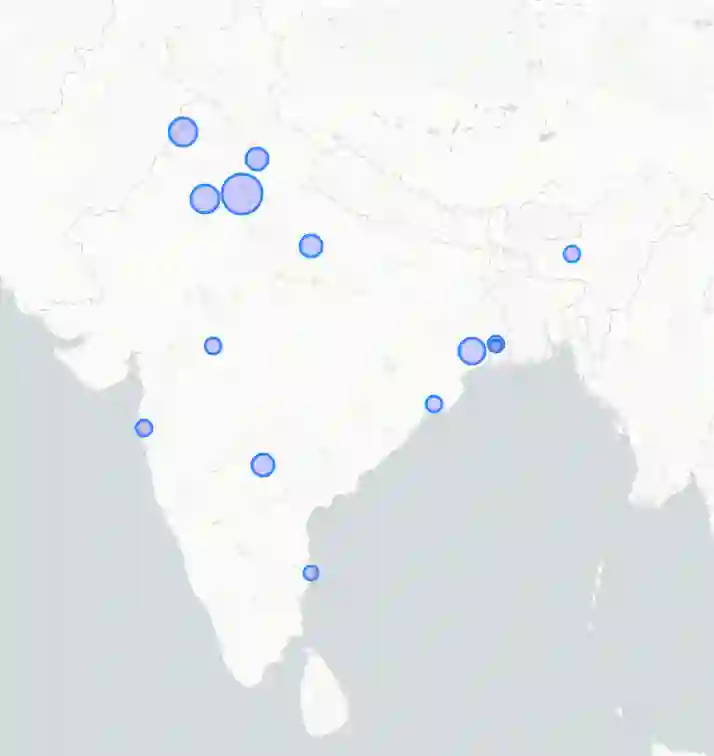
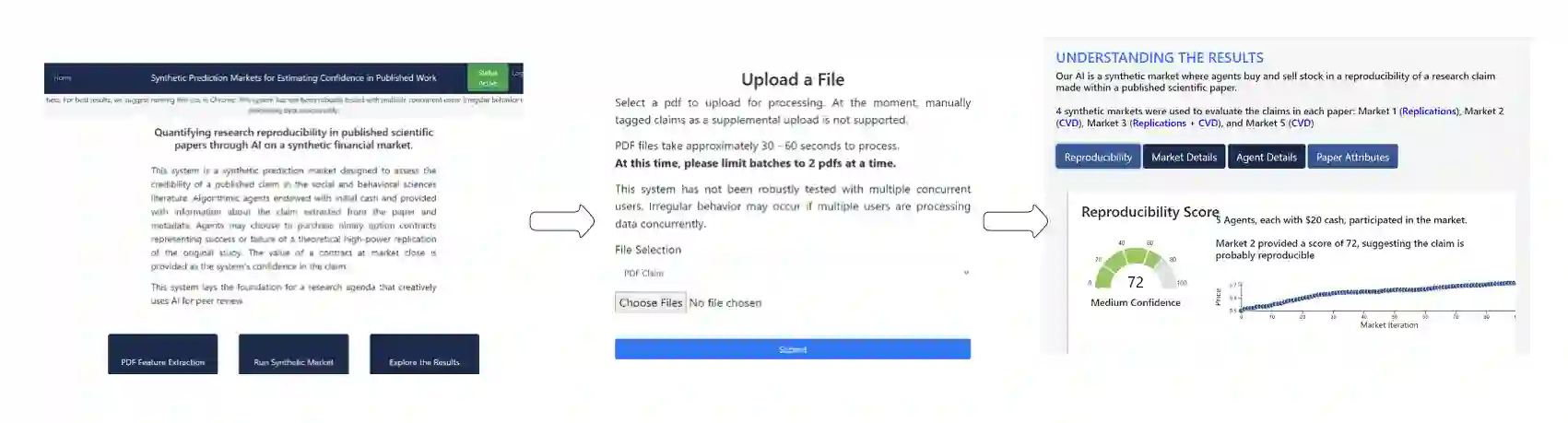
Over the past decade, a crisis of confidence in published scientific findings has catalyzed widespread response from the research community, particularly in the West. These responses have included policy discussions and changes to existing practice as well as computational infrastructure to support and evaluate research. Our work studies Indian researchers' awareness, perceptions, and challenges around research integrity. We explore opportunities for Artificial Intelligence (AI)-powered tools to evaluate reproducibility and replicability, centering cultural perspectives. We discuss requirements for such tools, including signals within papers and metadata to be included, and system hybridity (fully-AI vs. collaborative human-AI). We draw upon 19 semi-structured interviews and 72 follow-up surveys with researchers at universities throughout India. Our findings highlight the need for computational tools to contextualize confidence in published research. In particular, researchers prefer approaches that enable human-AI collaboration. Additionally, our findings emphasize the shortcomings of current incentive structures for publication, funding, and promotion.
翻译:过去十年间,对已发表科学发现的信心危机引发了研究界的广泛应对,尤其是在西方国家。这些应对措施包括政策讨论、现有实践变革,以及支持与评估研究的计算基础设施。本研究探讨了印度研究人员对科研诚信的认知、看法及面临的挑战。我们探索了以文化视角为核心、利用人工智能驱动工具评估可重复性与可复制性的机遇。我们讨论了此类工具的需求,包括论文中需纳入的信号与元数据,以及系统混合性(全AI与人类-AI协作)。基于对印度各地大学研究人员的19次半结构化访谈和72项后续调查,我们的研究结果强调了计算工具在将所发表研究的可信度置于具体语境中的必要性。值得注意的是,研究人员更倾向于支持人类-AI协作的方法。此外,研究结果凸显了当前出版、资助与晋升激励机制存在的缺陷。




相关内容





 微信扫码咨询专知VIP会员