

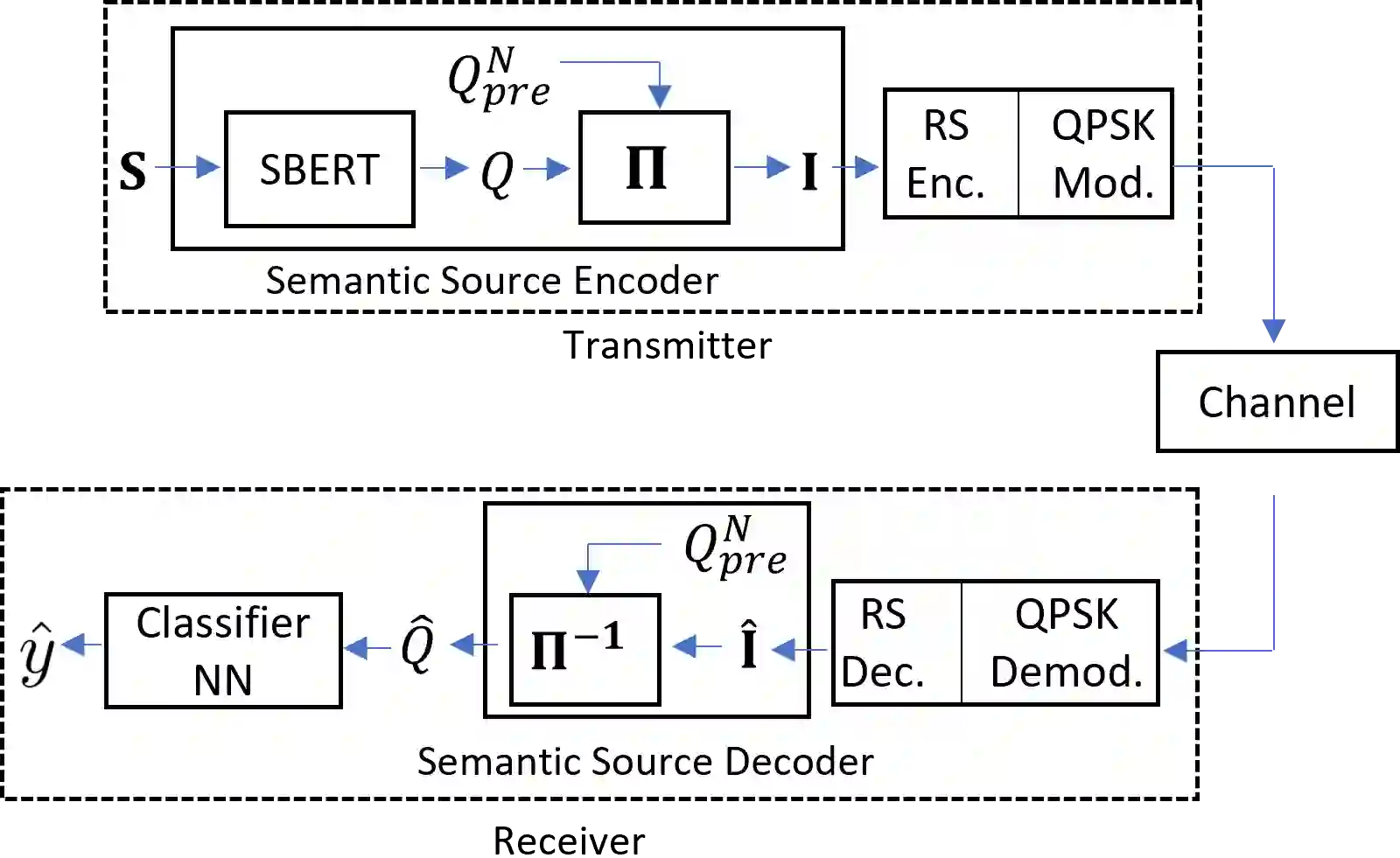
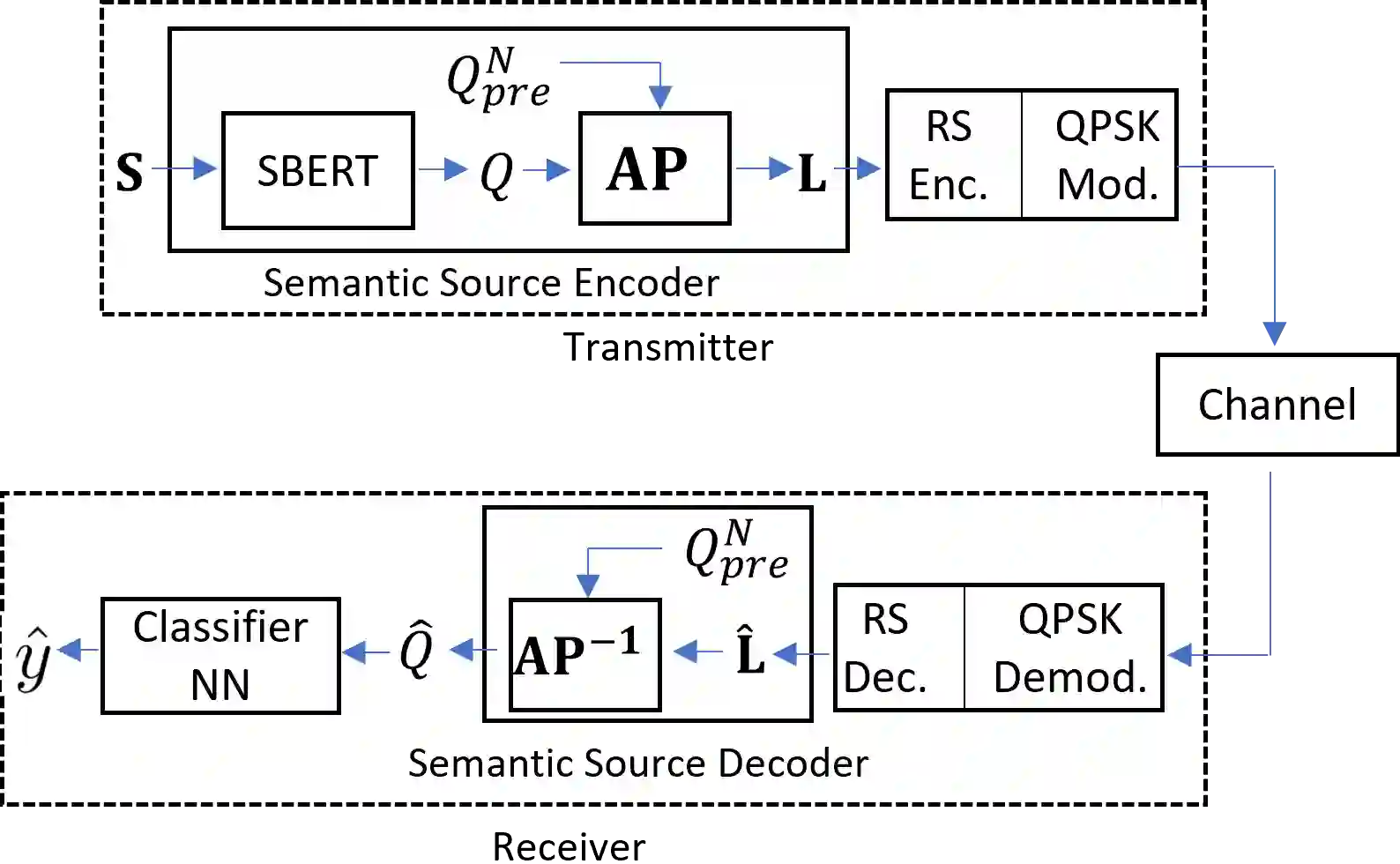
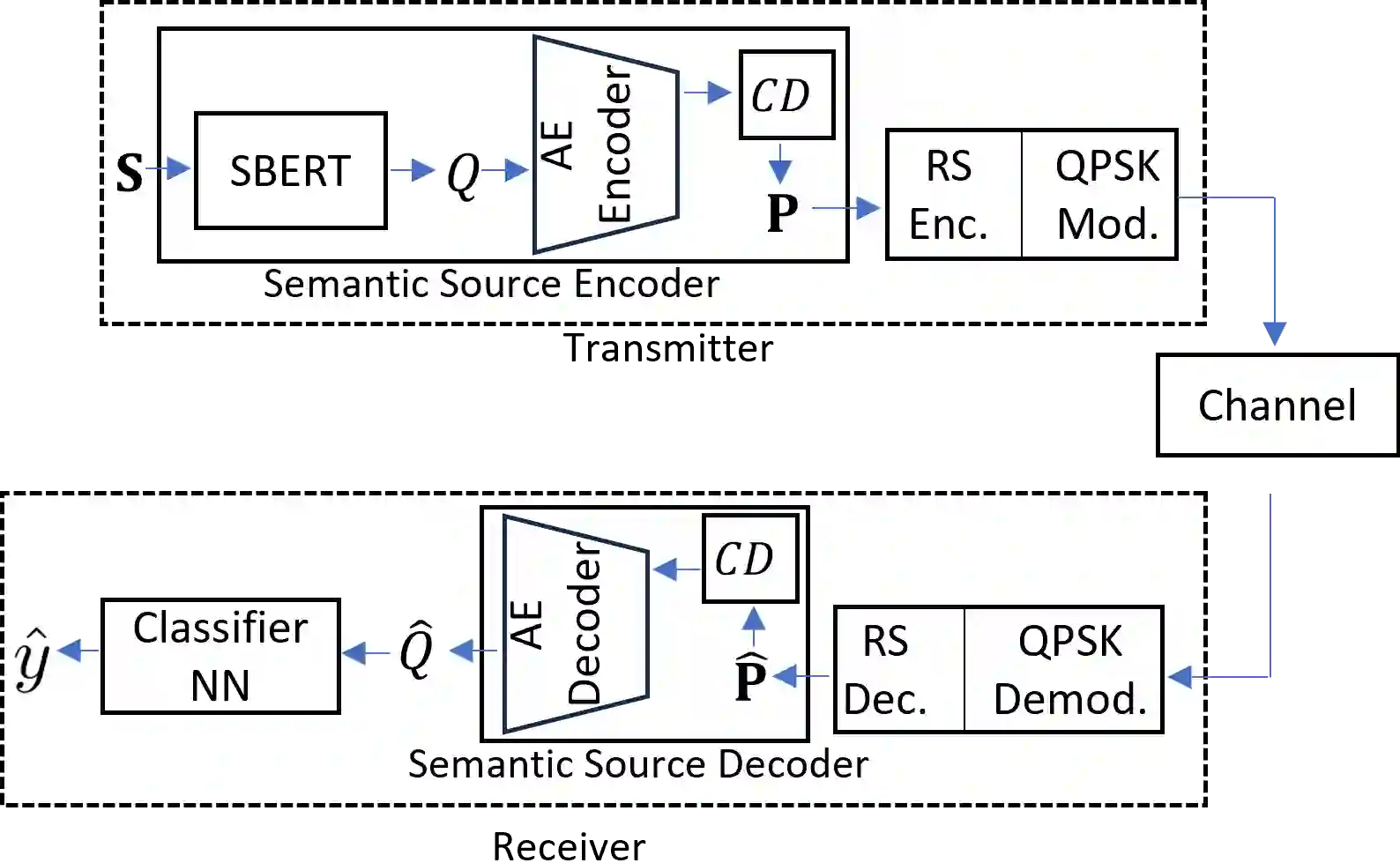
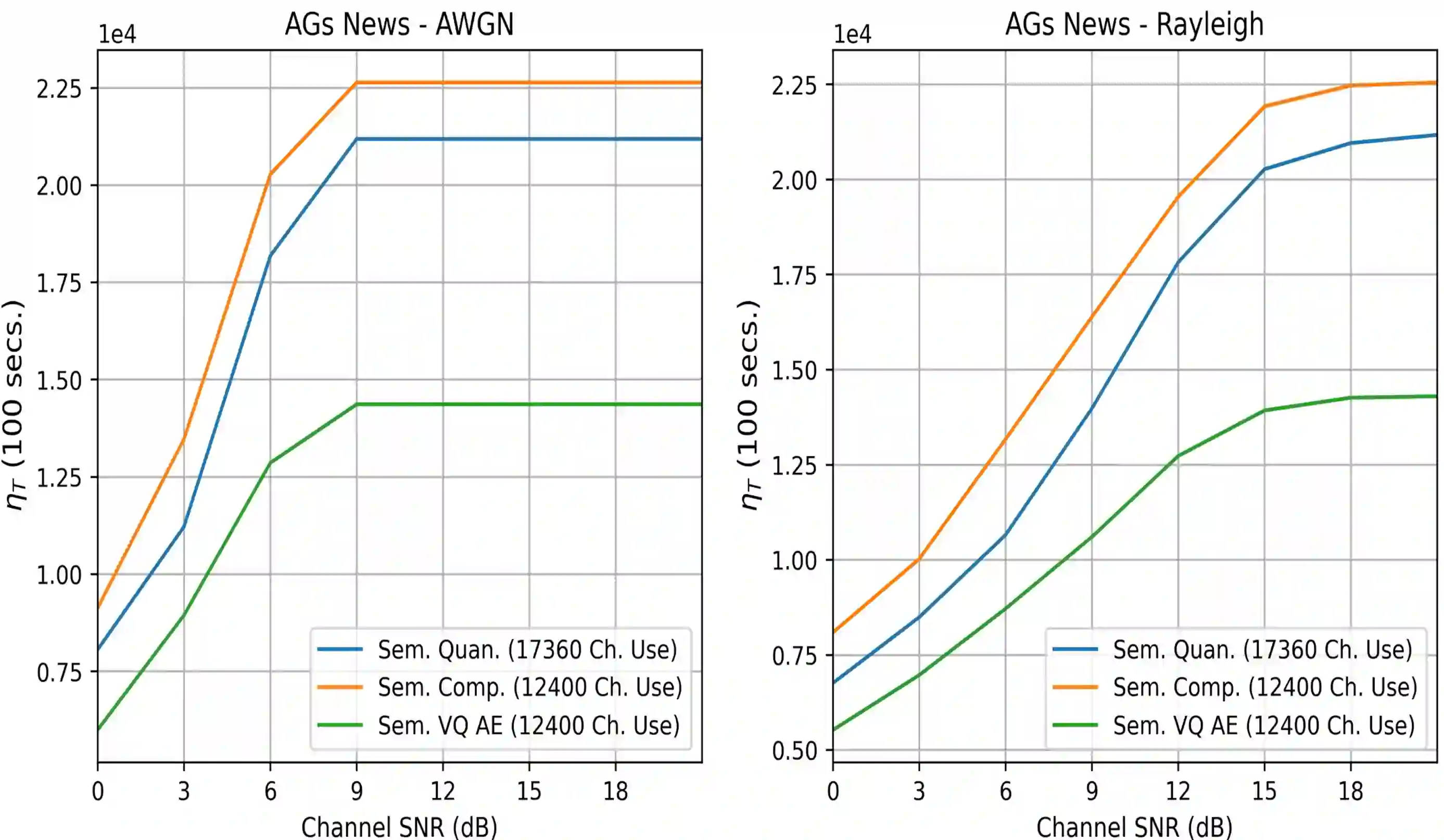
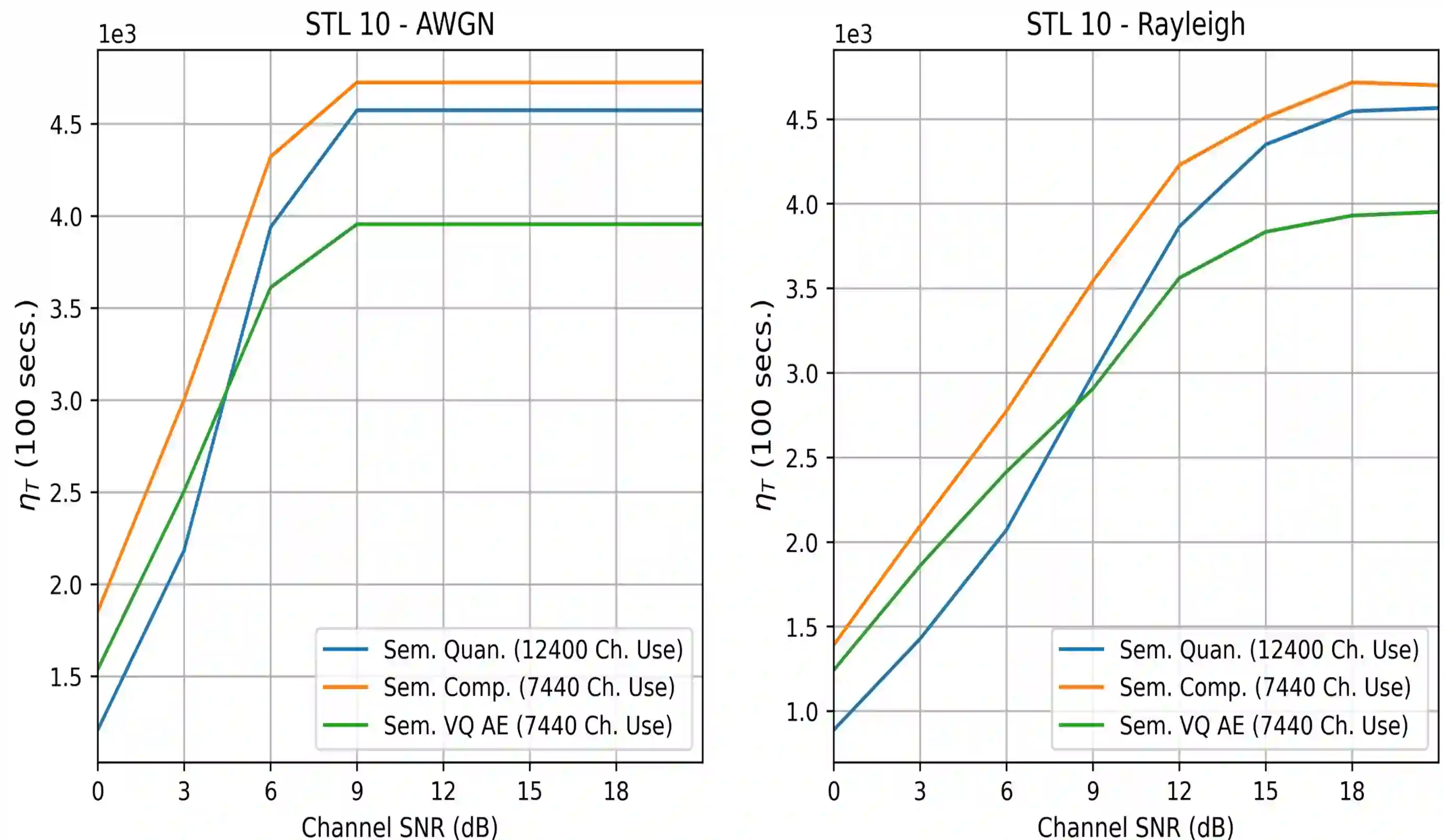
We propose semantic communication over wireless channels for various modalities, e.g., text and images, in a task-oriented communications setup where the task is classification. We present two approaches based on memory and learning. Both approaches rely on a pre-trained neural network to extract semantic information but differ in codebook construction. In the memory-based approach, we use semantic quantization and compression models, leveraging past source realizations as a codebook to eliminate the need for further training. In the learning-based approach, we use a semantic vector quantized autoencoder model that learns a codebook from scratch. Both are followed by a channel coder in order to reliably convey semantic information to the receiver (classifier) through the wireless medium. In addition to classification accuracy, we define system time efficiency as a new performance metric. Our results demonstrate that the proposed memory-based approach outperforms its learning-based counterpart with respect to system time efficiency while offering comparable accuracy to semantic agnostic conventional baselines.
翻译:本文针对多种模态(如文本和图像)的任务导向通信场景,提出语义无线通信方法,其核心任务为分类。我们提出两种基于记忆和学习的方案,二者均依赖预训练神经网络提取语义信息,但在码本构建方式上存在差异。基于记忆的方案采用语义量化与压缩模型,利用历史信源样本构建码本,从而无需额外训练;基于学习的方案则采用语义向量量化自编码器模型,从头学习码本。两种方案后续均通过信道编码器,将语义信息经无线信道可靠传输至接收端(分类器)。除分类精度外,本文首次定义系统时间效率作为新性能指标。实验结果表明,与基于学习的方案相比,所提出的基于记忆的方案在系统时间效率上具有显著优势,同时能达到与语义无关的传统基线方法相当的分类精度。




相关内容





 微信扫码咨询专知VIP会员