

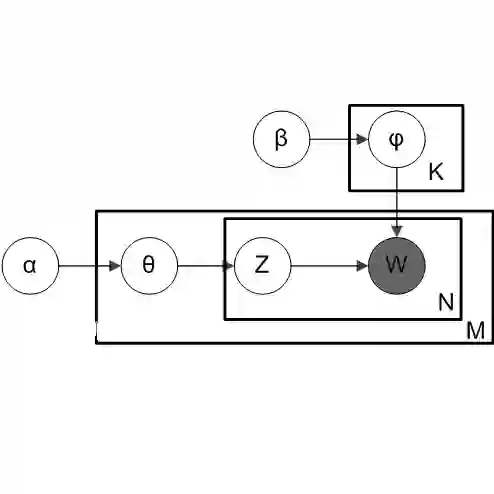
The Arabic Citation Index (ARCI) was launched in 2020. This article provides an overview of the scientific literature contained in this new database and explores its possible usage in research evaluation. As of May 2022, ARCI had indexed 138,283 scientific publications published between 2015 and 2020. ARCI's coverage is characterised by using the metadata available in scientific publications. First, I investigate the distributions of the indexed literature at various levels (research domains, countries, languages, open access). Articles make up nearly all the documents indexed with a share of 99% of ARCI. The Arts & Humanities and Social Sciences fields have the highest concentration of publications. Most indexed journals are published in Egypt, Algeria, Iraq, Jordan, and Saudi Arabia. About 8% of publications in ARCI are published in languages other than Arabic. Second, I use an unsupervised machine learning model, LDA (Latent Dirichlet Allocation), and the text mining algorithm of VOSviewer to uncover the main topics in ARCI. These methods provide a better understanding of ARCI's thematic structure. Next, I discuss how ARCI can complement global standards in the context of a more inclusive research evaluation. Finally, I suggest a few research opportunities after discussing the findings of this study.
翻译:阿拉伯引文索引(ARCI)于2020年启动。本文概述了这一新数据库所收录的科学文献,并探讨了其在研究评估中的潜在用途。截至2022年5月,ARCI已索引了2015年至2020年间发表的138,283篇科学出版物。ARCI的覆盖范围以利用科学出版物中的元数据为特征。首先,我在不同层面(研究领域、国家、语言、开放获取)考察了索引文献的分布情况。文章几乎占据了ARCI中索引的所有文献,占比达99%。艺术与人文学科以及社会科学领域的出版物集中度最高。大部分索引期刊出版于埃及、阿尔及利亚、伊拉克、约旦和沙特阿拉伯。ARCI中约8%的出版物以阿拉伯语以外的语言发表。其次,我使用无监督机器学习模型LDA(潜在狄利克雷分配)和VOSviewer的文本挖掘算法,揭示了ARCI中的主要研究主题。这些方法有助于更深入地理解ARCI的主题结构。接着,我讨论了ARCI如何在更具包容性的研究评估背景下补充全球标准。最后,在讨论本研究结果后,我提出了一些未来研究机遇。




相关内容


 微信扫码咨询专知VIP会员