

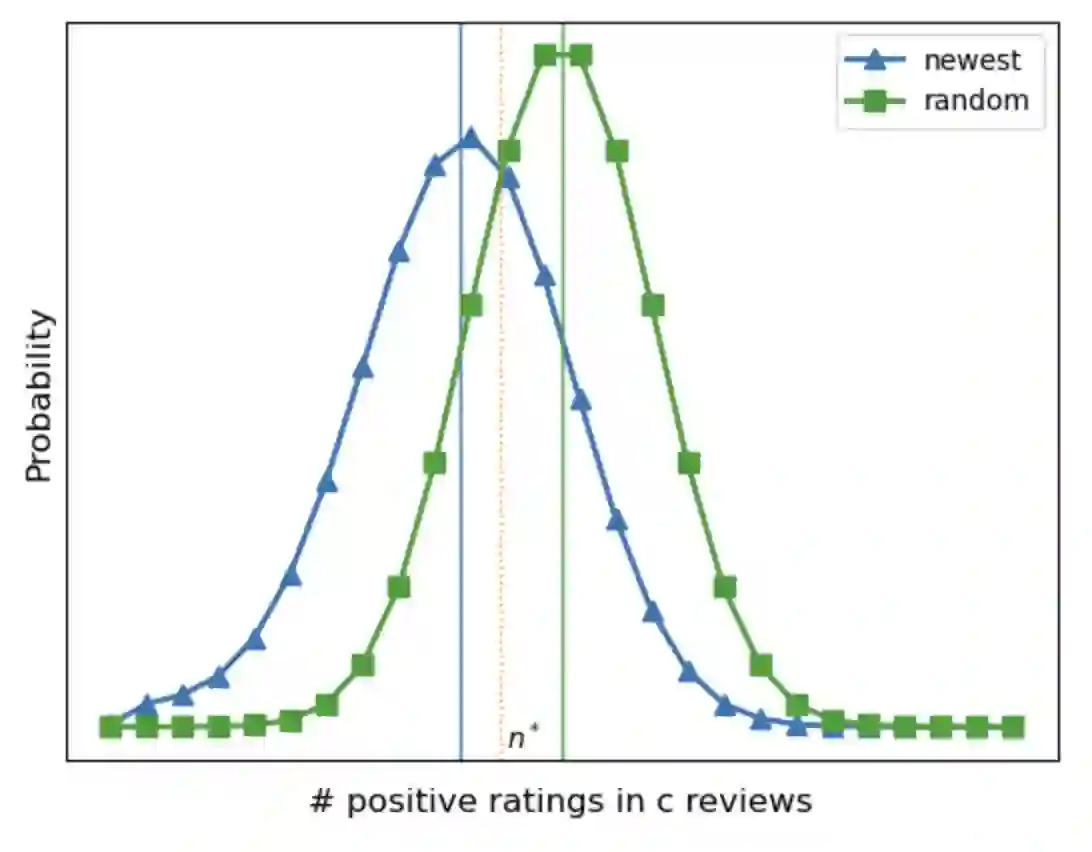
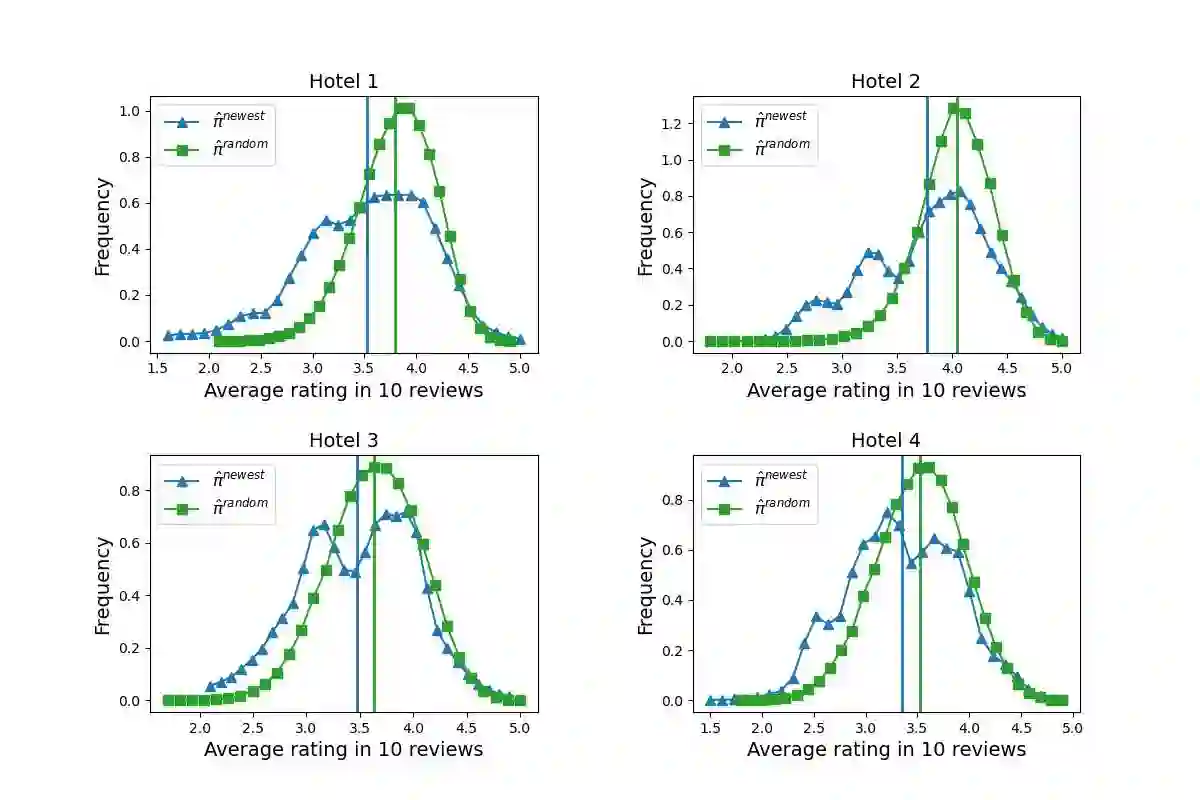
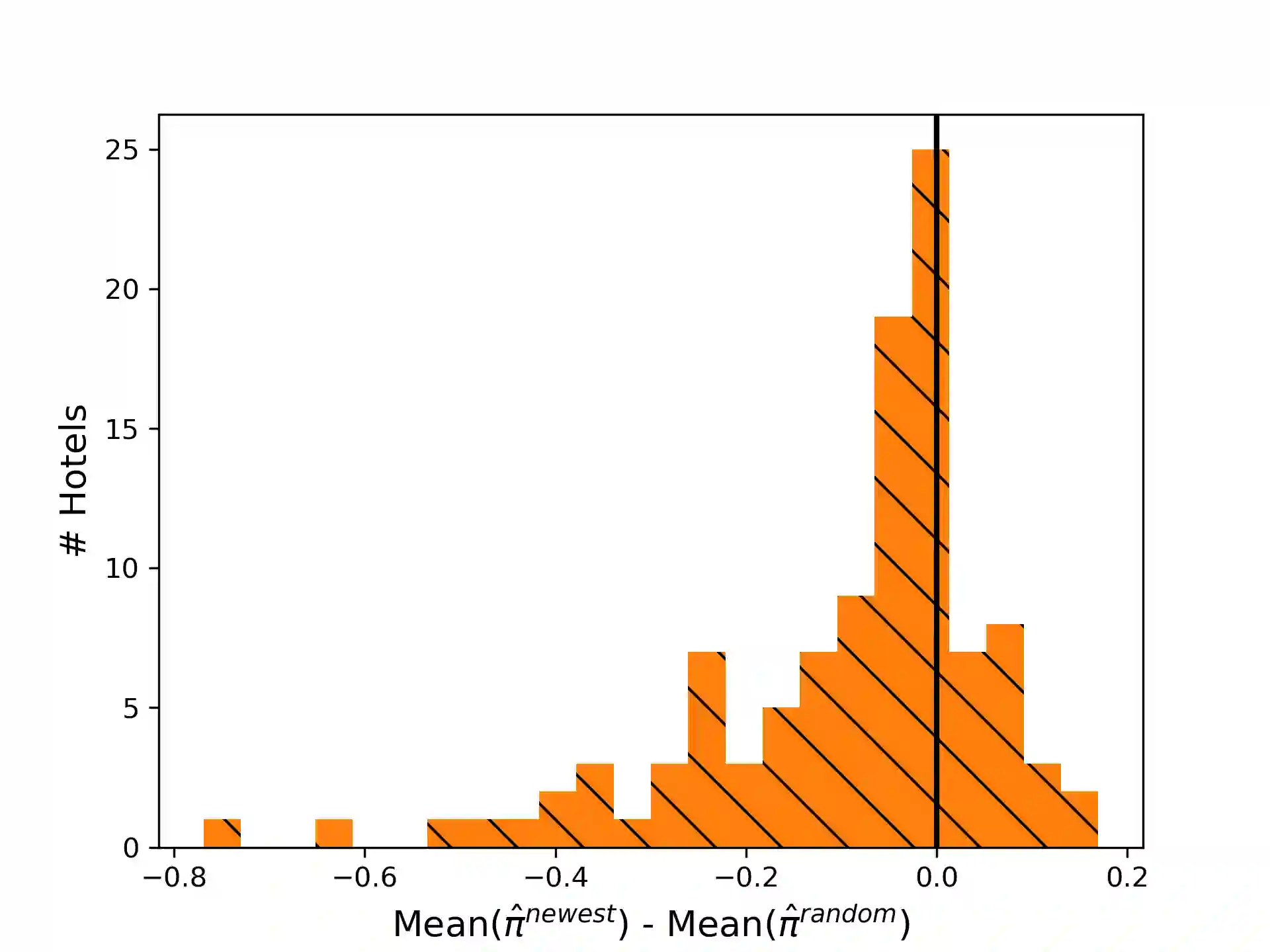
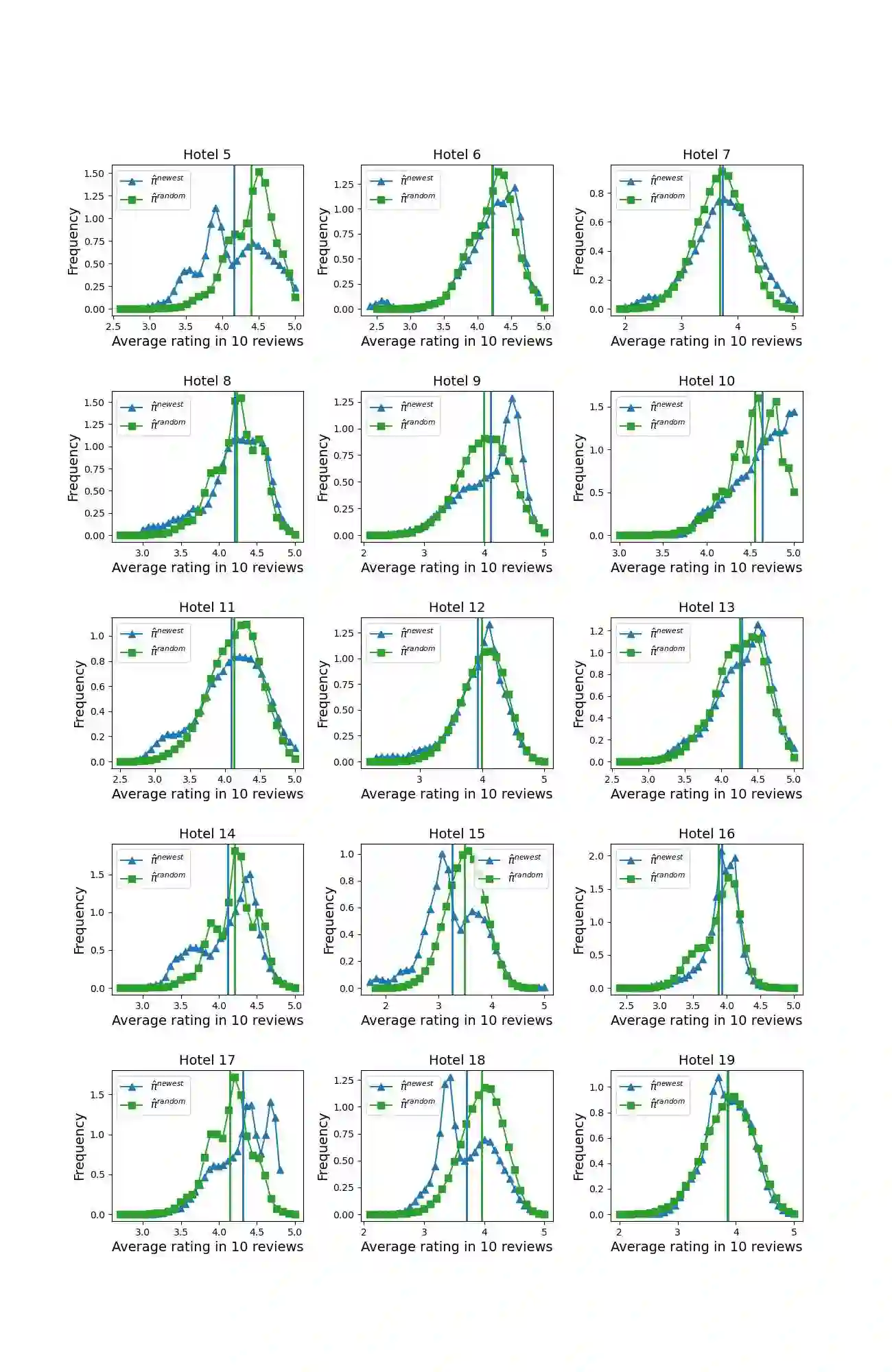
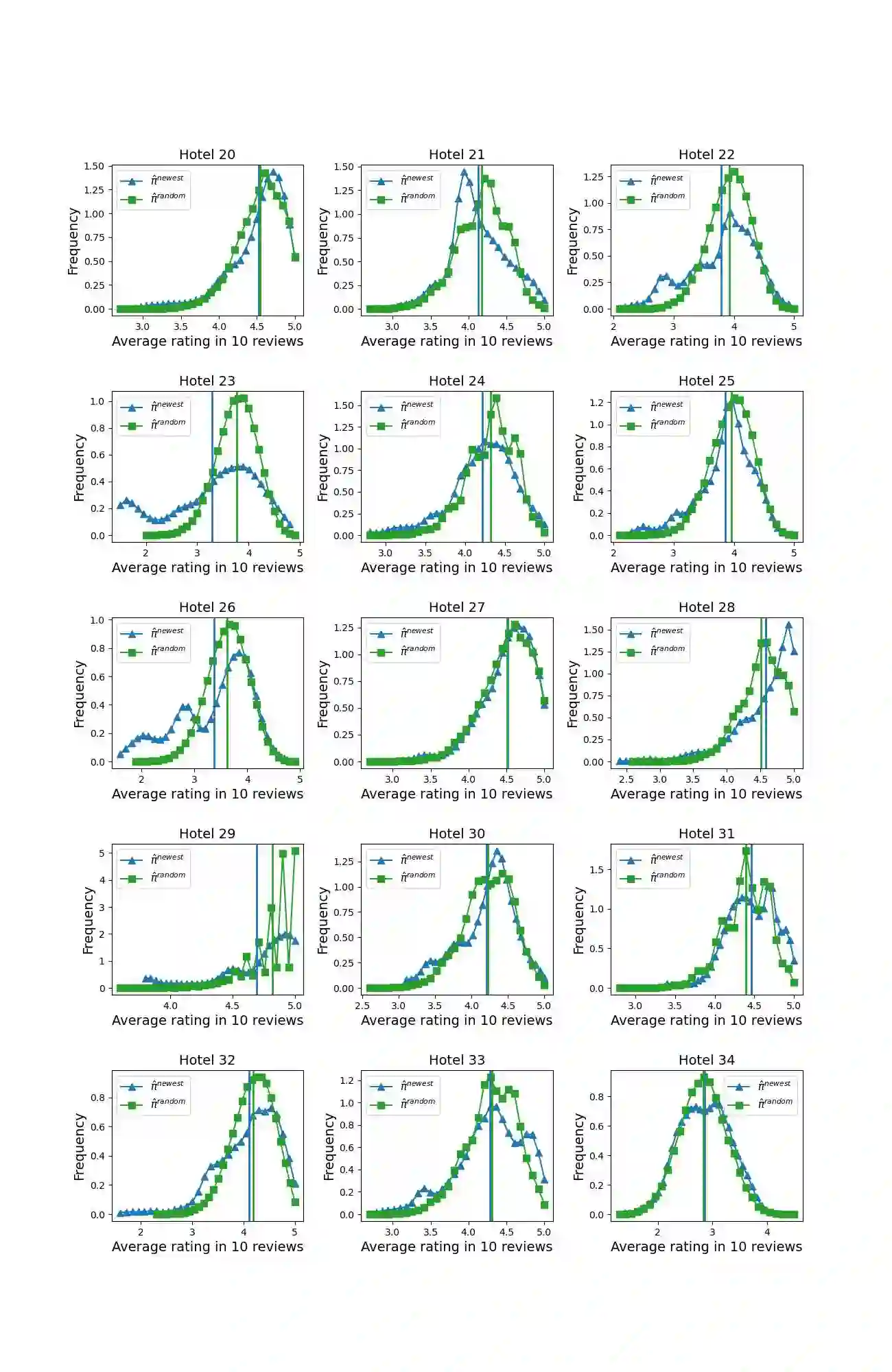
We study a model of social learning from reviews where customers are computationally limited and make purchases based on reading only the first few reviews displayed by the platform. Under this bounded rationality, we establish that the review ordering policy can have a significant impact. In particular, the popular Newest First ordering induces a negative review to persist as the most recent review longer than a positive review. This phenomenon, which we term the Cost of Newest First, can make the long-term revenue unboundedly lower than a counterpart where reviews are exogenously drawn for each customer. We show that the impact of the Cost of Newest First can be mitigated under dynamic pricing, which allows the price to depend on the set of displayed reviews. Under the optimal dynamic pricing policy, the revenue loss is at most a factor of 2. On the way, we identify a structural property for this optimal dynamic pricing: the prices should ensure that the probability of a purchase is always the same, regardless of the state of reviews. We also study an extension of the model where customers put more weight on more recent reviews (and discount older reviews based on their time of posting), and we show that Newest First is still not the optimal ordering policy if customers discount slowly. Lastly, we corroborate our theoretical findings using a real-world review dataset. We find that the average rating of the first page of reviews is statistically significantly smaller than the overall average rating, which is in line with our theoretical results.
翻译:我们研究了一种基于评价的社会学习模型,其中顾客存在计算能力限制,仅根据平台展示的前几条评价做出购买决策。在这种有限理性假设下,我们发现评价排序策略会产生显著影响。具体而言,流行的"最新优先"排序会导致负面评价比正面评价更持久地占据最新评价的位置。我们将这种现象称为"最新优先的代价",它可能使长期收益无限低于为每位顾客外生抽取评价的基准情形。研究表明,通过动态定价(允许价格依赖于展示的评价集合)可以缓解"最新优先的代价"的影响。在最优动态定价策略下,收益损失最多不超过2倍。在此过程中,我们发现了最优动态定价的一个结构性特征:无论评价状态如何,定价都应确保购买概率保持恒定。我们还研究了模型的扩展形式,其中顾客对近期评价赋予更高权重(根据发布时间对较早评价进行折现),并证明若顾客折现速度较慢,最新优先排序仍非最优策略。最后,我们通过真实世界评价数据集验证了理论发现:第一页评价的平均评分在统计上显著低于总体平均评分,这与我们的理论结果一致。




相关内容




 微信扫码咨询专知VIP会员