

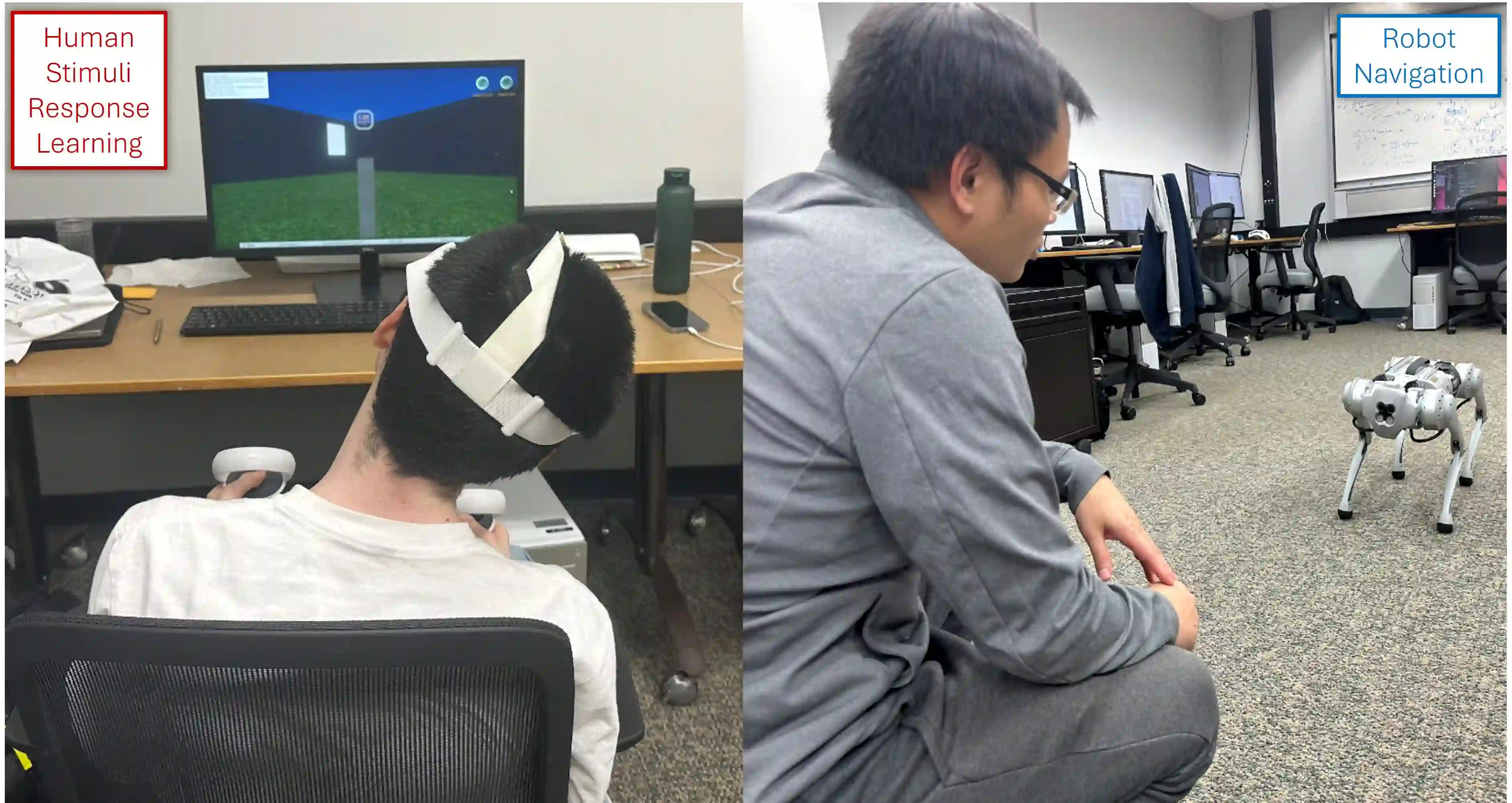
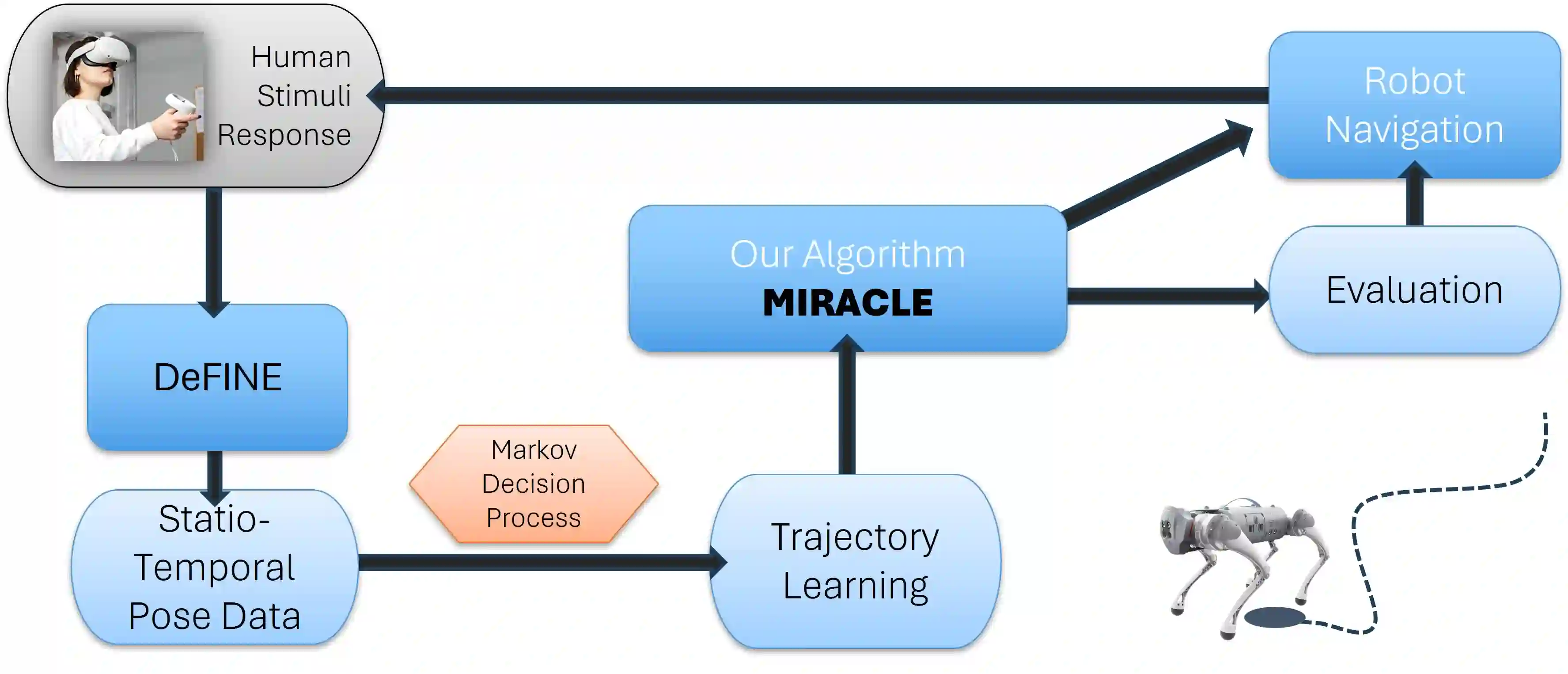
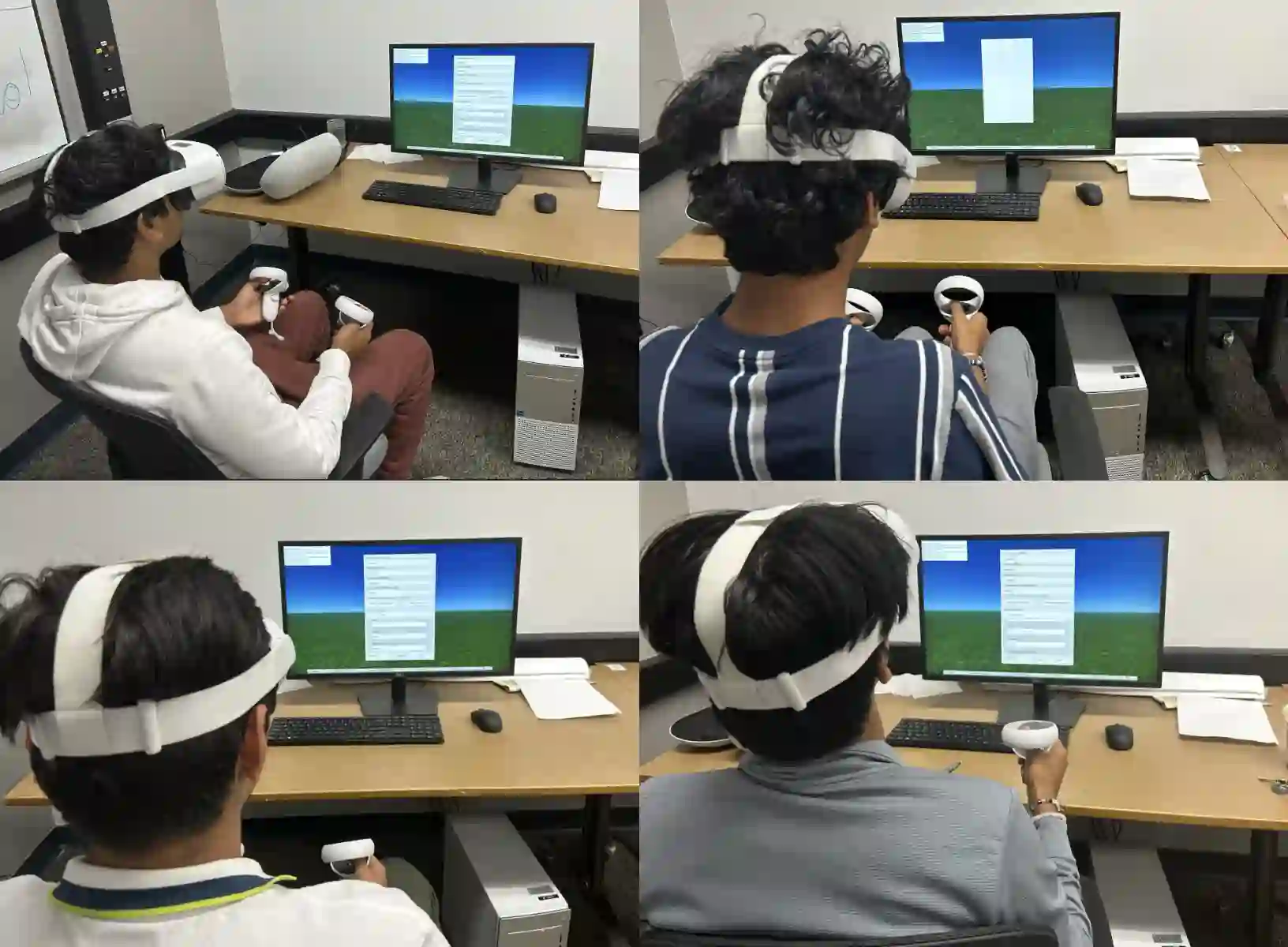
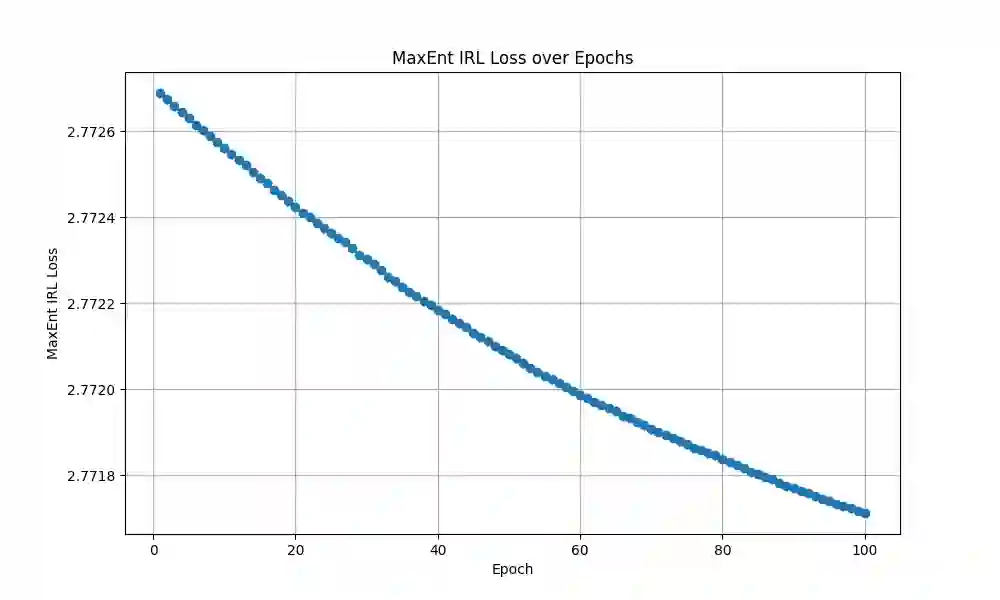
In emergency scenarios, mobile robots must navigate like humans, interpreting stimuli to locate potential victims rapidly without interfering with first responders. Existing socially-aware navigation algorithms face computational and adaptability challenges. To overcome these, we propose a solution, MIRACLE -- an inverse reinforcement and curriculum learning model, that employs gamified learning to gather stimuli-driven human navigational data. This data is then used to train a Deep Inverse Maximum Entropy Reinforcement Learning model, reducing reliance on demonstrator abilities. Testing reveals a low loss of 2.7717 within a 400-sized environment, signifying human-like response replication. Current databases lack comprehensive stimuli-driven data, necessitating our approach. By doing so, we enable robots to navigate emergency situations with human-like perception, enhancing their life-saving capabilities.
翻译:在紧急场景中,移动机器人需模仿人类导航方式,通过解读刺激信号快速定位潜在受害者,同时避免干扰急救人员。现有社交感知导航算法面临计算与适应性挑战。为此,我们提出解决方案MIRACLE——一种逆向强化与课程学习模型,采用游戏化学习机制收集刺激驱动的类人导航数据。该数据随后用于训练深度逆最大熵强化学习模型,从而降低对演示者能力的依赖。在400单元规模环境中测试显示,损失值低至2.7717,表明成功复现类人响应。当前数据库缺乏全面的刺激驱动数据,因此我们的方法具有必要价值。通过该方案,机器人能够在紧急场景中实现类人感知导航,增强其生命救援能力。




相关内容





 微信扫码咨询专知VIP会员