

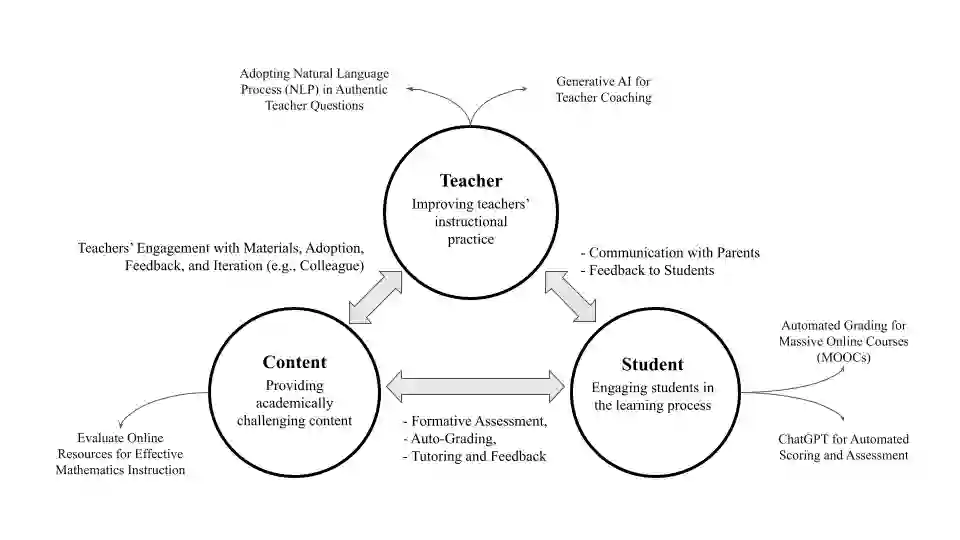
This paper explores the transformative potential of computer-assisted textual analysis in enhancing instructional quality through in-depth insights from educational artifacts. We integrate Richard Elmore's Instructional Core Framework to examine how artificial intelligence (AI) and machine learning (ML) methods, particularly natural language processing (NLP), can analyze educational content, teacher discourse, and student responses to foster instructional improvement. Through a comprehensive review and case studies within the Instructional Core Framework, we identify key areas where AI/ML integration offers significant advantages, including teacher coaching, student support, and content development. We unveil patterns that indicate AI/ML not only streamlines administrative tasks but also introduces novel pathways for personalized learning, providing actionable feedback for educators and contributing to a richer understanding of instructional dynamics. This paper emphasizes the importance of aligning AI/ML technologies with pedagogical goals to realize their full potential in educational settings, advocating for a balanced approach that considers ethical considerations, data quality, and the integration of human expertise.
翻译:本文探讨了计算机辅助文本分析在通过教育制品深度洞察提升教学质量方面的变革潜力。我们整合理查德·埃尔莫尔的《教学核心框架》,考察人工智能(AI)与机器学习(ML)方法(尤其是自然语言处理技术)如何分析教育内容、教师话语及学生回应,以推动教学改进。通过系统综述及基于教学核心框架的案例研究,我们识别出AI/ML整合具有显著优势的关键领域,包括教师指导、学生支持及内容开发。研究揭示,AI/ML不仅能够简化行政任务,更能为个性化学习开辟新路径,为教育工作者提供可操作反馈,并深化对教学动态的理解。本文强调,在实现AI/ML技术教育潜力的过程中,必须使其与教学法目标保持一致,倡导兼顾伦理考量、数据质量及人类专业整合的平衡策略。




相关内容




 微信扫码咨询专知VIP会员