

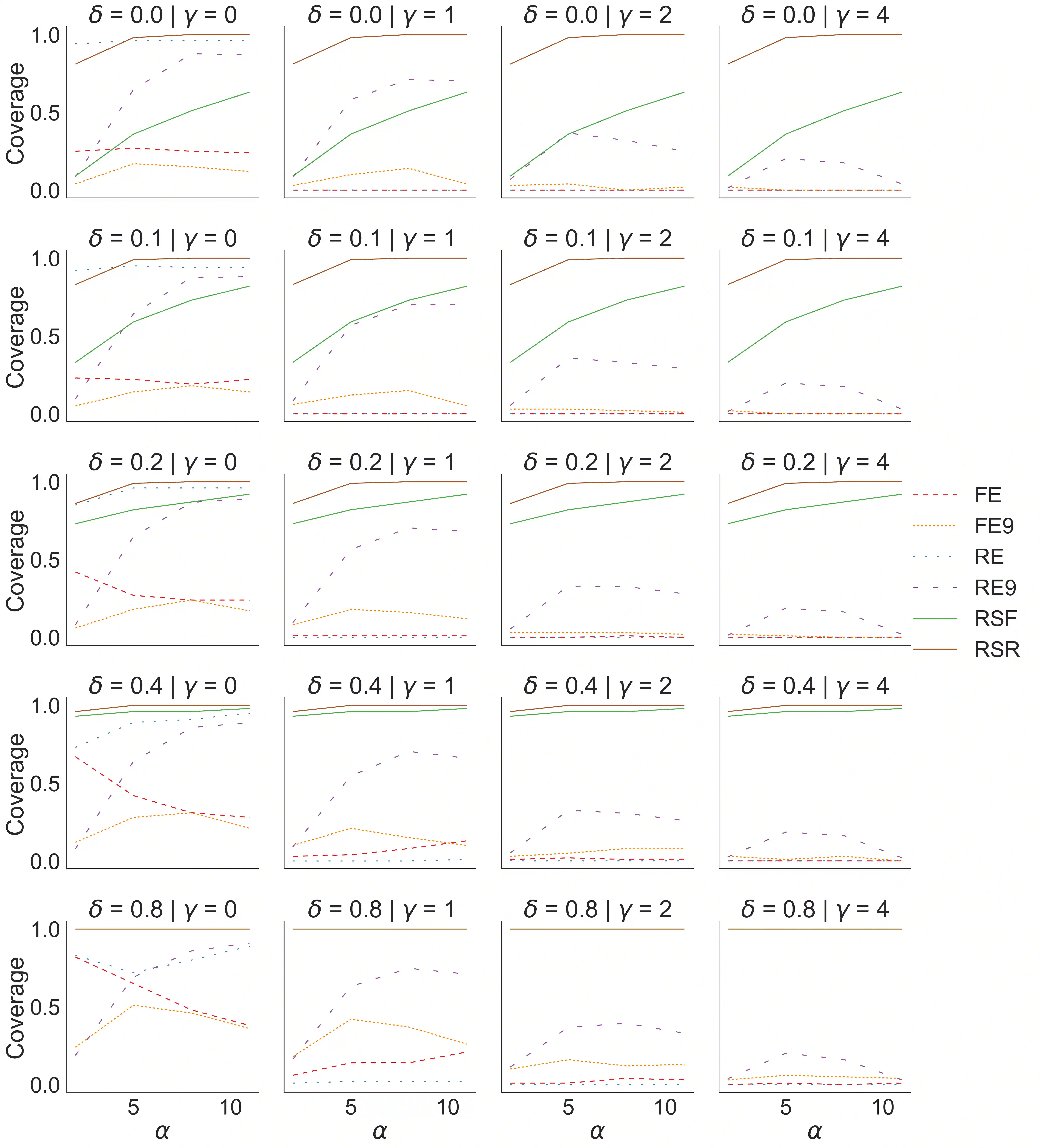
Meta-analysis can be a critical part of the research process, often serving as the primary analysis on which the practitioners, policymakers, and individuals base their decisions. However, current literature synthesis approaches to meta-analysis typically estimate a different quantity than what is implicitly intended; concretely, standard approaches estimate the average effect of a treatment for a population of imperfect studies, rather than the true scientific effect that would be measured in a population of hypothetical perfect studies. We advocate for an alternative method, called response-surface meta-analysis, which models the relationship between the quality of the study design as predictor variables and its reported estimated effect size as the outcome variable in order to estimate the effect size obtained by the hypothetical ideal study. The idea was first introduced by Rubin several decades ago, and here we provide a practical implementation. First, we reintroduce the idea of response-surface meta-analysis, highlighting its focus on a scientifically-motivated estimand while proposing a straightforward implementation. Then we compare the approach to traditional meta-analysis techniques used in practice. We then implement response-surface meta-analysis and contrast its results with existing literature-synthesis approaches on both simulated data and a real-world example published by the Cochrane Collaboration. We conclude by detailing the primary challenges in the implementation of response-surface meta-analysis and offer some suggestions to tackle these challenges.
翻译:元分析可成为研究过程中的关键部分,常作为从业者、政策制定者及个体决策依据的主要分析手段。然而,当前面向文献综合的元分析方法通常估计的量与隐含意图存在偏差;具体而言,标准方法估计的是非完美研究群体中处理效应的平均效果,而非理想化完美研究群体中应测得的真实科学效应。我们提倡一种替代方法,称为响应面元分析。该方法将研究设计质量作为预测变量,将其报告效应量作为结果变量,通过建模两者关系,估计理想化假设研究所实现的效应量。该概念由Rubin于数十年前首次提出,本文提供了其实践实现方案。首先,我们重新阐述响应面元分析的思想,强调其对科学动机明确的估计目标的关注,同时提出简洁的实现框架;继而对比该方法与传统元分析技术在实际应用中的差异;接着,我们实施响应面元分析,并在模拟数据及Cochrane协作组发表的真实案例中,将其结果与现有文献综合方法进行对比;最后,详细论述实施响应面元分析的主要挑战,并提出应对建议。




相关内容




 微信扫码咨询专知VIP会员