

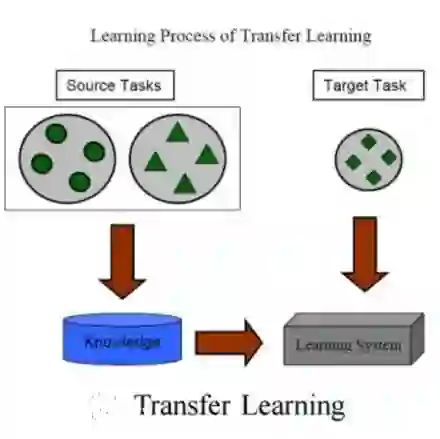
The future 6G network is envisioned to be AI-native, and as such, ML models will be pervasive in support of optimizing performance, reducing energy consumption, and in coping with increasing complexity and heterogeneity. A key challenge is automating the process of finding optimal model architectures satisfying stringent requirements stemming from varying tasks, dynamicity and available resources in the infrastructure and deployment positions. In this paper, we describe and review the state-of-the-art in Neural Architecture Search and Transfer Learning and their applicability in networking. Further, we identify open research challenges and set directions with a specific focus on three main requirements with elements unique to the future network, namely combining NAS and TL, multi-objective search, and tabular data. Finally, we outline and discuss both near-term and long-term work ahead.
翻译:未来的6G网络被设想为人工智能原生网络,因此机器学习模型将广泛应用于性能优化、能耗降低以及应对日益增长的复杂性和异构性。一个关键挑战在于自动化寻找满足严格要求的优化模型架构,这些要求源于基础设施和部署位置中不断变化的任务、动态性及可用资源。本文系统阐述并综述了神经架构搜索与迁移学习的前沿进展及其在网络领域的适用性。进一步,我们明确了开放的研究挑战并设定了研究方向,特别聚焦于未来网络特有的三大核心需求:神经架构搜索与迁移学习的融合、多目标搜索以及表格数据处理。最后,我们规划并讨论了近期与长期的研究路径。




相关内容



 微信扫码咨询专知VIP会员