

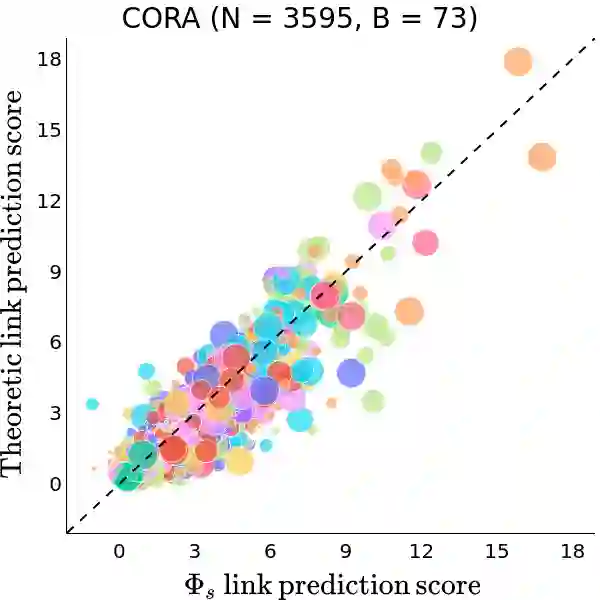
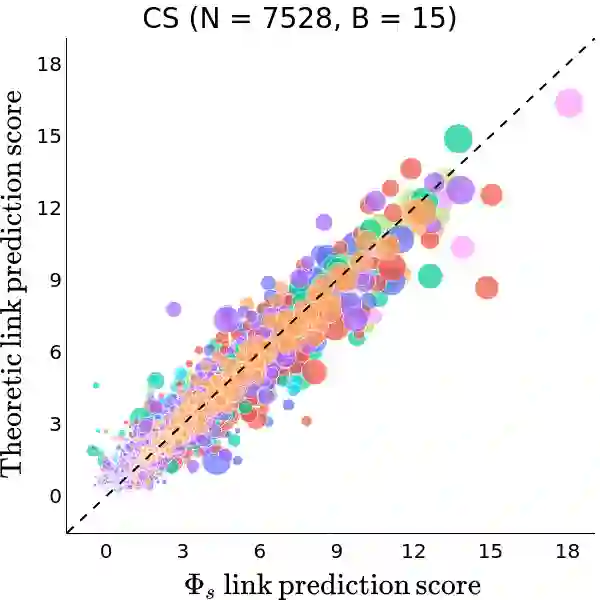
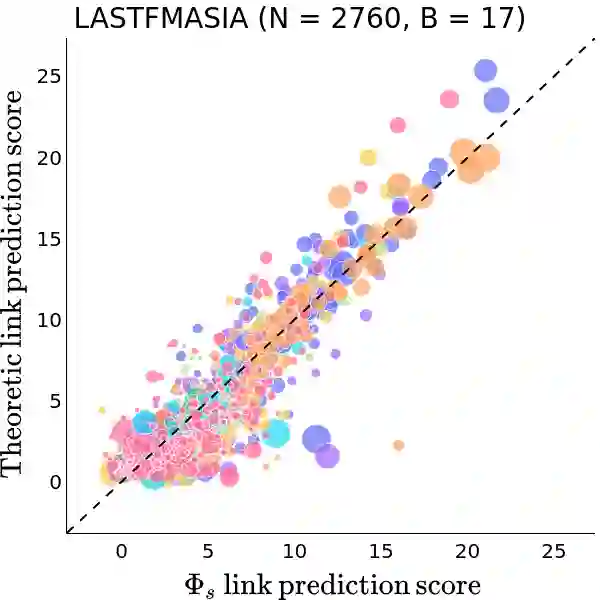
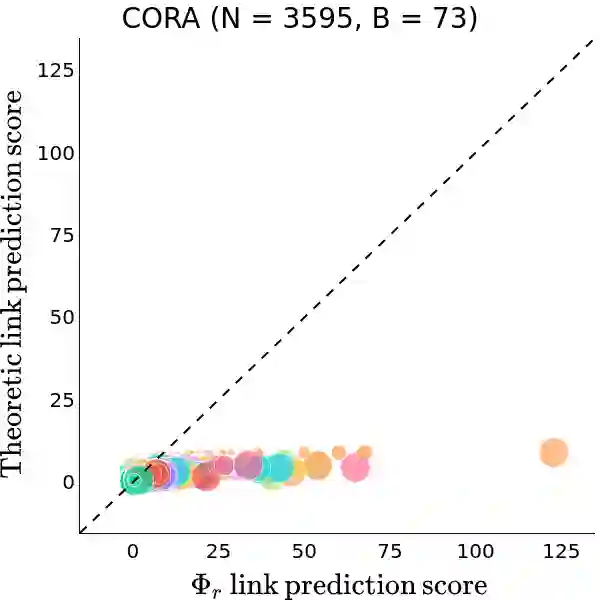
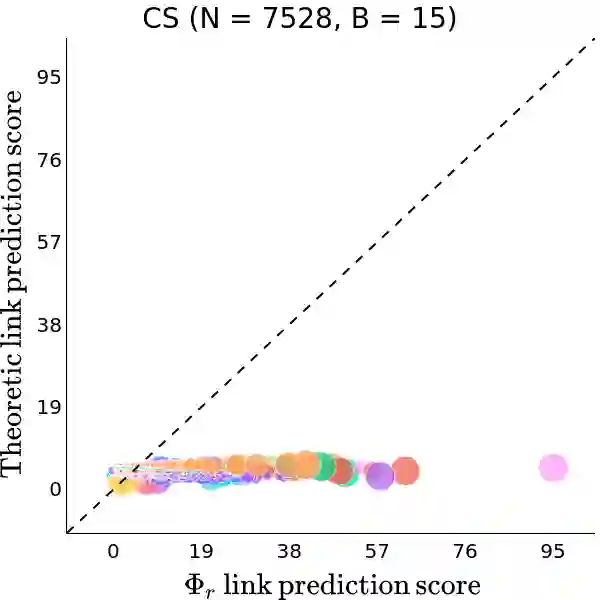
Graph neural network (GNN) link prediction is increasingly deployed in citation, collaboration, and online social networks to recommend academic literature, collaborators, and friends. While prior research has investigated the dyadic fairness of GNN link prediction, the within-group fairness and ``rich get richer'' dynamics of link prediction remain underexplored. However, these aspects have significant consequences for degree and power imbalances in networks. In this paper, we shed light on how degree bias in networks affects Graph Convolutional Network (GCN) link prediction. In particular, we theoretically uncover that GCNs with a symmetric normalized graph filter have a within-group preferential attachment bias. We validate our theoretical analysis on real-world citation, collaboration, and online social networks. We further bridge GCN's preferential attachment bias with unfairness in link prediction and propose a new within-group fairness metric. This metric quantifies disparities in link prediction scores between social groups, towards combating the amplification of degree and power disparities. Finally, we propose a simple training-time strategy to alleviate within-group unfairness, and we show that it is effective on citation, online social, and credit networks.
翻译:图神经网络(GNN)链接预测越来越多地应用于引文网络、合作网络和在线社交网络中,用于推荐学术文献、合作者和朋友。尽管已有研究探讨了GNN链接预测的二元公平性,但链接预测的组内公平性和"富者愈富"动态仍未得到充分探索。然而,这些方面对网络中的度数和权力不均衡具有重要影响。本文揭示了网络中度数偏差如何影响图卷积网络(GCN)链接预测。具体而言,我们从理论上发现,采用对称归一化图滤波器的GCN存在组内优先依附偏差。我们在真实世界的引文网络、合作网络和在线社交网络上验证了理论分析。我们进一步将GCN的优先依附偏差与链接预测中的不公平性联系起来,并提出了一种新的组内公平性度量指标。该指标量化了社会群体间链接预测分数的差异,以应对度数和权力差距的放大效应。最后,我们提出了一种简单的训练时策略来缓解组内不公平性,并在引文网络、在线社交网络和信用网络上验证了其有效性。




相关内容


 微信扫码咨询专知VIP会员