

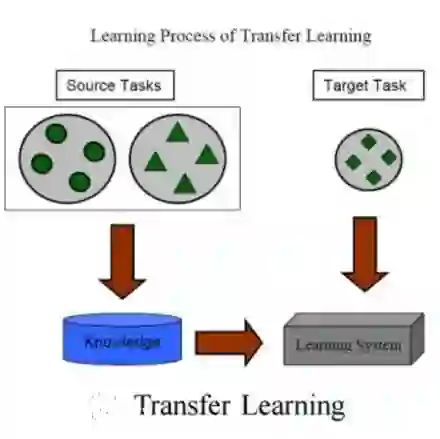
The aquaculture sector in New Zealand is experiencing rapid expansion, with a particular emphasis on mussel exports. As the demands of mussel farming operations continue to evolve, the integration of artificial intelligence and computer vision techniques, such as intelligent object detection, is emerging as an effective approach to enhance operational efficiency. This study delves into advancing buoy detection by leveraging deep learning methodologies for intelligent mussel farm monitoring and management. The primary objective centers on improving accuracy and robustness in detecting buoys across a spectrum of real-world scenarios. A diverse dataset sourced from mussel farms is captured and labeled for training, encompassing imagery taken from cameras mounted on both floating platforms and traversing vessels, capturing various lighting and weather conditions. To establish an effective deep learning model for buoy detection with a limited number of labeled data, we employ transfer learning techniques. This involves adapting a pre-trained object detection model to create a specialized deep learning buoy detection model. We explore different pre-trained models, including YOLO and its variants, alongside data diversity to investigate their effects on model performance. Our investigation demonstrates a significant enhancement in buoy detection performance through deep learning, accompanied by improved generalization across diverse weather conditions, highlighting the practical effectiveness of our approach.
翻译:新西兰水产养殖业正经历快速发展,尤其以贻贝出口为重心。随着贻贝养殖作业需求的持续演变,融合人工智能与计算机视觉技术(如智能目标检测)正成为提升运营效率的有效途径。本研究深入探索通过深度学习方法推进浮标检测,以实现智能贻贝养殖场监测与管理。核心目标在于提升复杂现实场景中浮标检测的准确性与鲁棒性。我们采集并标注了来自贻贝养殖场的多样化数据集,涵盖安装在浮动平台与航行船只上的摄像机所拍摄的影像,包含不同光照与天气条件。为在有限标注数据下建立有效的深度学习浮标检测模型,我们采用迁移学习技术,通过对预训练目标检测模型进行迁移适配,构建专用深度学习浮标检测模型。我们探究了包括YOLO及其变体在内的不同预训练模型,并结合数据多样性分析其对模型性能的影响。研究结果表明,基于深度学习的浮标检测性能显著提升,且模型在不同天气条件下具有更强的泛化能力,充分验证了该方法的实际应用效能。




相关内容




 微信扫码咨询专知VIP会员