

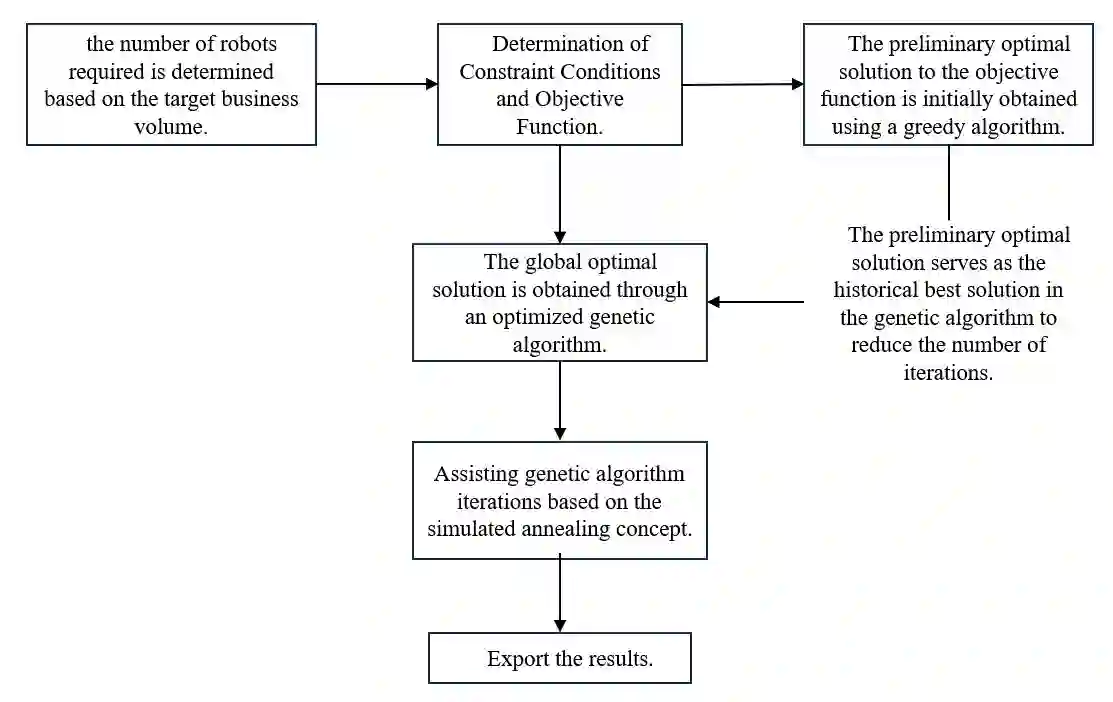
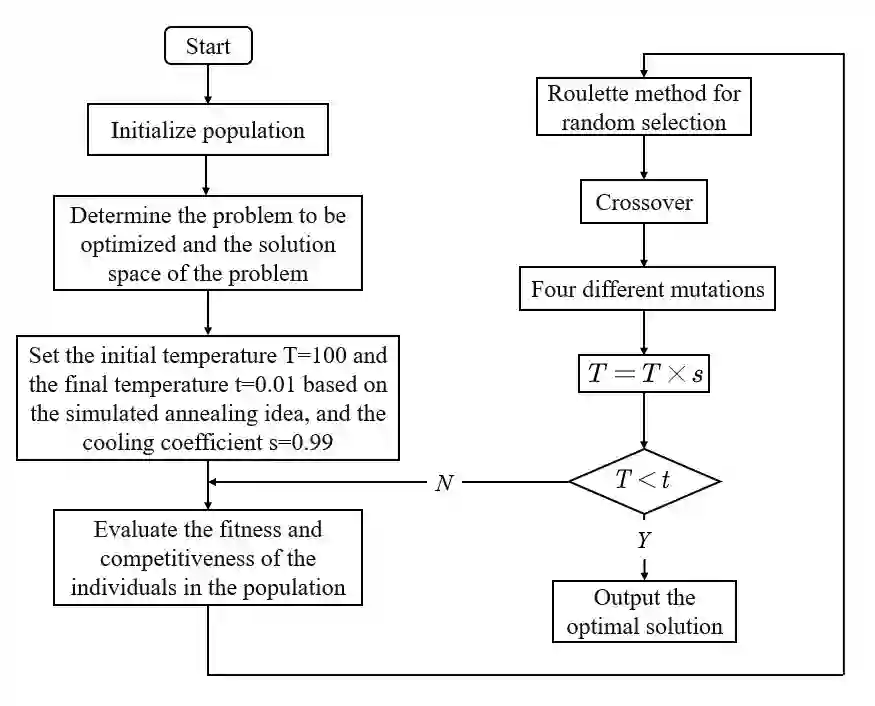
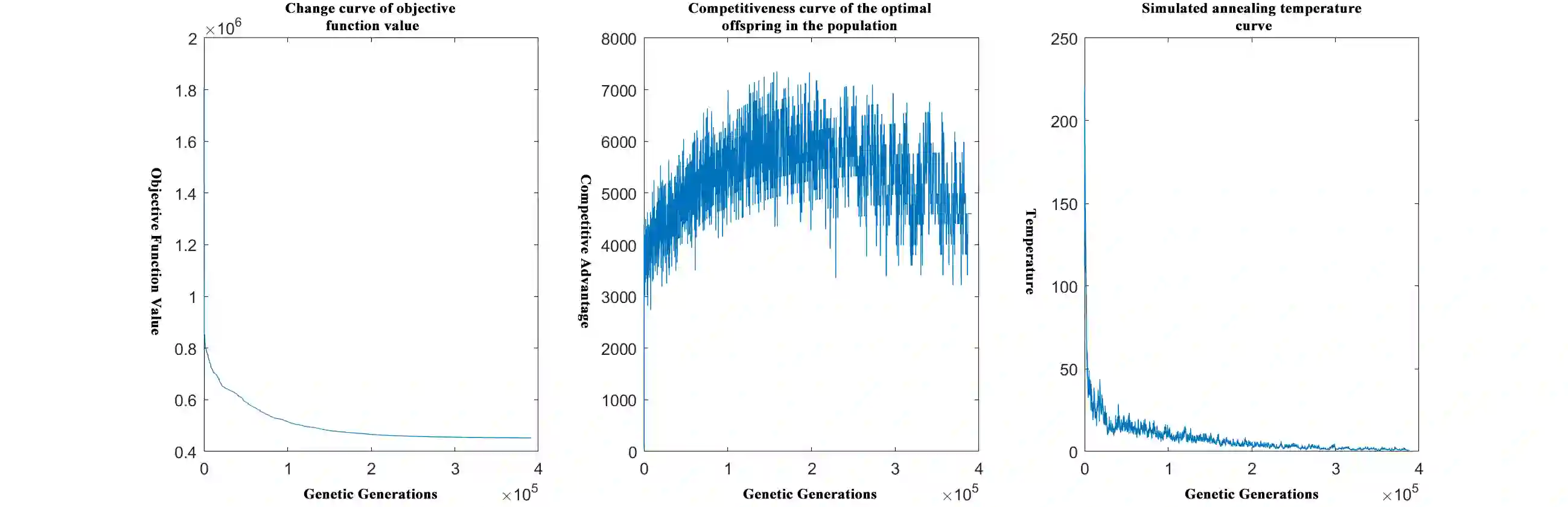
This study presents a comprehensive approach for optimizing the acquisition, utilization, and maintenance of ABLVR vascular robots in healthcare settings. Medical robotics, particularly in vascular treatments, necessitates precise resource allocation and optimization due to the complex nature of robot and operator maintenance. Traditional heuristic methods, though intuitive, often fail to achieve global optimization. To address these challenges, this research introduces a novel strategy, combining mathematical modeling, a hybrid genetic algorithm, and ARIMA time series forecasting. Considering the dynamic healthcare environment, our approach includes a robust resource allocation model for robotic vessels and operators. We incorporate the unique requirements of the adaptive learning process for operators and the maintenance needs of robotic components. The hybrid genetic algorithm, integrating simulated annealing and greedy approaches, efficiently solves the optimization problem. Additionally, ARIMA time series forecasting predicts the demand for vascular robots, further enhancing the adaptability of our strategy. Experimental results demonstrate the superiority of our approach in terms of optimization, transparency, and convergence speed from other state-of-the-art methods.
翻译:本研究提出了一种综合方法,用于优化医疗场景中ABLVR血管机器人的采购、使用与维护。医疗机器人,特别是血管治疗领域的机器人,因其机械结构与操作人员的维护复杂性,需要精确的资源分配与优化。传统启发式方法虽直观,但常难以实现全局优化。为解决这些挑战,本研究引入了一种新型策略,融合了数学建模、混合遗传算法与ARIMA时间序列预测。考虑到动态医疗环境,我们构建了包含机器人血管与操作人员的稳健资源分配模型,并纳入了操作人员自适应学习过程的独特需求以及机器人组件的维护要求。通过整合模拟退火与贪心方法的混合遗传算法,有效求解了优化问题。此外,ARIMA时间序列预测用于预估血管机器人需求量,进一步增强了策略的适应性。实验结果表明,与现有先进方法相比,本方法在优化性、透明性与收敛速度方面具有优势。




相关内容




 微信扫码咨询专知VIP会员