

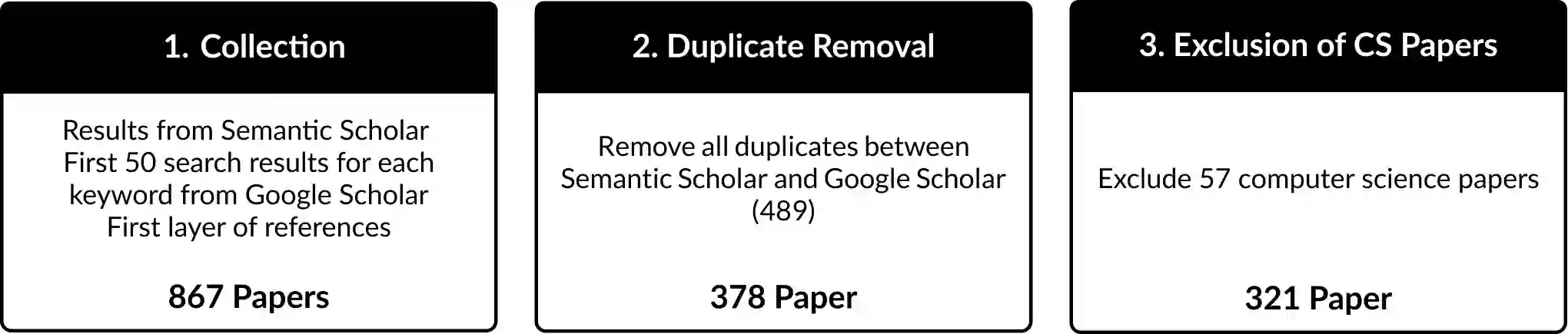
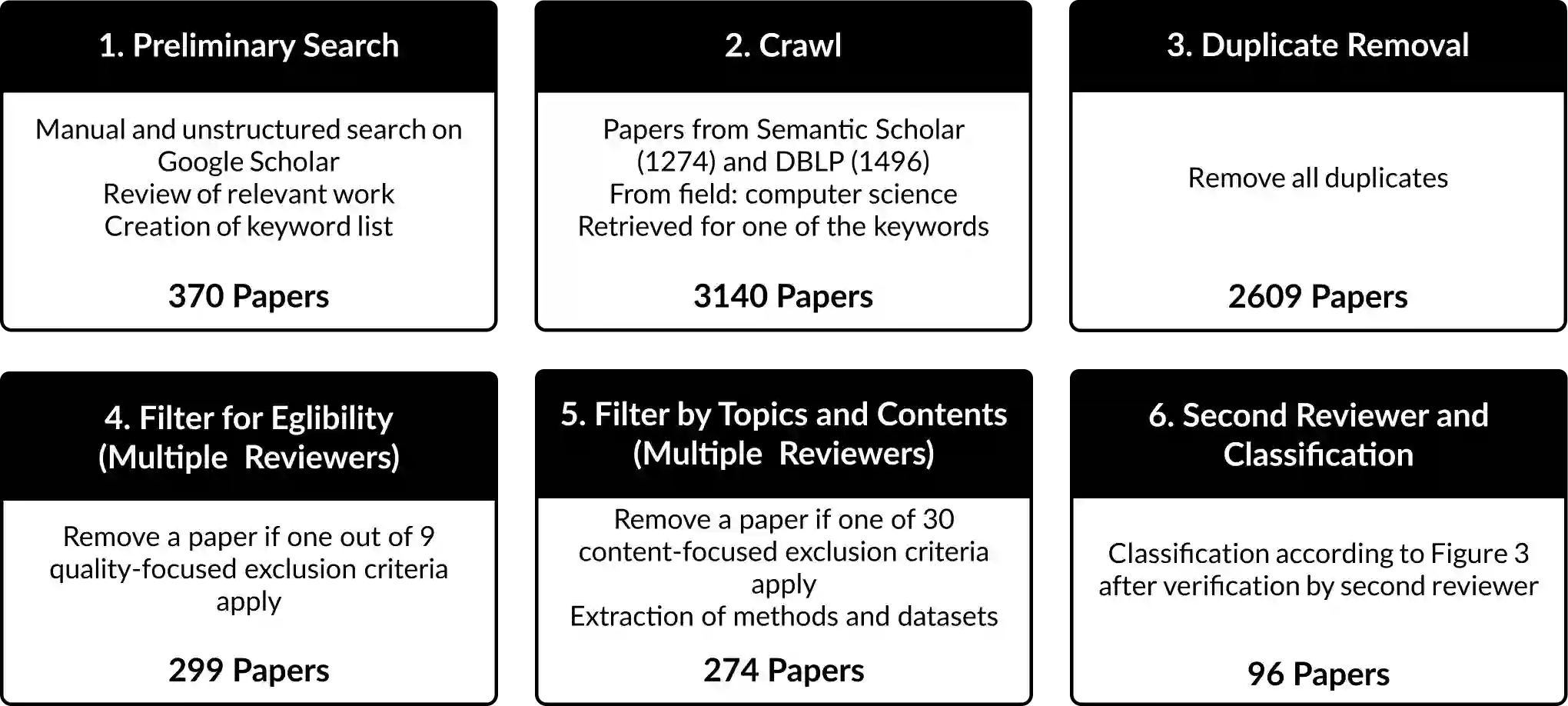
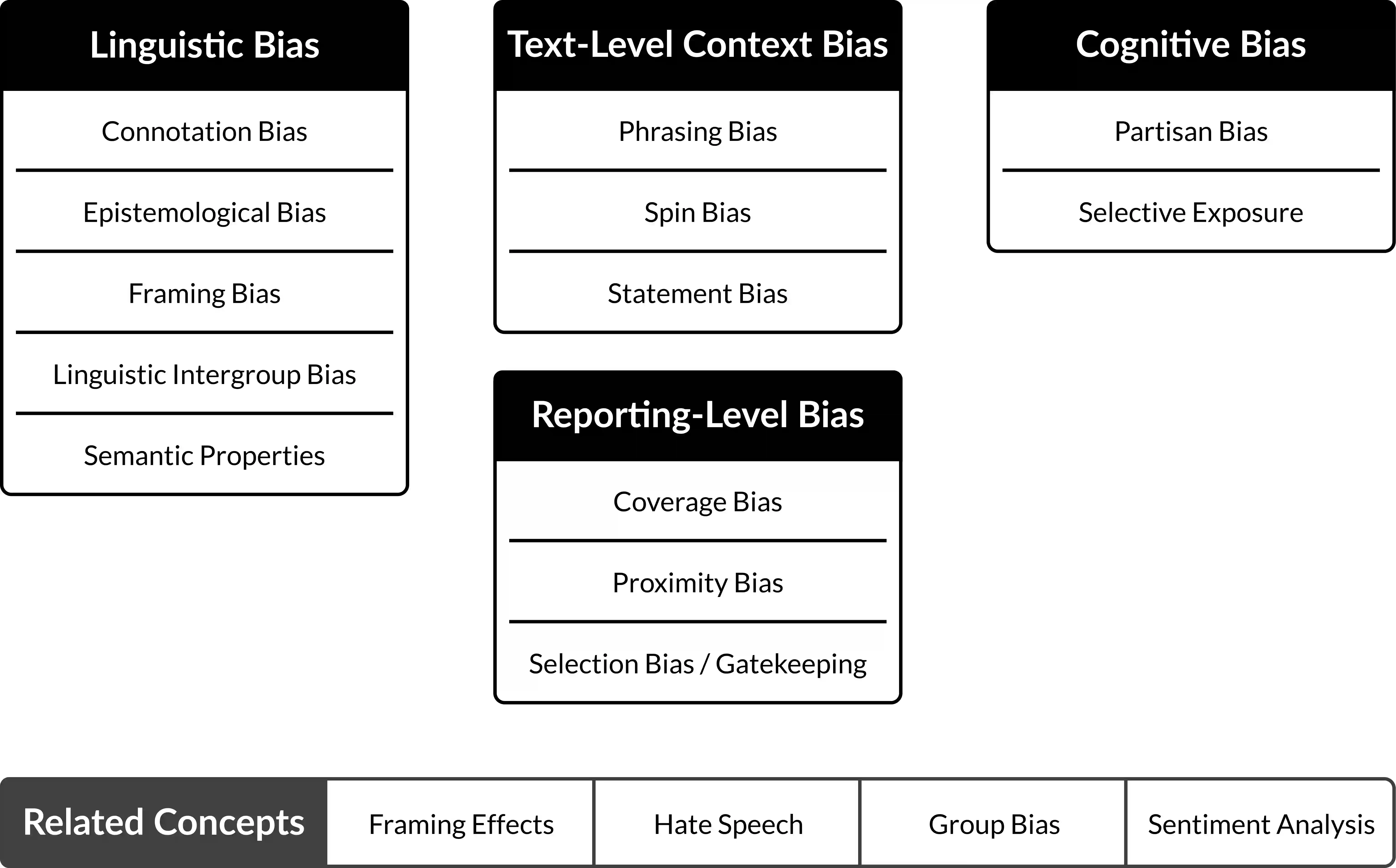
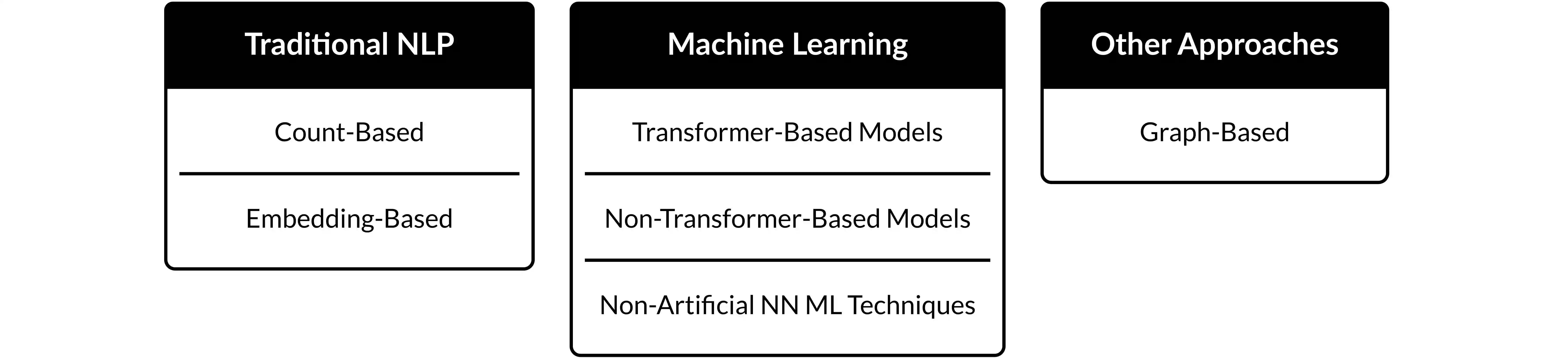
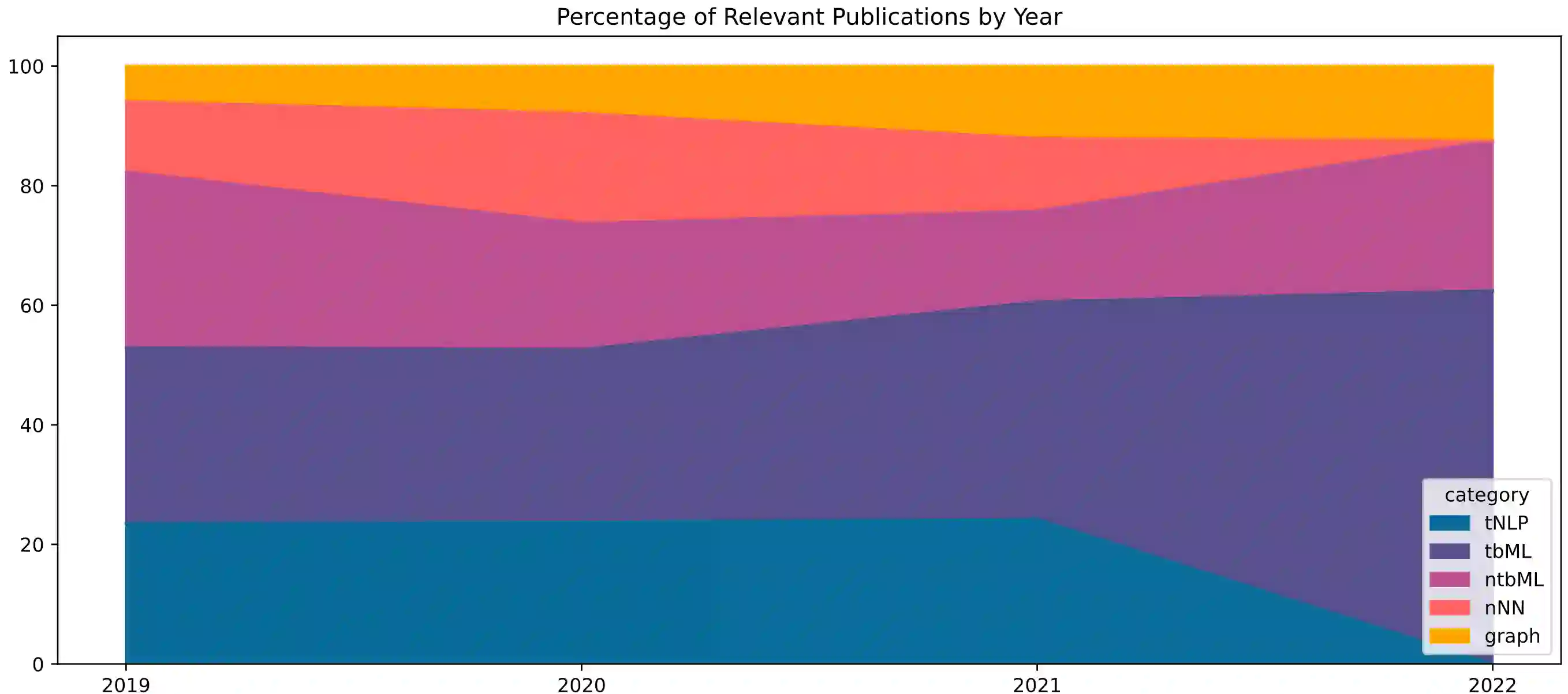
The way the media presents events can significantly affect public perception, which in turn can alter people's beliefs and views. Media bias describes a one-sided or polarizing perspective on a topic. This article summarizes the research on computational methods to detect media bias by systematically reviewing 3140 research papers published between 2019 and 2022. To structure our review and support a mutual understanding of bias across research domains, we introduce the Media Bias Taxonomy, which provides a coherent overview of the current state of research on media bias from different perspectives. We show that media bias detection is a highly active research field, in which transformer-based classification approaches have led to significant improvements in recent years. These improvements include higher classification accuracy and the ability to detect more fine-granular types of bias. However, we have identified a lack of interdisciplinarity in existing projects, and a need for more awareness of the various types of media bias to support methodologically thorough performance evaluations of media bias detection systems. Concluding from our analysis, we see the integration of recent machine learning advancements with reliable and diverse bias assessment strategies from other research areas as the most promising area for future research contributions in the field.
翻译:媒体呈现事件的方式会显著影响公众认知,进而改变人们的信念与观点。媒体偏见描述了对某一议题的片面或极化视角。本文通过系统性地审阅2019至2022年间发表的3140篇研究论文,总结了媒体偏见的计算检测方法研究。为结构性地开展综述并促进跨研究领域对偏见的共同理解,我们提出了媒体偏见分类体系,该体系从不同维度对媒体偏见的当前研究状态提供了连贯性概览。研究表明,媒体偏见检测是一个高度活跃的研究领域,其中基于Transformer的分类方法近年来取得了显著进展。这些进展包括更高的分类准确率,以及检测更细粒度偏见类型的能力。然而,我们发现现有项目缺乏跨学科性,且需要提升对各类媒体偏见的认知,以支持对媒体偏见检测系统进行方法严谨的性能评估。基于分析结论,我们认为将机器学习的最新进展与其他研究领域中可靠且多元的偏见评估策略相结合,是该领域未来研究最具前景的方向。




相关内容



 微信扫码咨询专知VIP会员