

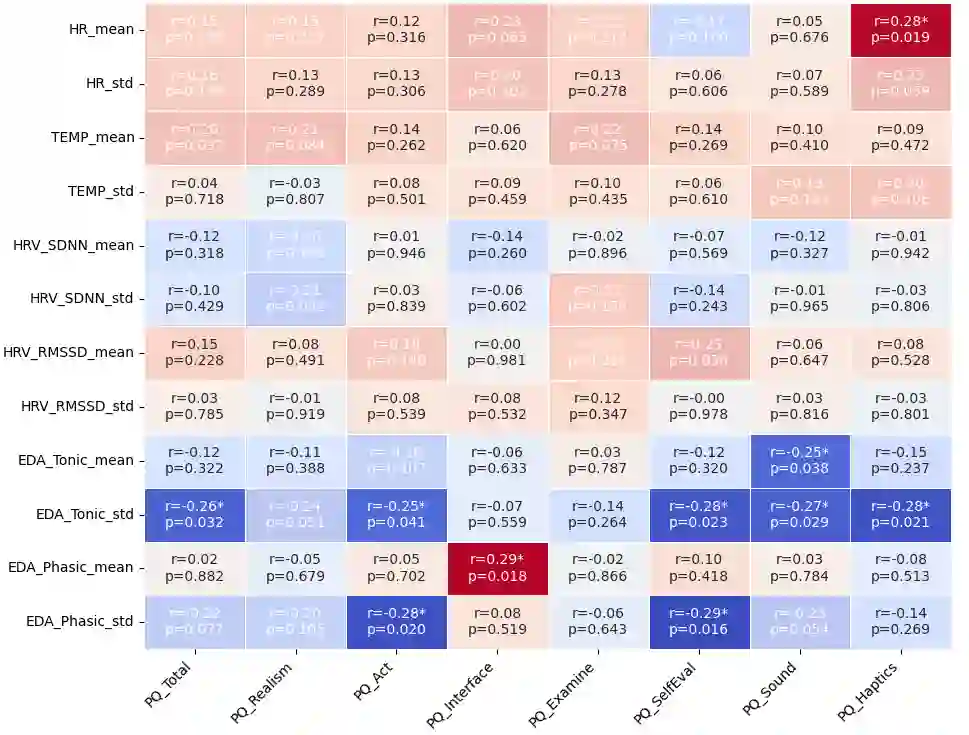
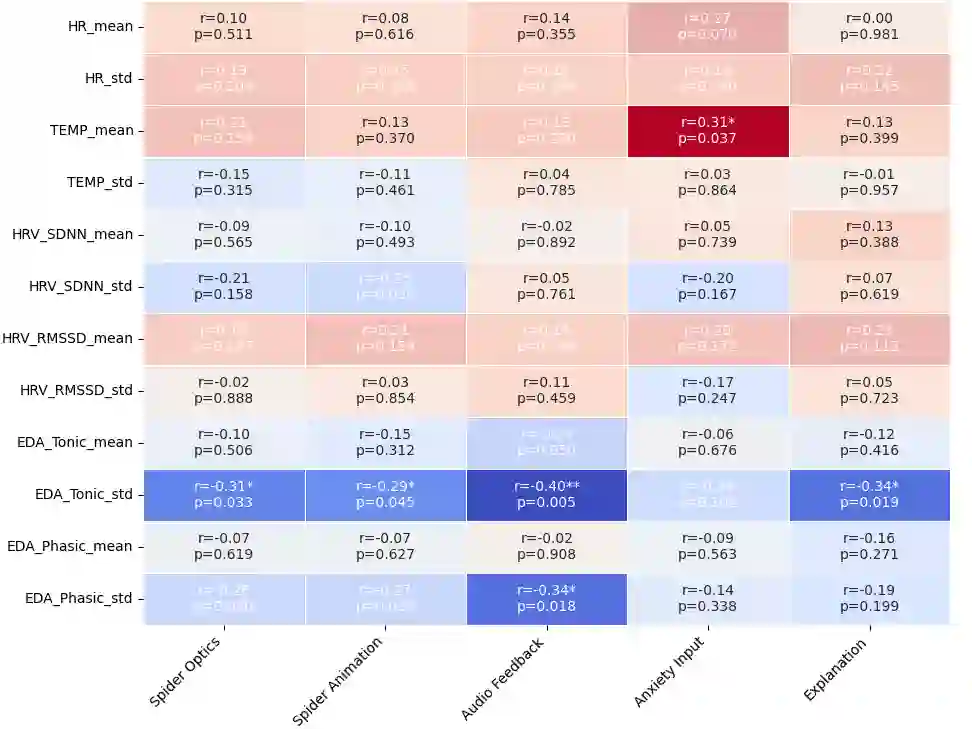
Behavioral approach tests are a common means of assessing specific phobias. In these tests, participants move towards an anxiety-inducing stimulus as close as they are willing to, with the final distance indicating the severity of the anxiety. In this work, we aim to evaluate a virtual reality implementation of the BAT. For this purpose, four different BATs were designed, consisting of two approach methods, both replicated in vivo and in virtuo. Evaluation of these BATs is done by using a standardised presence questionnaire, application-specific questions, as well as the physiological reactions of the participants. The study focuses on the fear of spiders and uses a real and virtual spider as an anxiety-inducing stimulus. Our results show that the developed VR BAT perform within established presence norms, while the different modalities influenced participants' subjective impressions. Furthermore, the standardized structure of the VR environment ensured a consistent experience regarding the anxiety-inducing stimulus. This differs from the observation in the real-world setting, where the behavior of the spider might differ between individuals and also between sessions. This highlights one of the key advantages of virtual reality: complete control over the stimulus and environment. Correlations between presence and physiological signals were found. Particularly, tonic electrodermal activity levels are more stable with increased presence. However, more research into this is required, as the effects of anxiety on the physiological signals make the correlations difficult to interpret. The evaluation has revealed, which design choices are particularly promising for increasing presence in VR applications, and some which should be avoided. Overall, these results indicates that our VR-based implementation is a promising tool for assessing avoidance behavior for individuals with spider phobia.
翻译:行为趋近测试是评估特定恐惧症的常用方法。在这类测试中,参与者需主动接近引发焦虑的刺激物,直至其能承受的极限距离,最终距离值用于衡量焦虑程度。本研究旨在评估基于虚拟现实的行为趋近测试实施方案。为此,我们设计了四种不同模态的行为趋近测试,包含两种趋近方式,每种方式均在实体环境与虚拟环境中进行复现。评估采用标准化存在感问卷、应用特定问题以及参与者的生理反应指标。研究聚焦蜘蛛恐惧症,以真实蜘蛛与虚拟蜘蛛作为焦虑诱发刺激。结果表明,所开发的虚拟现实行为趋近测试在存在感评价上符合既定标准,不同模态对参与者的主观感受存在显著影响。此外,虚拟现实环境的结构化特征确保了对焦虑诱导刺激体验的一致性——这与真实场景中蜘蛛行为因个体差异和试验批次不同而存在变异性形成鲜明对比,凸显了虚拟现实对刺激与环境实现完全控制的关键优势。研究还发现存在感与生理信号之间存在相关性,其中皮肤电导水平随着存在感增强而呈现更高稳定性。然而,焦虑对生理信号产生的干扰效应使相关性的解释趋复杂,需进一步研究验证。评估结果明确了虚拟现实应用中提升存在感的有效设计策略及应规避的设计缺陷。总体而言,本研究开发的基于虚拟现实的实施方案可作为评估蜘蛛恐惧症个体回避行为的有效工具。




相关内容



 微信扫码咨询专知VIP会员