

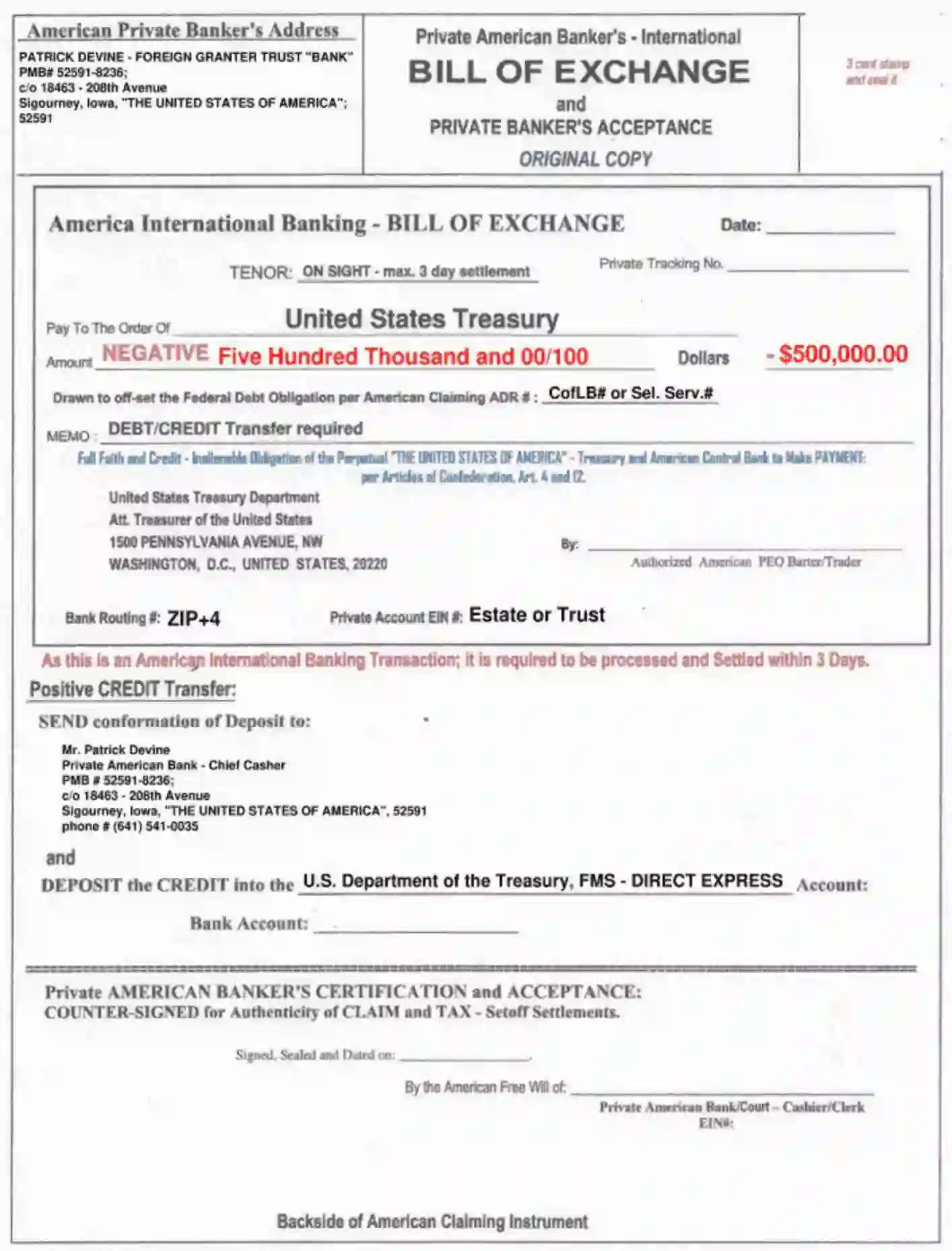
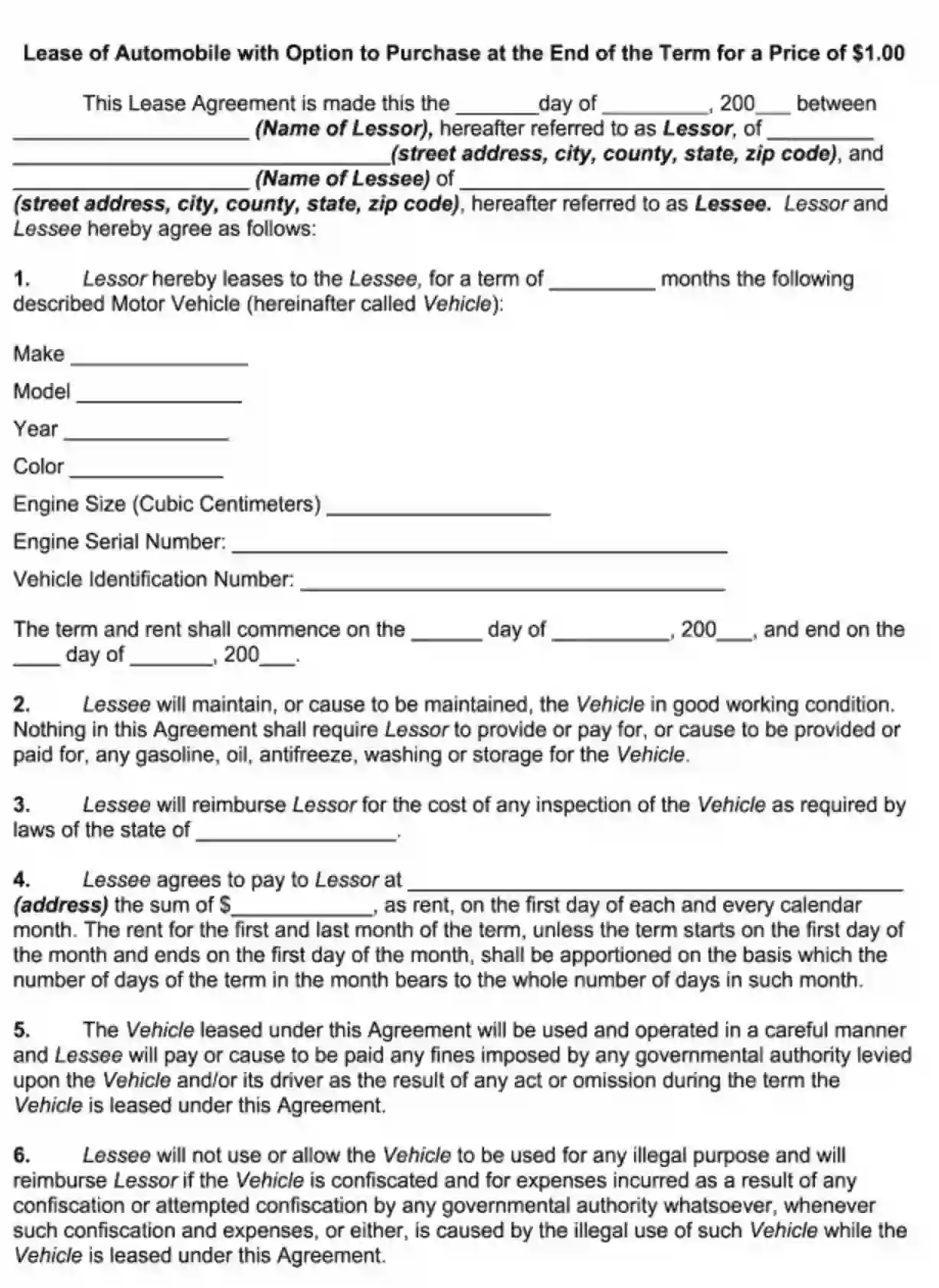
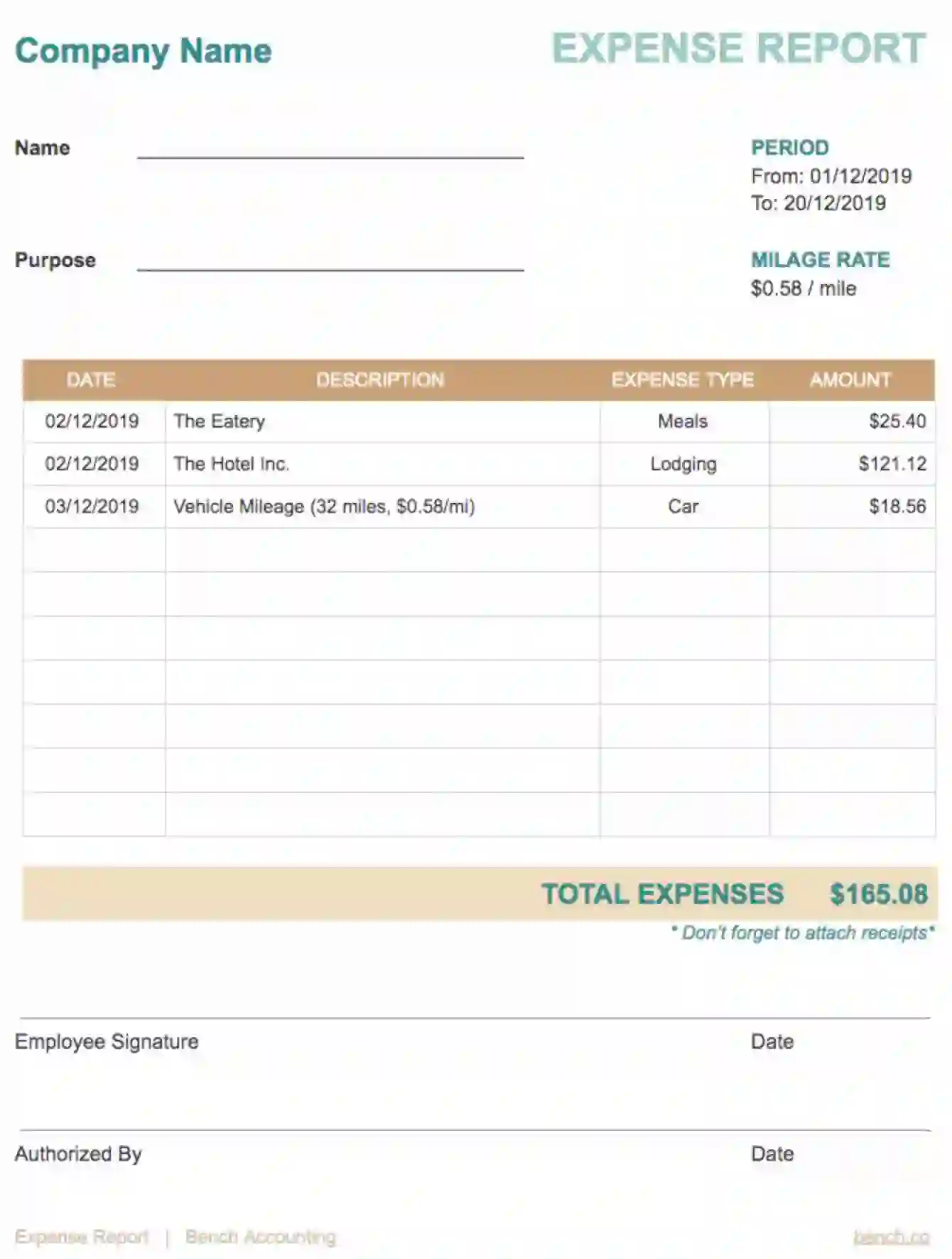
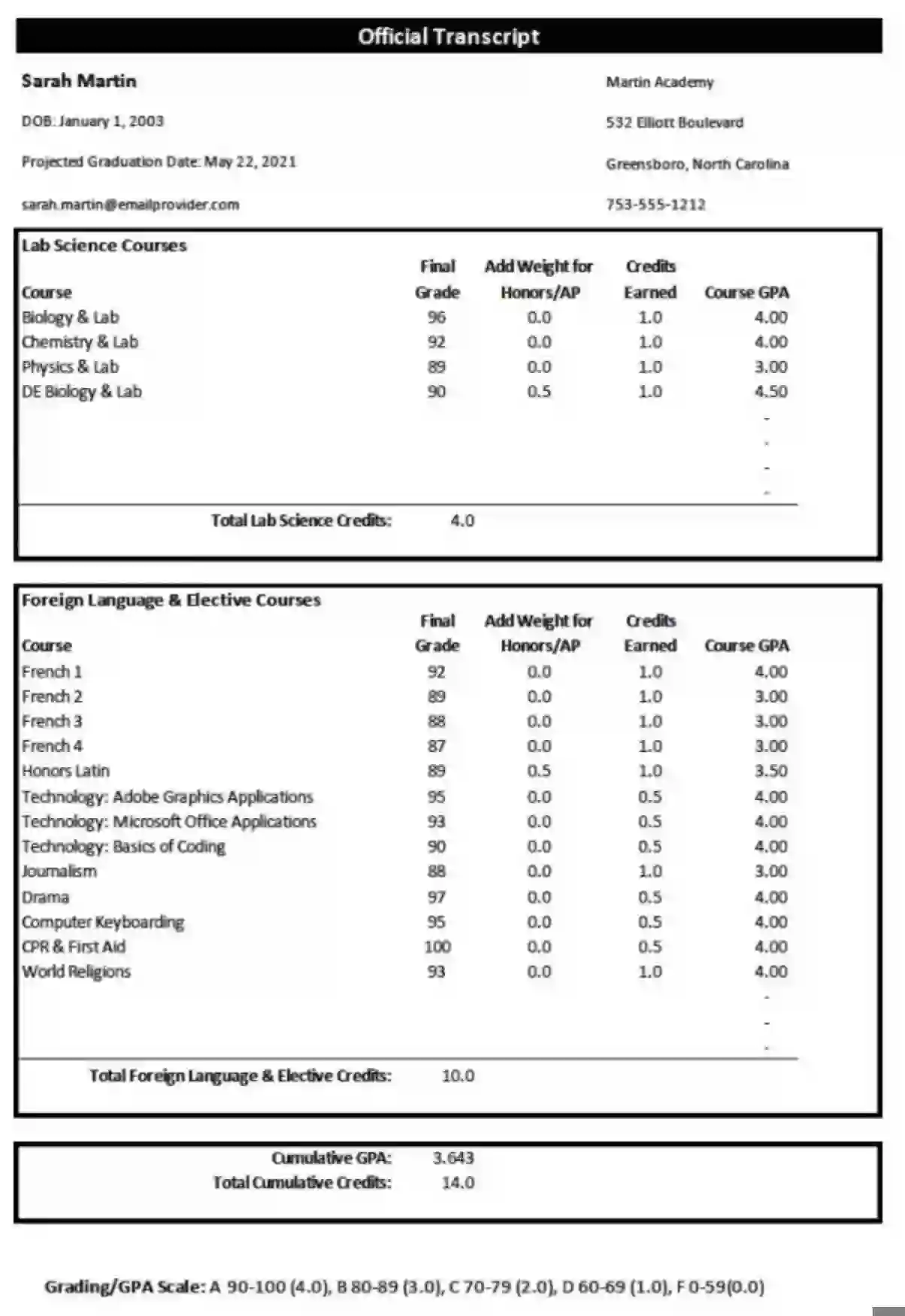
Document understanding tasks, in particular, Visually-rich Document Entity Retrieval (VDER), have gained significant attention in recent years thanks to their broad applications in enterprise AI. However, publicly available data have been scarce for these tasks due to strict privacy constraints and high annotation costs. To make things worse, the non-overlapping entity spaces from different datasets hinder the knowledge transfer between document types. In this paper, we propose a method to collect massive-scale and weakly labeled data from the web to benefit the training of VDER models. The collected dataset, named DocumentNet, does not depend on specific document types or entity sets, making it universally applicable to all VDER tasks. The current DocumentNet consists of 30M documents spanning nearly 400 document types organized in a four-level ontology. Experiments on a set of broadly adopted VDER tasks show significant improvements when DocumentNet is incorporated into the pre-training for both classic and few-shot learning settings. With the recent emergence of large language models (LLMs), DocumentNet provides a large data source to extend their multi-modal capabilities for VDER.
翻译:文档理解任务,特别是富视觉文档实体检索(VDER),近年来因其在企业AI中的广泛应用而受到显著关注。然而,由于严格的隐私约束和高昂的标注成本,这些任务的公开可用数据一直稀缺。更糟糕的是,不同数据集中不重叠的实体空间阻碍了文档类型间的知识迁移。本文提出了一种从网络收集大规模弱标注数据的方法,以促进VDER模型的训练。收集的数据集名为DocumentNet,不依赖于特定文档类型或实体集合,因此适用于所有VDER任务。当前DocumentNet包含3000万份文档,涵盖近400种文档类型,并按四级本体组织。在一系列广泛采用的VDER任务上的实验表明,将DocumentNet纳入经典学习与少样本学习设置的预训练中均可带来显著提升。随着大语言模型(LLM)的兴起,DocumentNet为扩展其多模态能力的VDER应用提供了大规模数据源。




相关内容




 微信扫码咨询专知VIP会员