

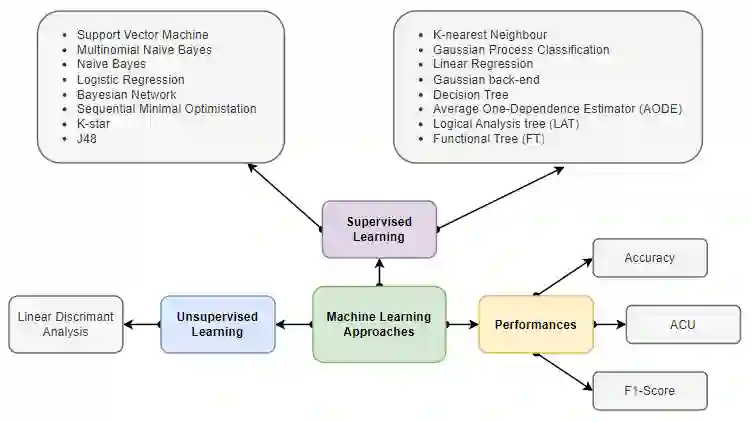
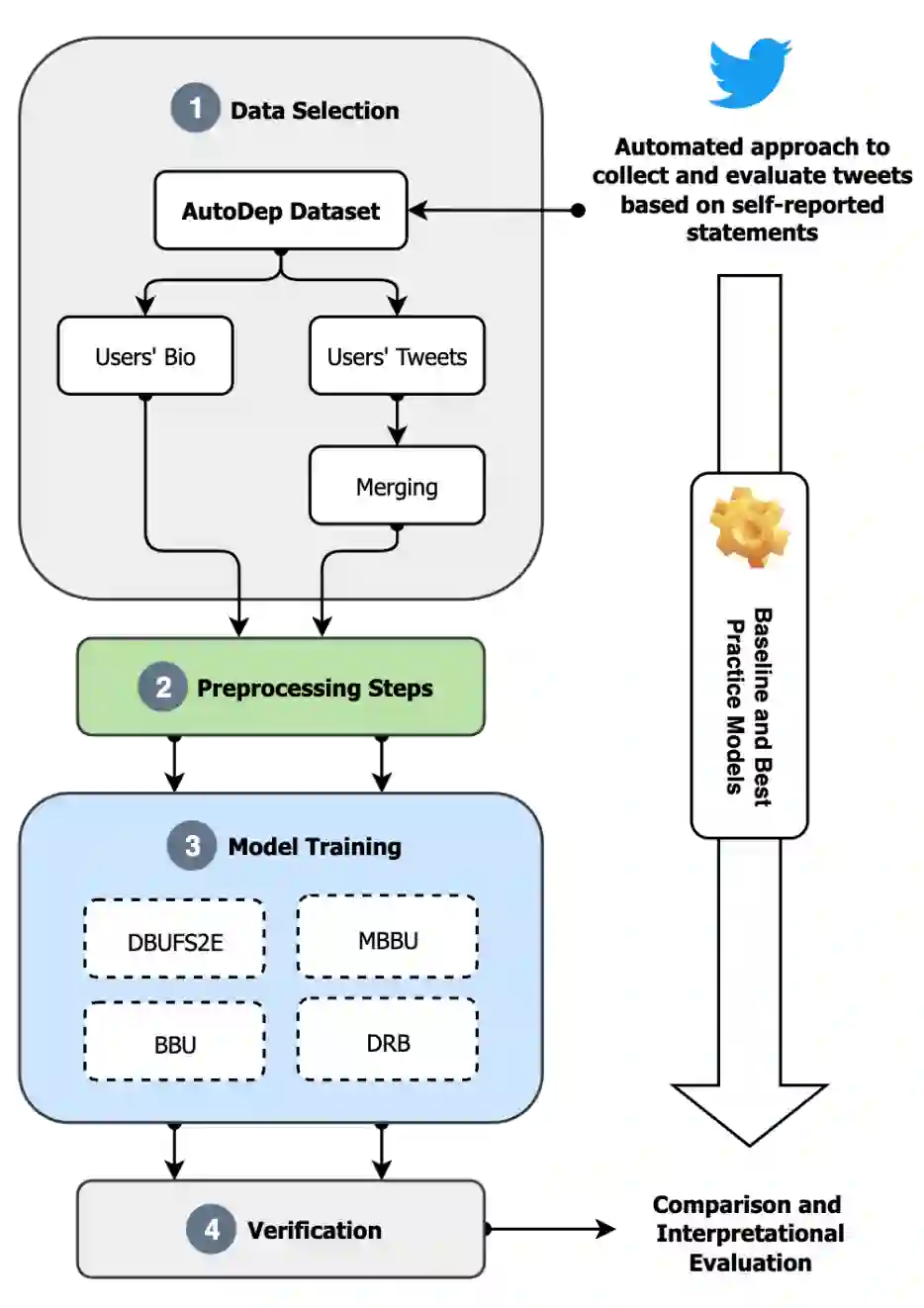
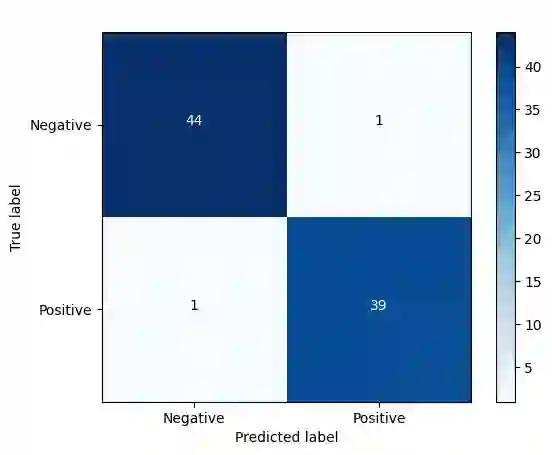
Early diagnosis of mental disorders and intervention can facilitate the prevention of severe injuries and the improvement of treatment results. Using social media and pre-trained language models, this study explores how user-generated data can be used to predict mental disorder symptoms. Our study compares four different BERT models of Hugging Face with standard machine learning techniques used in automatic depression diagnosis in recent literature. The results show that new models outperform the previous approach with an accuracy rate of up to 97%. Analyzing the results while complementing past findings, we find that even tiny amounts of data (like users' bio descriptions) have the potential to predict mental disorders. We conclude that social media data is an excellent source of mental health screening, and pre-trained models can effectively automate this critical task.
翻译:精神障碍的早期诊断与干预有助于预防严重伤害并改善治疗效果。本研究通过社交媒体与预训练语言模型,探索如何利用用户生成数据预测精神障碍症状。我们比较了Hugging Face中四种不同的BERT模型与近年文献中用于自动抑郁诊断的标准机器学习技术。结果表明,新型模型以高达97%的准确率超越了以往方法。在结合已有发现进行结果分析时,我们发现即便极少量数据(如用户个人简介描述)也具有预测精神障碍的潜力。我们得出结论:社交媒体数据是心理健康筛查的优质来源,而预训练模型能够有效实现这一关键任务的自动化。




相关内容





 微信扫码咨询专知VIP会员