

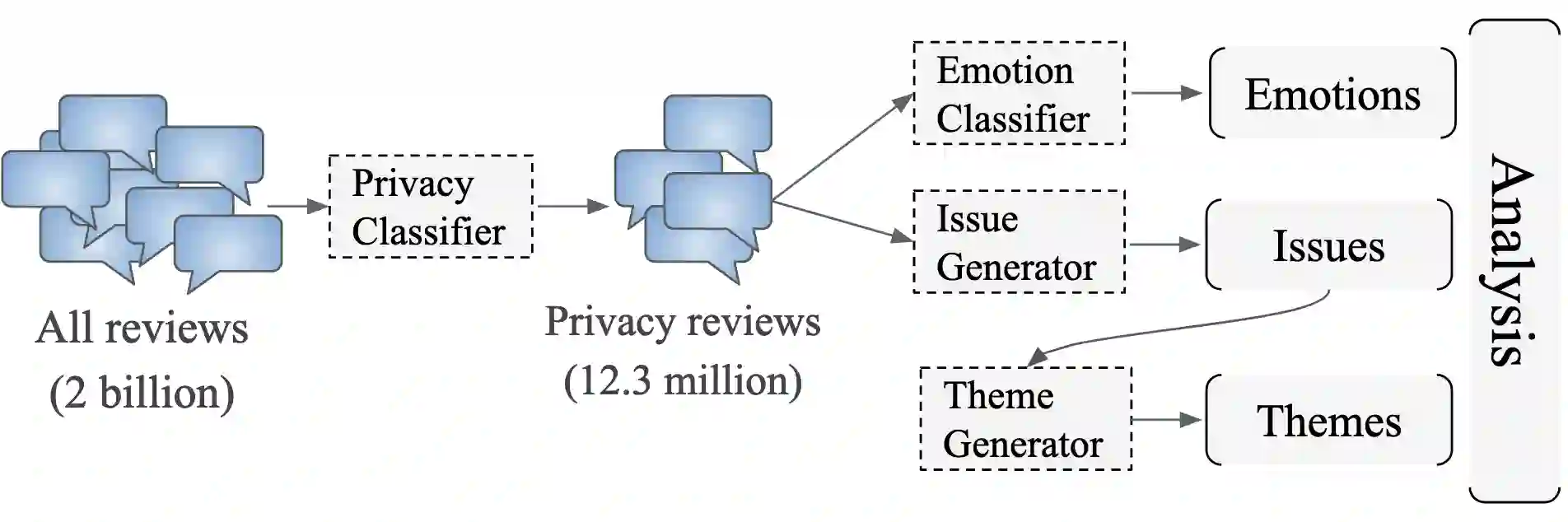
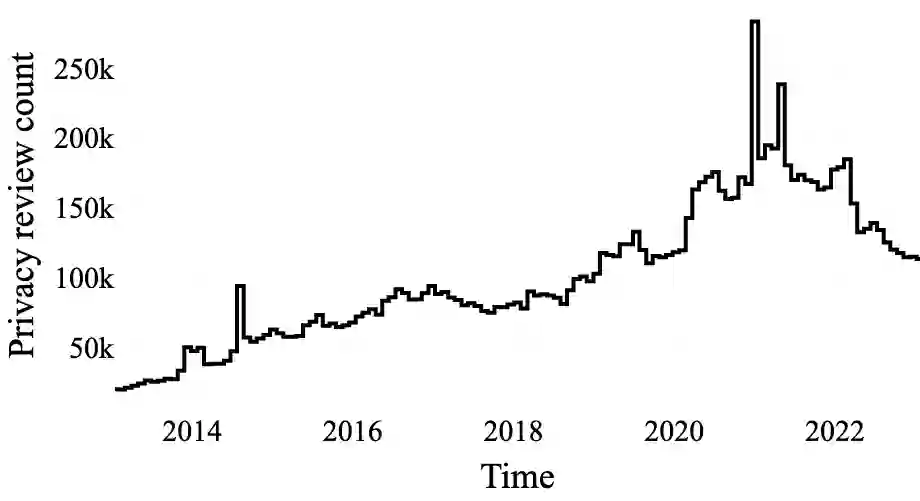
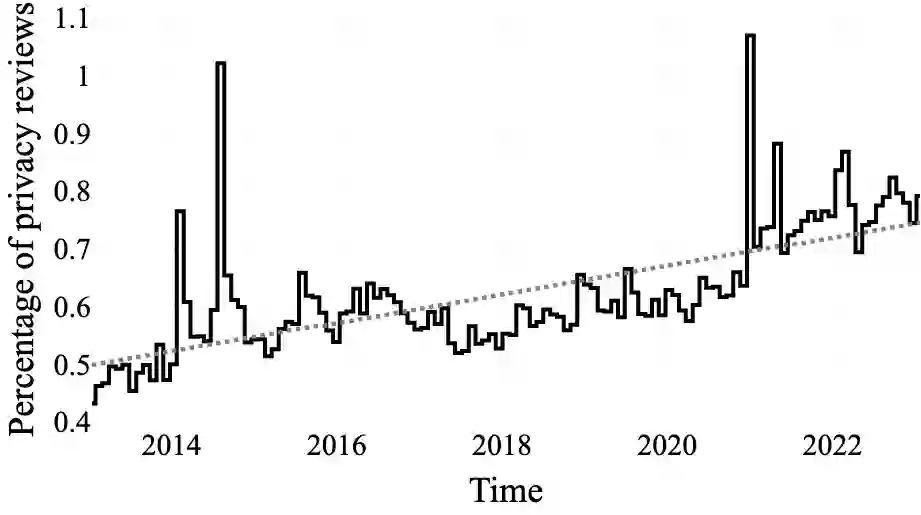
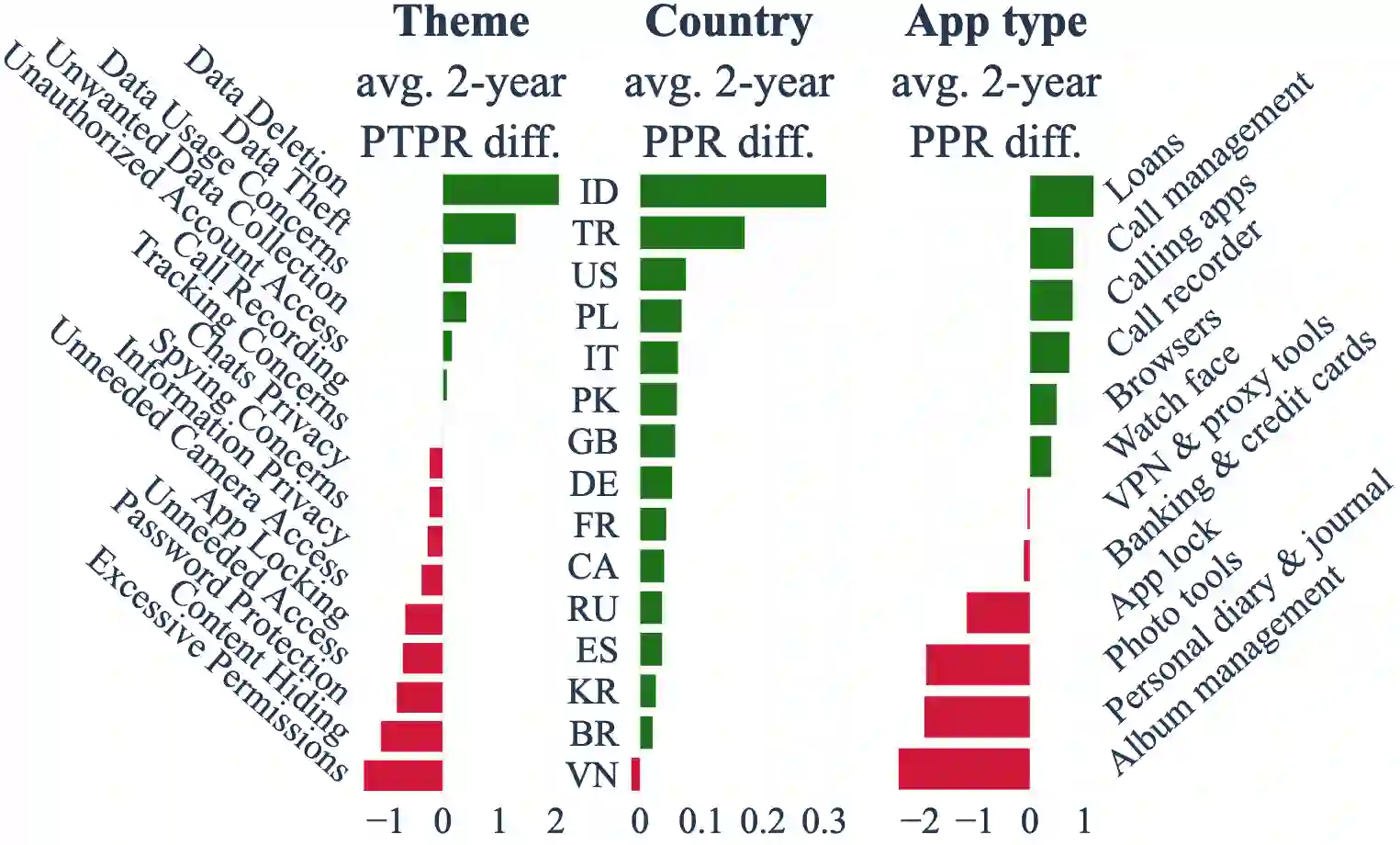
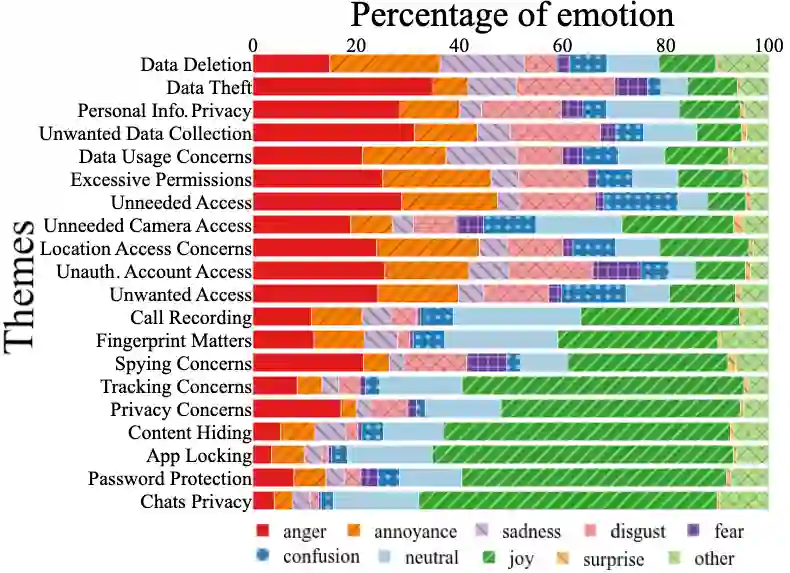
We present an analysis of 12 million instances of privacy-relevant reviews publicly visible on the Google Play Store that span a 10 year period. By leveraging state of the art NLP techniques, we examine what users have been writing about privacy along multiple dimensions: time, countries, app types, diverse privacy topics, and even across a spectrum of emotions. We find consistent growth of privacy-relevant reviews, and explore topics that are trending (such as Data Deletion and Data Theft), as well as those on the decline (such as privacy-relevant reviews on sensitive permissions). We find that although privacy reviews come from more than 200 countries, 33 countries provide 90% of privacy reviews. We conduct a comparison across countries by examining the distribution of privacy topics a country's users write about, and find that geographic proximity is not a reliable indicator that nearby countries have similar privacy perspectives. We uncover some countries with unique patterns and explore those herein. Surprisingly, we uncover that it is not uncommon for reviews that discuss privacy to be positive (32%); many users express pleasure about privacy features within apps or privacy-focused apps. We also uncover some unexpected behaviors, such as the use of reviews to deliver privacy disclaimers to developers. Finally, we demonstrate the value of analyzing app reviews with our approach as a complement to existing methods for understanding users' perspectives about privacy
翻译:我们分析了Google Play商店中公开可见的、跨越十年期的1200万条隐私相关评论。通过运用最先进的自然语言处理技术,我们从多个维度审视了用户关于隐私的评论内容:时间、国家、应用类型、多样性隐私话题乃至情感光谱。研究发现隐私相关评论呈现持续增长态势,并探讨了趋势上升的话题(如数据删除与数据盗窃)以及下降趋势的话题(如涉及敏感权限的隐私评论)。尽管隐私评论来自200多个国家,但33个国家贡献了其中90%的评论。通过比较不同国家用户所写隐私话题的分布,我们发现地理邻近性并不能可靠预示邻国具有相似的隐私观念,并揭示了部分具有独特模式的国家进行深入分析。令人惊讶的是,涉及隐私的评论中有32%是正面评价,许多用户对应用内隐私功能或隐私专注型应用表达了赞赏。我们还发现了一些非预期行为,例如用户通过评论向开发者传递隐私声明。最后,我们证明了以该方法分析应用评论作为现有用户隐私观点理解方法补充手段的价值。




相关内容


 微信扫码咨询专知VIP会员