

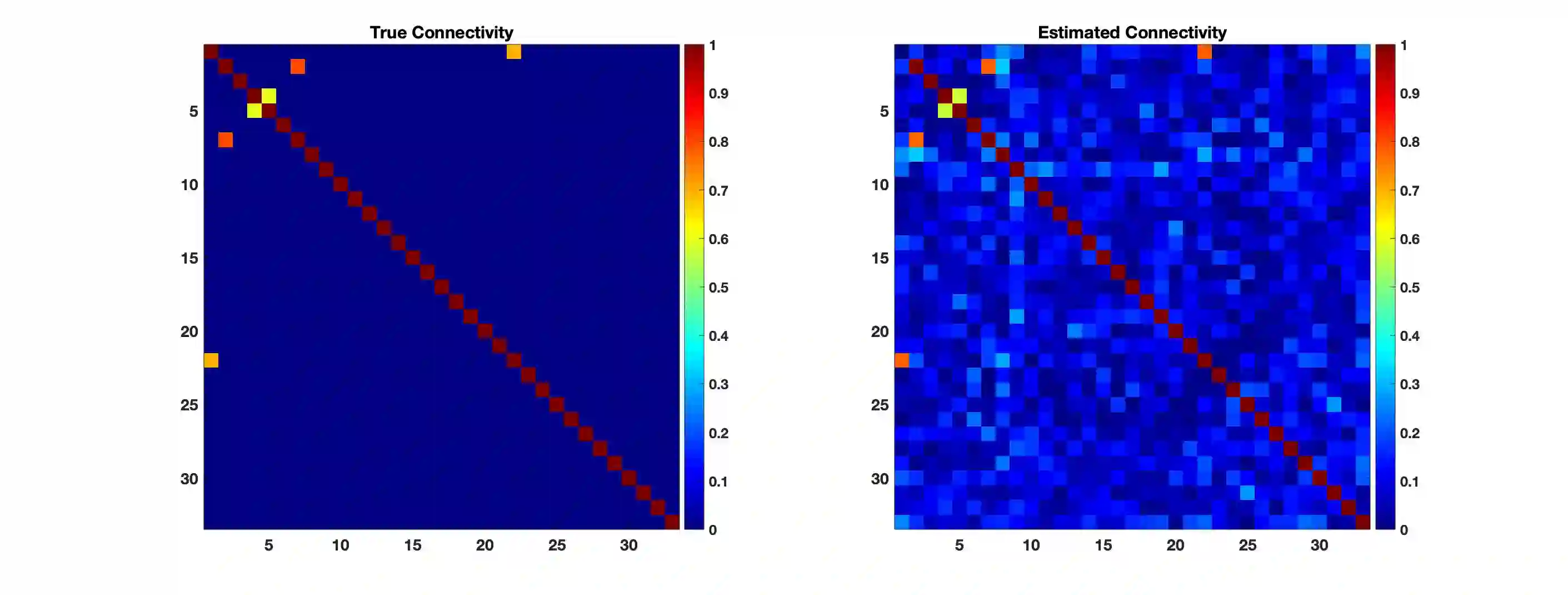
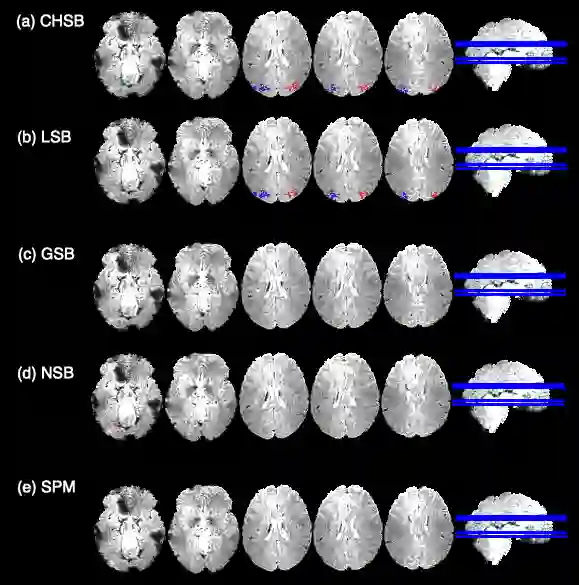
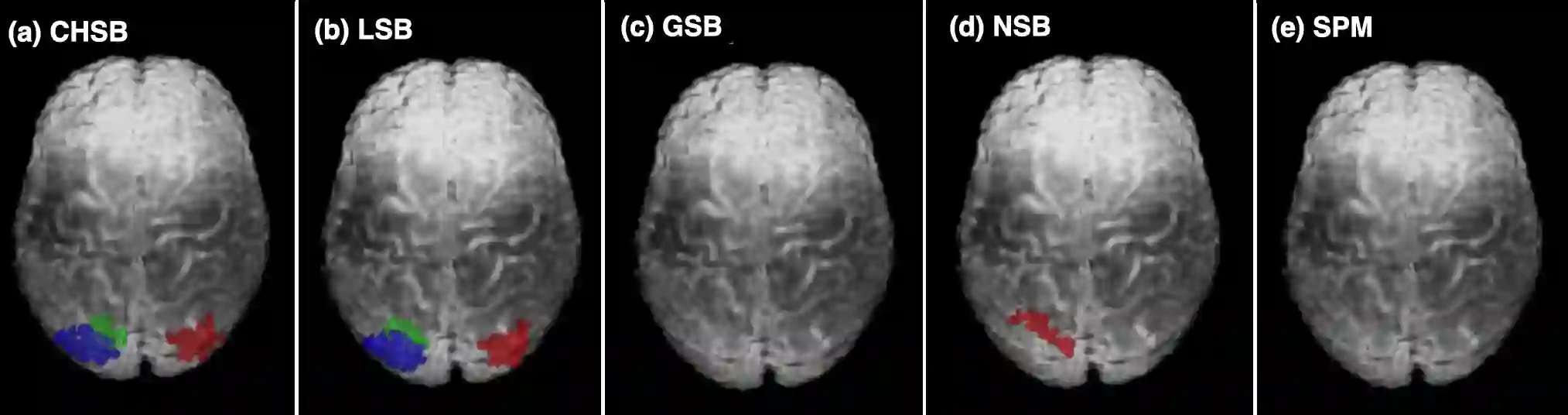
In this paper, we introduce a new Bayesian approach for analyzing task fMRI data that simultaneously detects activation signatures and background connectivity. Our modeling involves a new hybrid tensor spatial-temporal basis strategy that enables scalable computing yet captures nearby and distant intervoxel correlation and long-memory temporal correlation. The spatial basis involves a composite hybrid transform with two levels: the first accounts for within-ROI correlation, and second between-ROI distant correlation. We demonstrate in simulations how our basis space regression modeling strategy increases sensitivity for identifying activation signatures, partly driven by the induced background connectivity that itself can be summarized to reveal biological insights. This strategy leads to computationally scalable fully Bayesian inference at the voxel or ROI level that adjusts for multiple testing. We apply this model to Human Connectome Project data to reveal insights into brain activation patterns and background connectivity related to working memory tasks.
翻译:本文提出了一种新的贝叶斯方法,用于分析任务态fMRI数据,可同时检测激活特征与背景连接。我们的建模采用了一种新型混合张量时空基策略,在实现可扩展计算的同时,还能捕获邻近及远距离的体素间相关性以及长记忆时间相关性。该空间基包含两层复合混合变换:第一层处理感兴趣区域(ROI)内的相关性,第二层处理ROI间的远距离相关性。仿真实验表明,我们的基空间回归建模策略能提高激活特征识别的灵敏度,这在一定程度上得益于所引入的背景连接——该连接本身可经汇总揭示生物学洞见。该策略可实现体素级或ROI级的多重检验校正全贝叶斯推断,且计算具有可扩展性。我们将该模型应用于人类连接组计划数据,以揭示与工作记忆任务相关的脑激活模式及背景连接。




相关内容



 微信扫码咨询专知VIP会员