

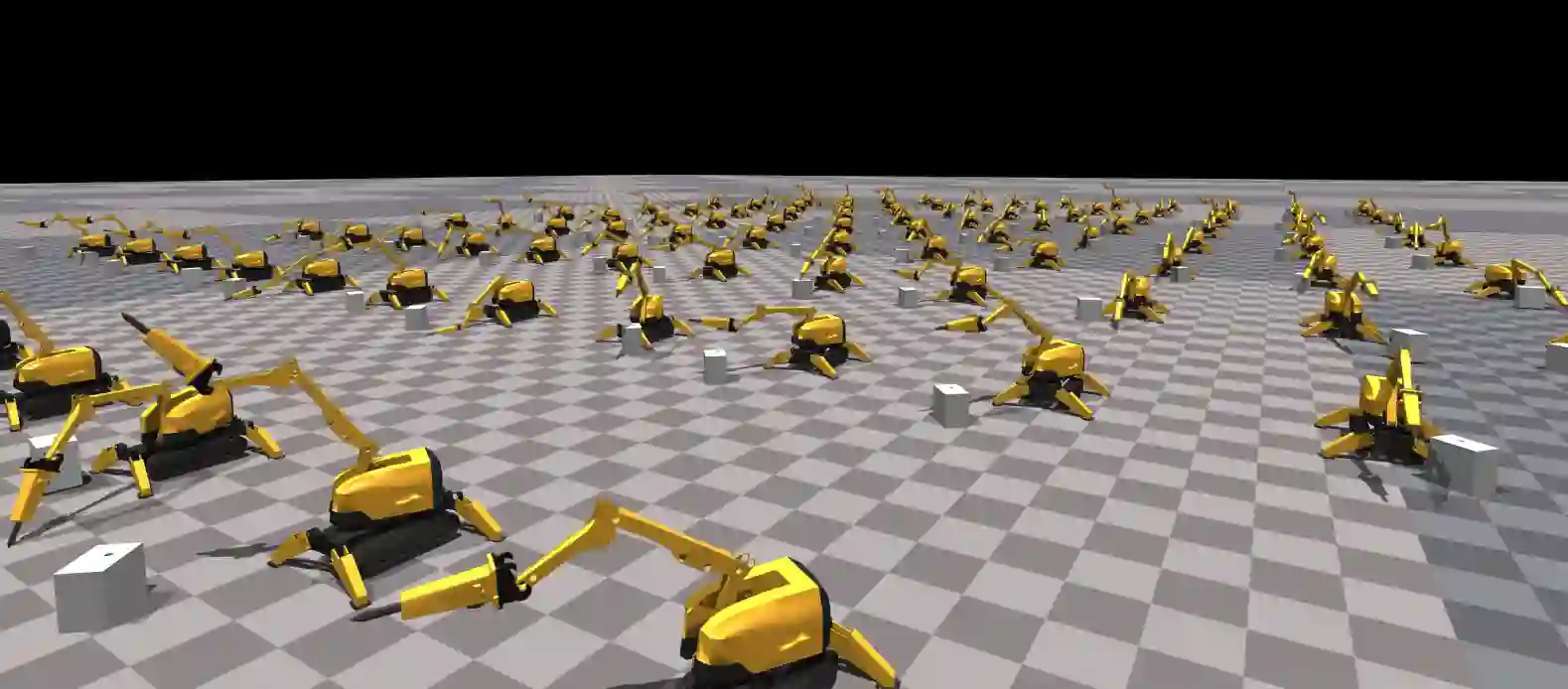
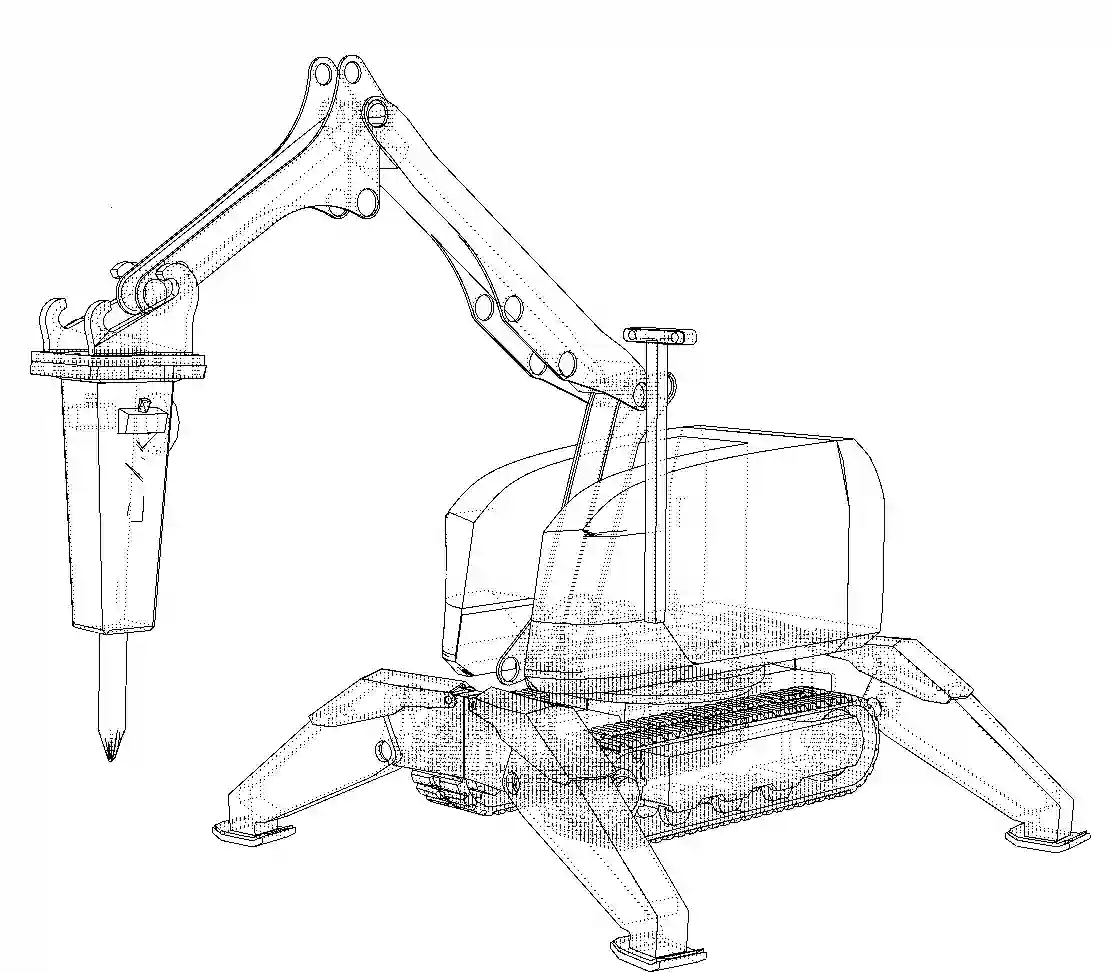
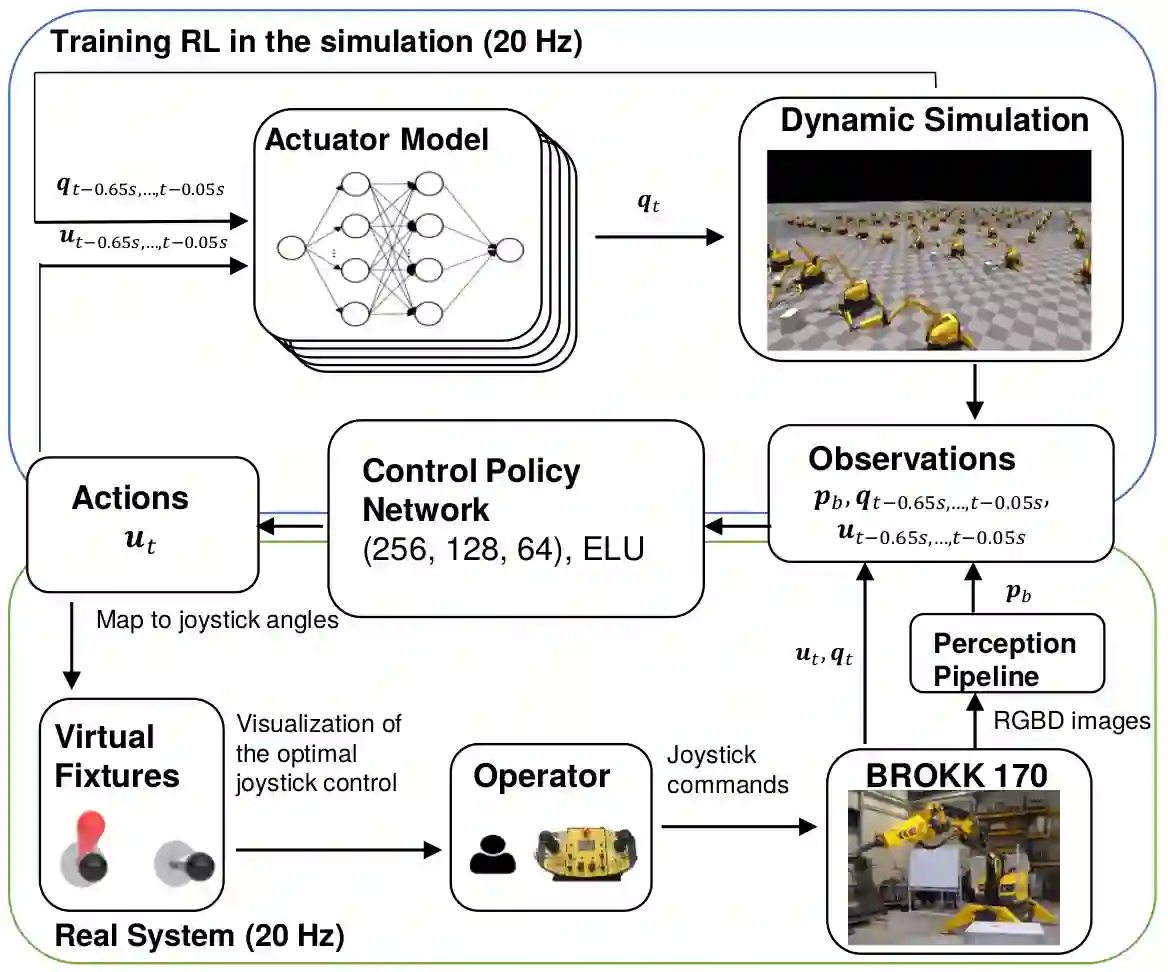
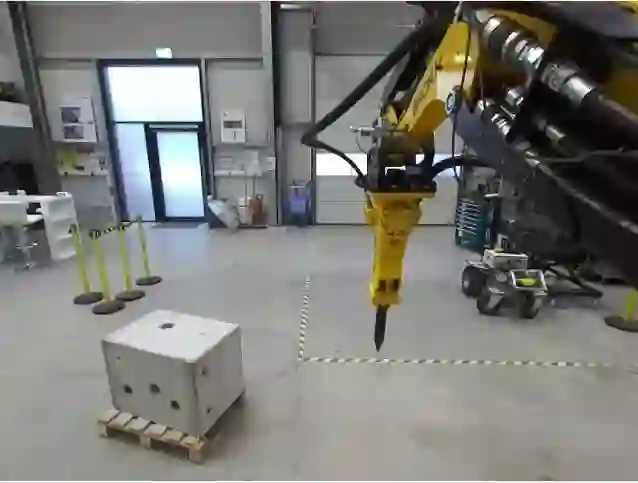
The utilization of teleoperation is a crucial aspect of the construction industry, as it enables operators to control machines safely from a distance. However, remote operation of these machines at a joint level using individual joysticks necessitates extensive training for operators to achieve proficiency due to their multiple degrees of freedom. Additionally, verifying the machine resulting motion is only possible after execution, making optimal control challenging. In addressing this issue, this study proposes a reinforcement learning-based approach to optimize task performance. The control policy acquired through learning is used to provide instructions on efficiently controlling and coordinating multiple joints. To evaluate the effectiveness of the proposed framework, a user study is conducted with a Brokk 170 construction machine by assessing its performance in a typical construction task involving inserting a chisel into a borehole. The effectiveness of the proposed framework is evaluated by comparing the performance of participants in the presence and absence of virtual fixtures. This study results demonstrate the proposed framework potential in enhancing the teleoperation process in the construction industry.
翻译:遥操作是建筑行业的关键技术之一,它能使操作员安全地远程控制机械。然而,由于工程机械具有多自由度,操作员需要使用单个操纵杆在关节级别进行远程操作,这要求操作员接受大量培训才能熟练掌握。此外,只有在执行后才能验证机械的最终运动,这使得最优控制变得极具挑战性。针对这一问题,本研究提出了一种基于强化学习的方法来优化任务执行性能。通过学习获得的控制策略用于提供高效控制和协调多个关节的指令。为评估所提框架的有效性,以Brokk 170型工程机械为实验对象,通过评估其在典型建筑任务(将凿子插入钻孔)中的执行性能开展用户研究。通过比较受试者在有无虚拟夹具条件下的任务表现,评估了该框架的有效性。研究结果表明,该框架具有提升建筑行业遥操作过程的潜力。




相关内容




 微信扫码咨询专知VIP会员