

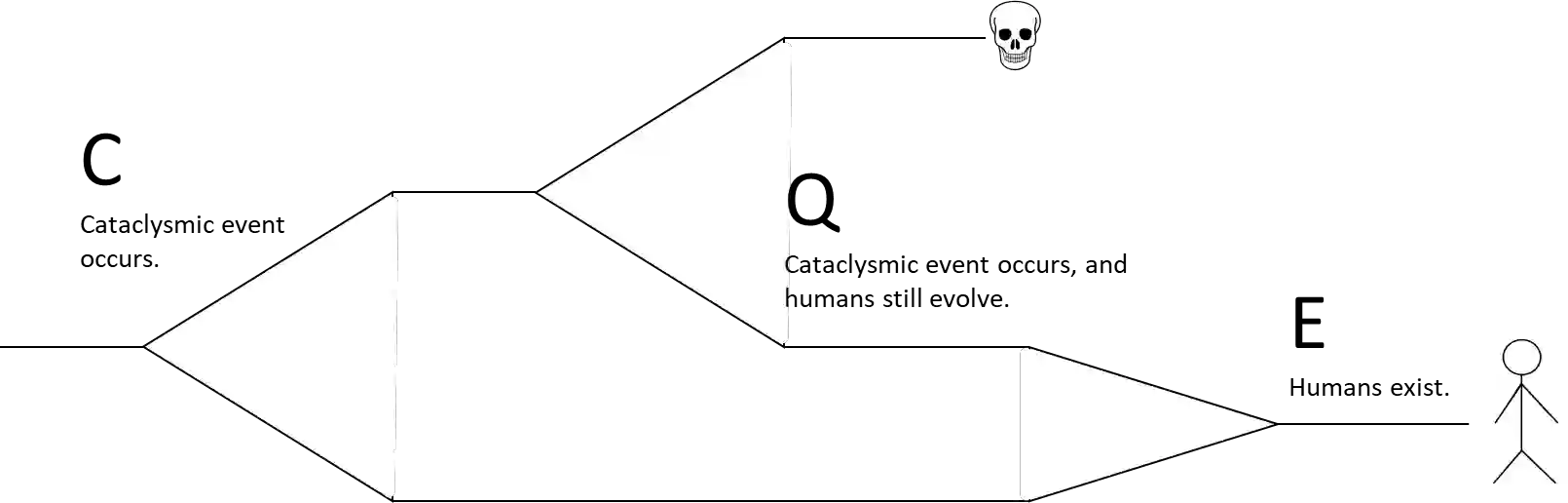
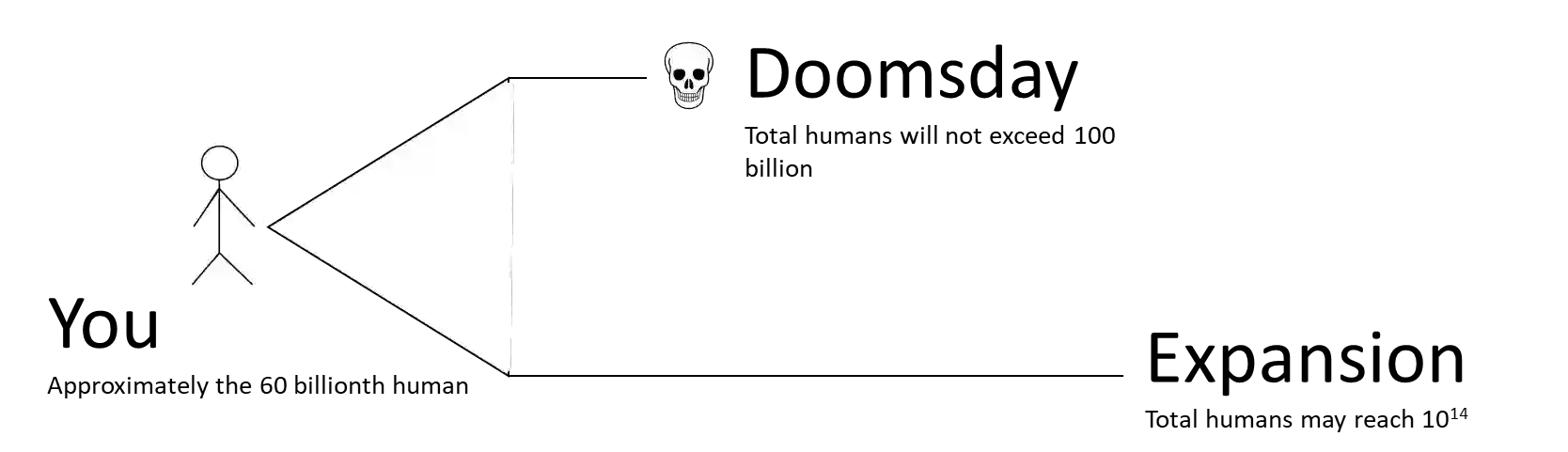
Where is everybody? This phrase distills the foreboding of what has come to be known as the Fermi Paradox - the disquieting idea that, if extraterrestrial life is probable in the Universe, then why have we not encountered it? This conundrum has puzzled scholars for decades, and many hypotheses have been proposed suggesting both naturalistic and sociological explanations. One intriguing hypothesis is known as the Great Filter, which suggests that some event required for the emergence of intelligent life is extremely unlikely, hence the cosmic silence. A logically equivalent version of this hypothesis - and one that should give us pause - suggests that some catastrophic event is likely to occur that prevents life's expansion throughout the cosmos. This could be a naturally occurring event, or more disconcertingly, something that intelligent beings do to themselves that leads to their own extinction. From an intelligence perspective, framing global catastrophic risk (particularly risks of anthropogenic origin) within the context of the Great Filter can provide insight into the long-term futures of technologies that we don't fully understand, like artificial intelligence. For the intelligence professional concerned with global catastrophic risk, this has significant implications for how these risks ought to be prioritized.
翻译:大家都在哪儿?这句话凝练了后来被称为费米悖论的不祥预感——一个令人不安的观点:如果外星生命在宇宙中很可能存在,那么为什么我们从未遇见它?这一难题困扰了学者数十年,并提出了许多假说,既有自然主义解释,也有社会学解释。其中一个耐人寻味的假说是“大过滤器”,它认为,智能生命出现所需的某个事件极其不可能发生,因而导致了宇宙的沉寂。与该假说逻辑等价的一个版本——它也应让我们三思——认为,很可能存在某个灾难性事件,阻止了生命在宇宙中的扩张。这可能是一个自然发生的事件,或者更令人不安的是,智能生物对自己做了某事,导致其自身灭绝。从情报视角来看,将全球灾难性风险(尤其是人为风险)置于大过滤器的框架下,可以为那些我们尚未完全理解的技术(如人工智能)的长期未来提供洞见。对于关注全球灾难性风险的情报专业人士而言,这对如何优先处理这些风险具有重大意义。




相关内容



 微信扫码咨询专知VIP会员