

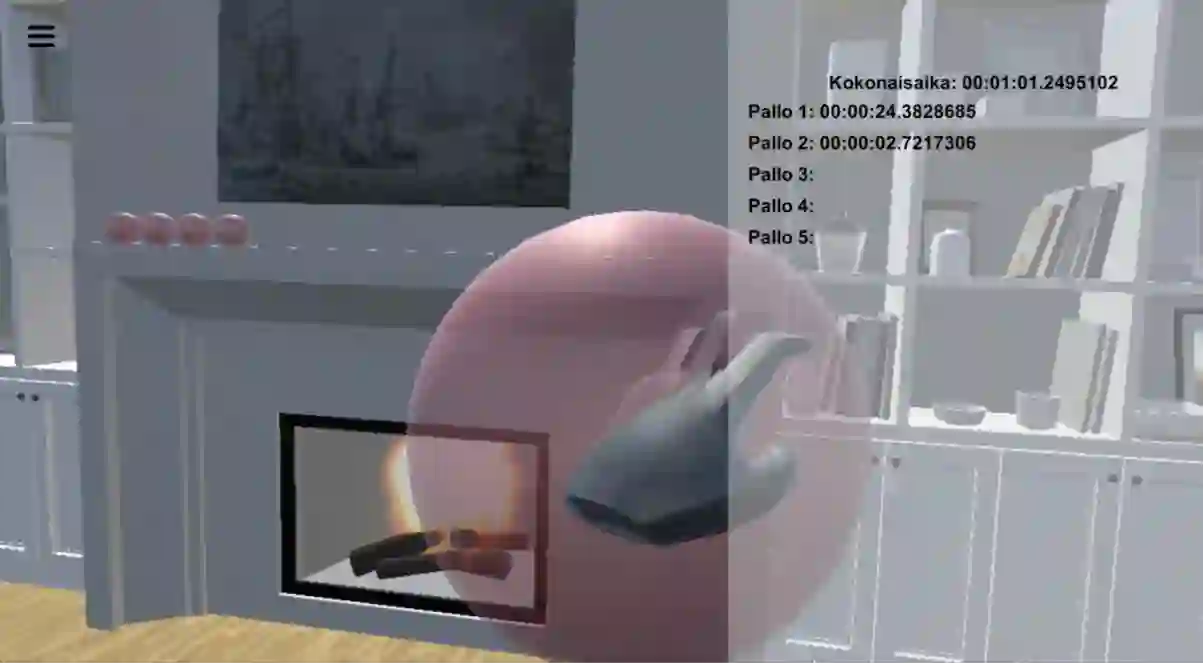
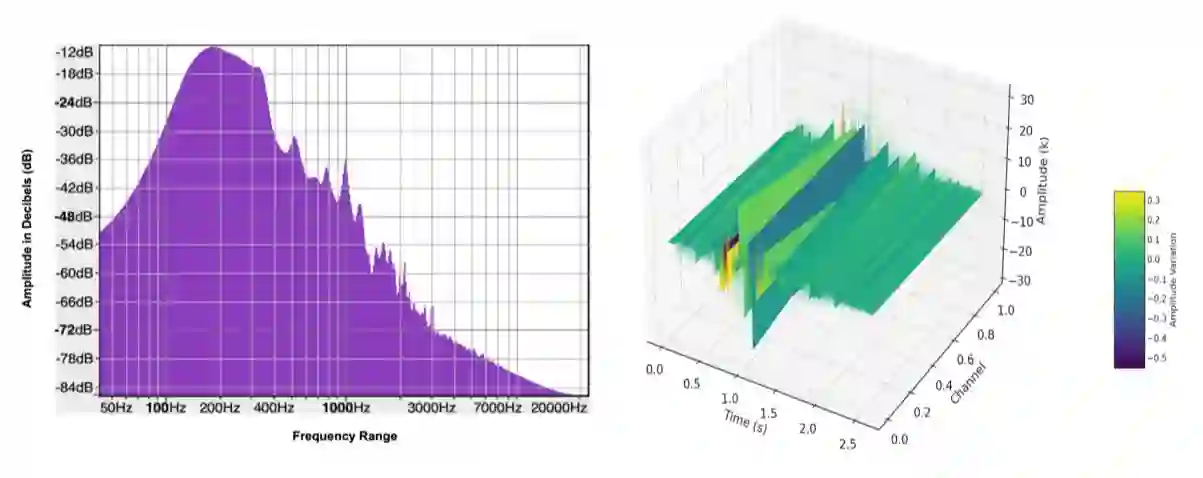
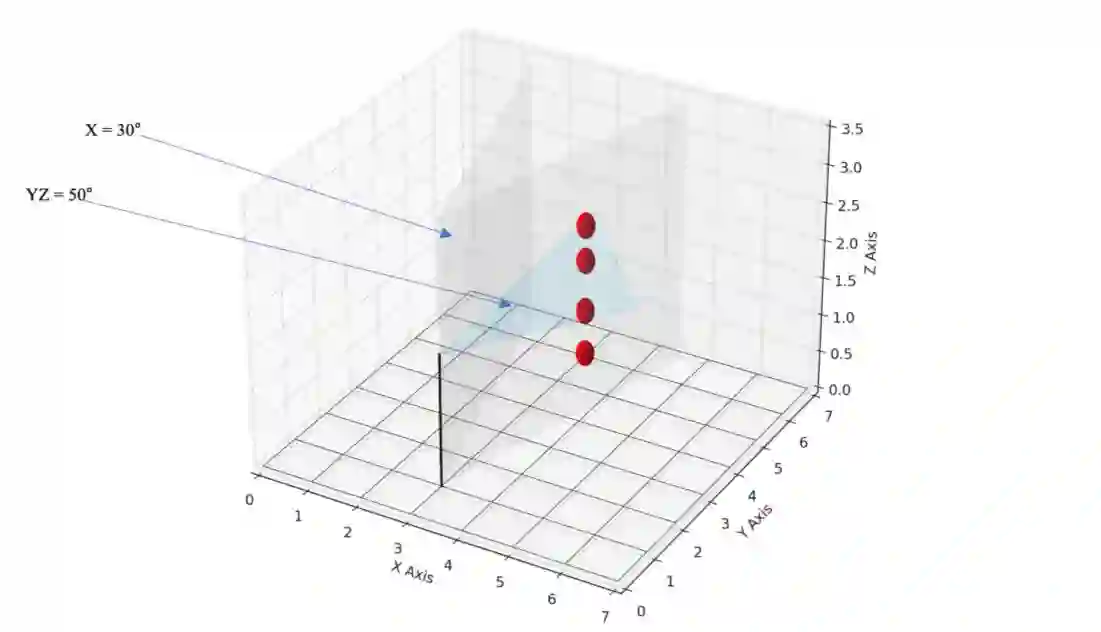
This study explores a VR-based intervention for Visuospatial neglect (VSN), a post-stroke condition. It aims to develop a VR task utilizing interactive visual-audio cues to improve sensory-motor training and assess its impact on VSN patients' engagement and performance. Collaboratively designed with physiotherapists, the VR task uses directional and auditory stimuli to alert and direct patients, tested over 12 sessions with two individuals. Results show a consistent decrease in task completion variability and positive patient feedback, highlighting the VR task's potential for enhancing engagement and suggesting its feasibility in rehabilitation. The study underlines the significance of collaborative design in healthcare technology and advocates for further research with a larger sample size to confirm the benefits of VR in VSN treatment, as well as its applicability to other multimodal disorders.
翻译:本研究探索了一种基于虚拟现实的干预方法,用于治疗脑卒中后视空间忽略(VSN)症状。研究旨在开发一项利用交互式视听线索的VR任务,以改善感觉运动训练,并评估其对VSN患者参与度和表现的影响。该VR任务与物理治疗师协作设计,通过方向和听觉刺激来提醒和引导患者,并在两个个体中进行了12轮测试。结果显示,任务完成变异性持续降低,患者反馈积极,突出了VR任务在提升参与度方面的潜力,并表明其在康复中的可行性。本研究强调了医疗技术中协作设计的重要性,并倡导通过更大样本量的进一步研究来确认VR在VSN治疗中的益处,以及其在其他多模态障碍中的适用性。





相关内容




 微信扫码咨询专知VIP会员