

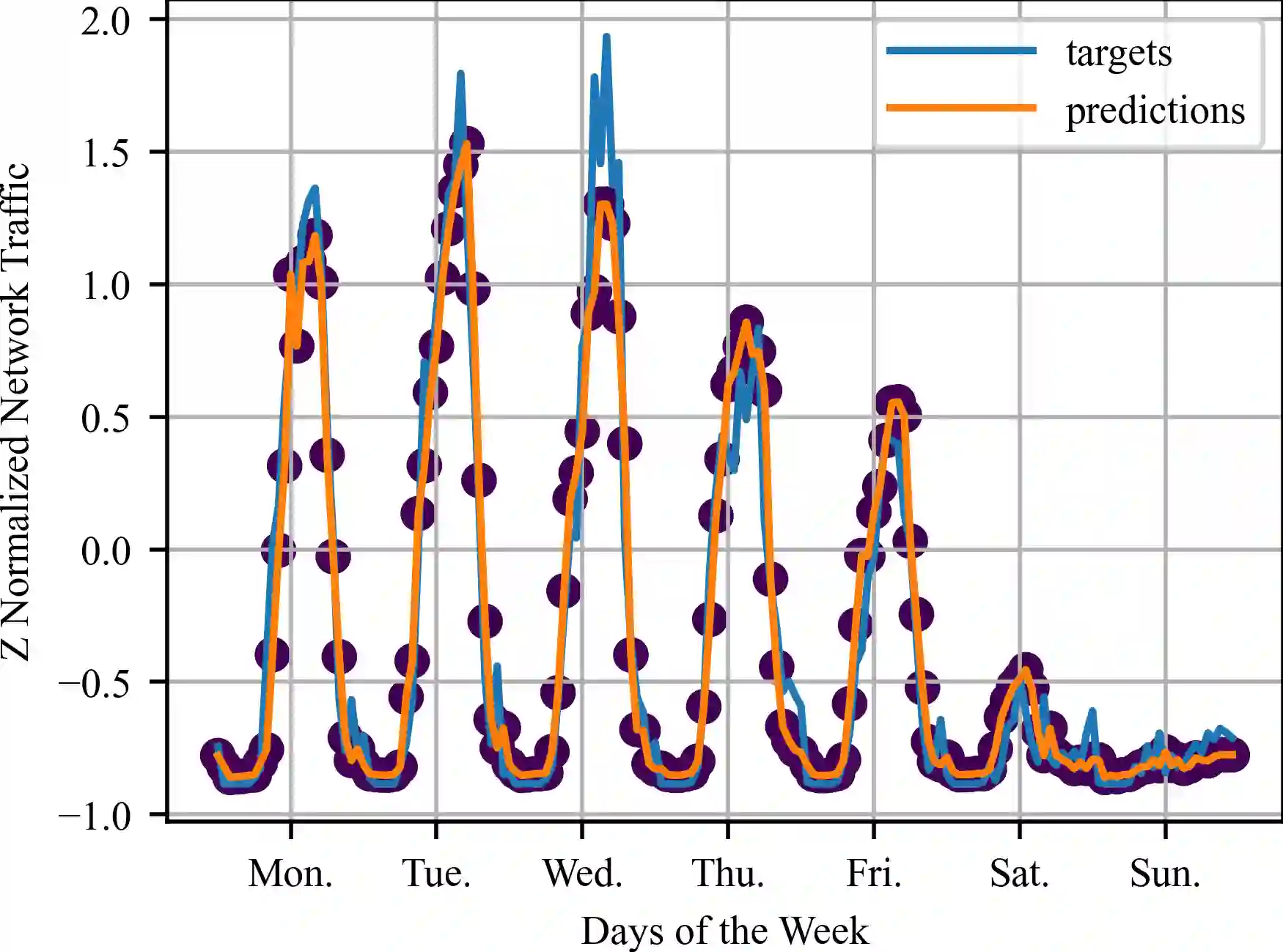
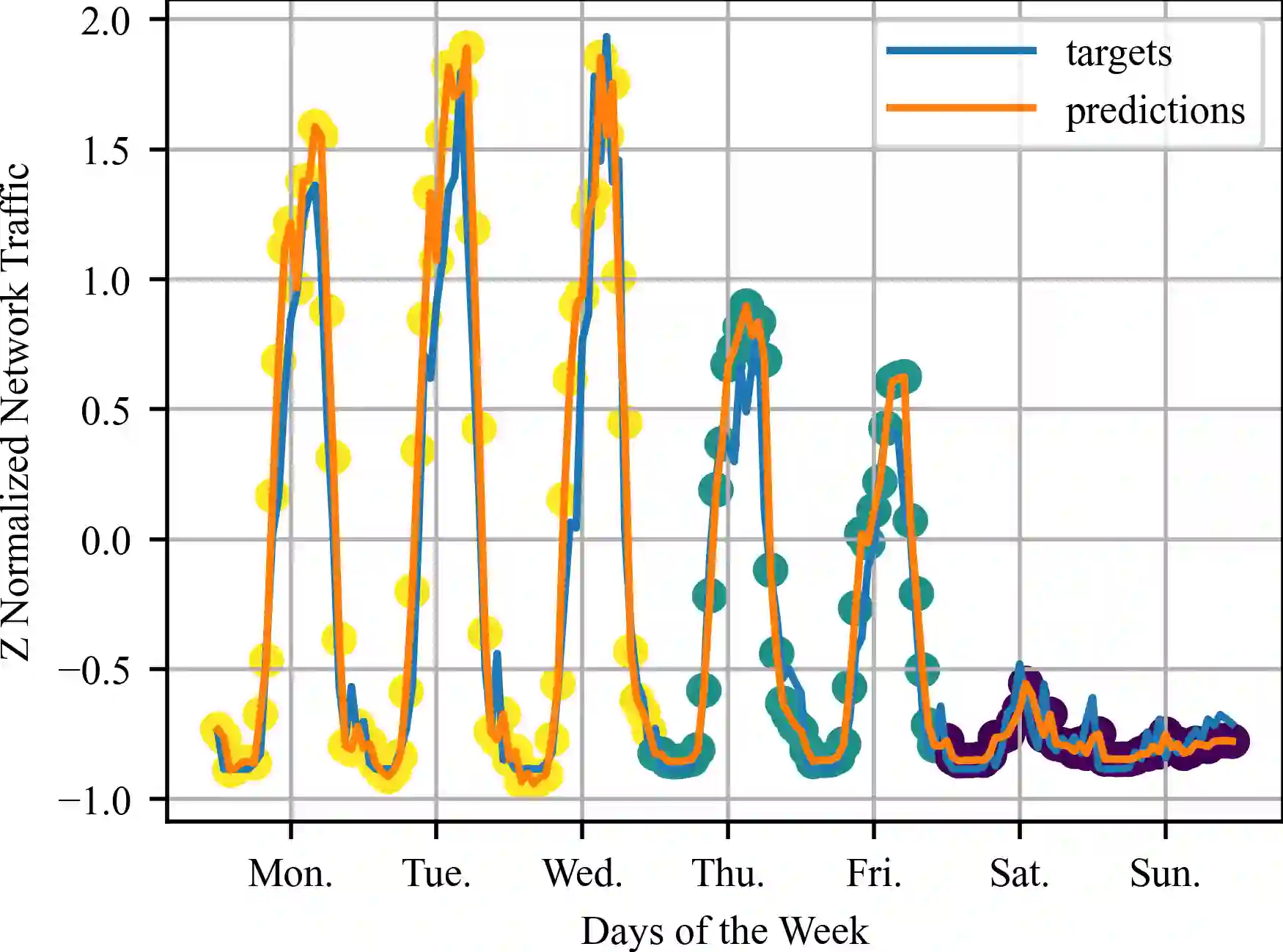
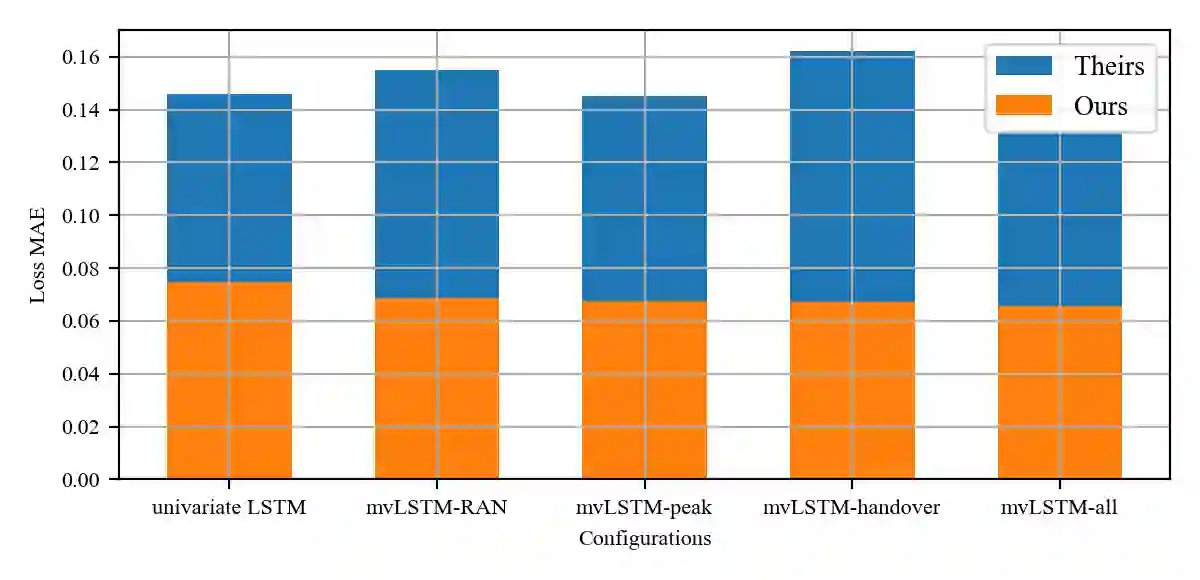
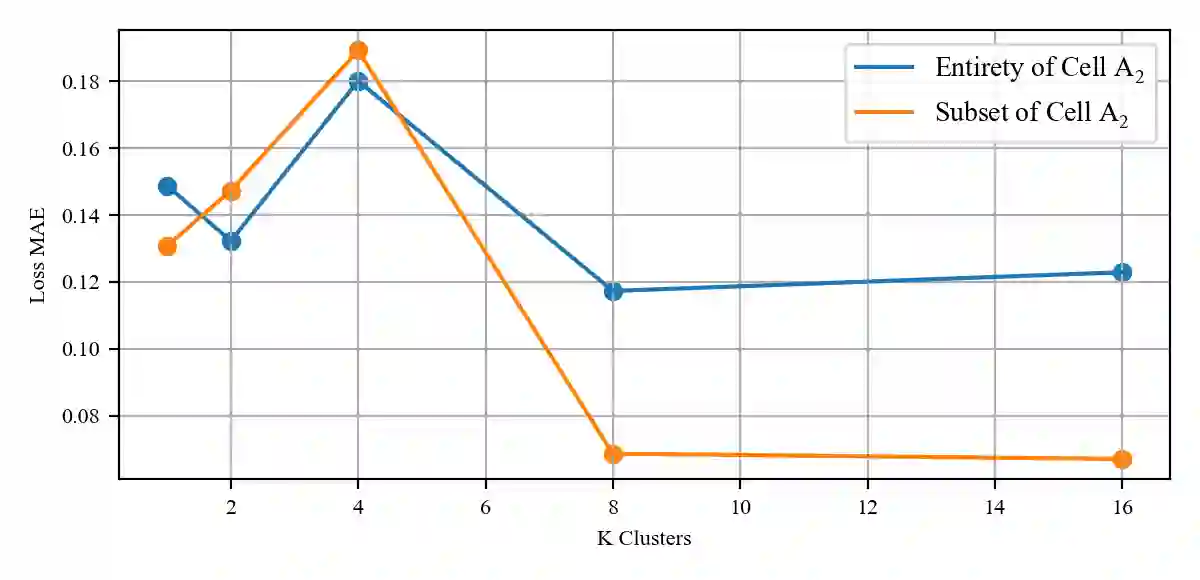
We have developed a new framework using time-series analysis for dynamically assigning mobile network traffic prediction models in previously unseen wireless environments. Our framework selectively employs learned behaviors, outperforming any single model with over a 50% improvement relative to current studies. More importantly, it surpasses traditional approaches without needing prior knowledge of a cell. While this paper focuses on network traffic prediction using our adaptive forecasting framework, this framework can also be applied to other machine learning applications in uncertain environments. The framework begins with unsupervised clustering of time-series data to identify unique trends and seasonal patterns. Subsequently, we apply supervised learning for traffic volume prediction within each cluster. This specialization towards specific traffic behaviors occurs without penalties from spatial and temporal variations. Finally, the framework adaptively assigns trained models to new, previously unseen cells. By analyzing real-time measurements of a cell, our framework intelligently selects the most suitable cluster for that cell at any given time, with cluster assignment dynamically adjusting to spatio-temporal fluctuations.
翻译:我们开发了一种基于时间序列分析的新框架,用于在未经验证的无线环境中动态分配移动网络流量预测模型。该框架选择性利用已习得的行为模式,相较于现有研究实现了超过50%的性能提升,且比任何单一模型表现更优。更重要的是,它无需预先了解小区信息即可超越传统方法。虽然本文聚焦于利用自适应预测框架进行网络流量预测,但该框架同样适用于不确定环境中的其他机器学习应用。该框架首先对时间序列数据进行无监督聚类以识别独特趋势与季节模式,随后在每个聚类内运用监督学习进行流量预测。这种针对特定流量行为特性的方法避免了空间与时间变化带来的性能损失。最终,框架自适应地将训练后的模型分配给未知的新小区。通过分析小区实时测量数据,该框架能智能选择当前最适合该小区的聚类,且聚类分配会随时空波动动态调整。




相关内容



 微信扫码咨询专知VIP会员