

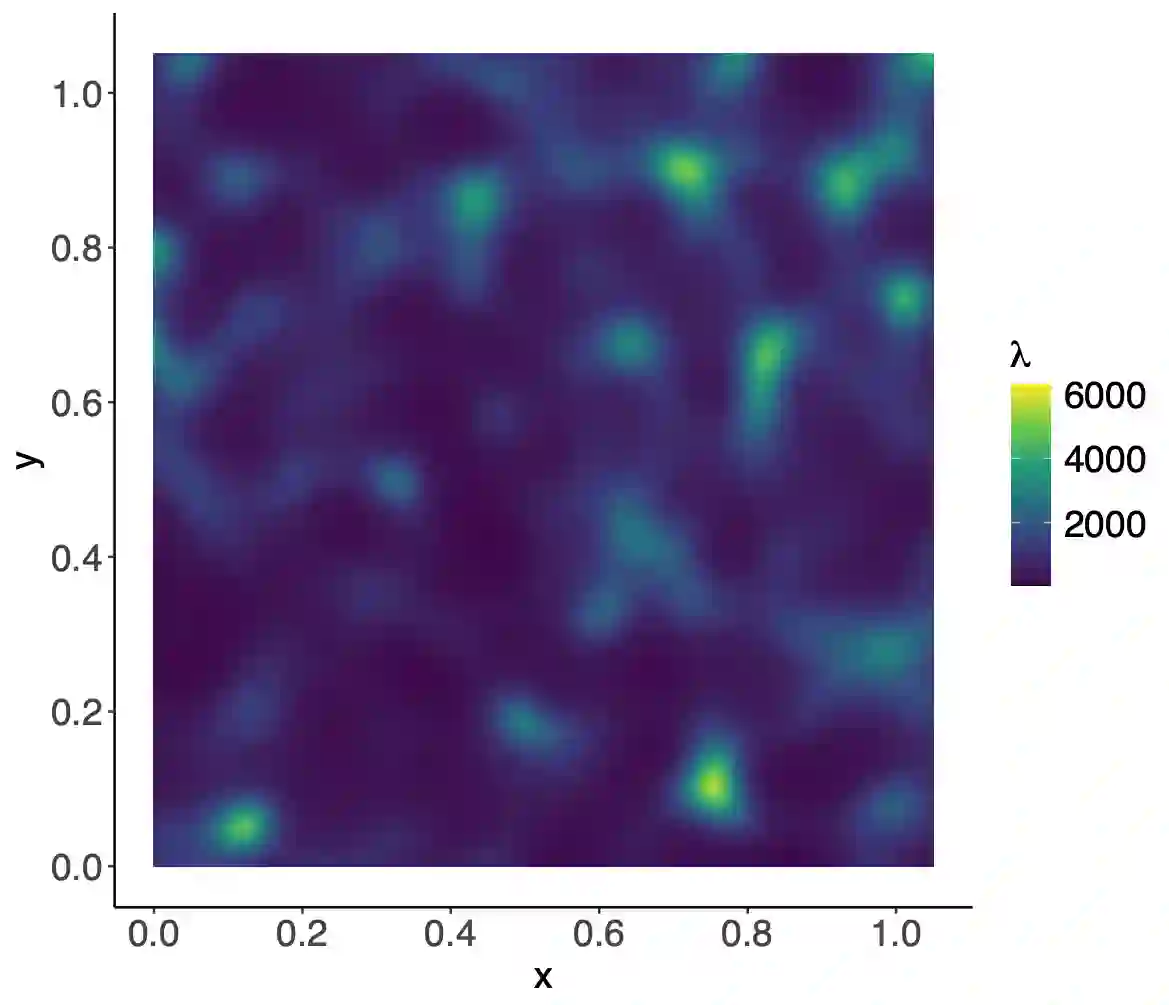
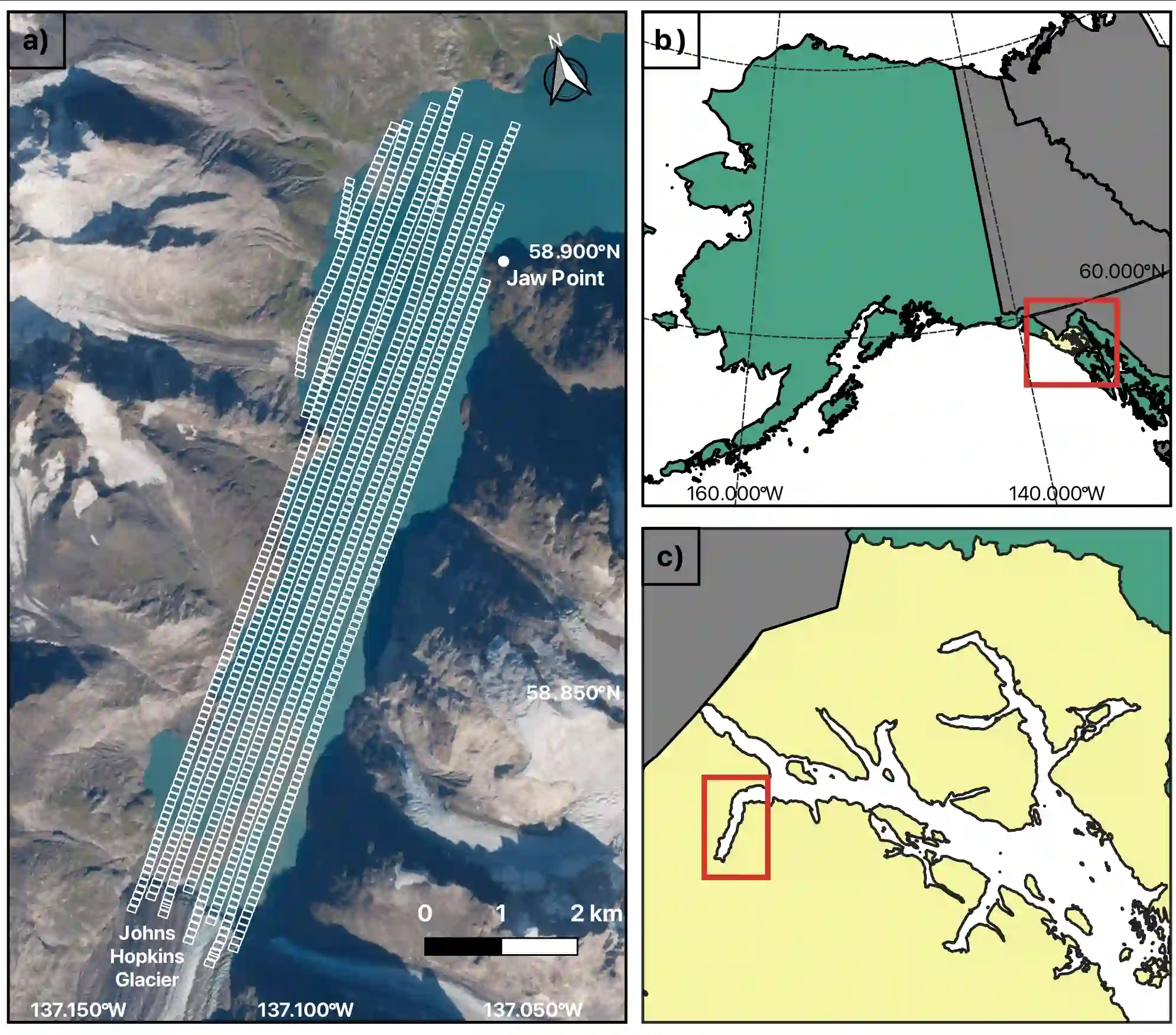
Spatial point process (SPP) models are commonly used to analyze point pattern data in many fields, including presence-only data in ecology. Existing exact Bayesian methods for fitting these models are computationally expensive because they require approximating an intractable integral each time parameters are updated and often involve algorithm supervision (i.e., tuning in the Bayesian setting). We propose a flexible, efficient, and exact multi-stage recursive Bayesian approach to fitting SPP models that leverages parallel computing resources to obtain realizations from the joint posterior, which can then be used to obtain inference on derived quantities. We outline potential extensions, including a framework for analyzing study designs with compact observation windows and a neural network basis expansion for increased model flexibility. We demonstrate this approach and its extensions using a simulation study and analyze data from aerial imagery surveys to improve our understanding of spatially explicit abundance of harbor seal (Phoca vitulina) pups in Johns Hopkins Inlet, a protected tidewater glacial fjord in Glacier Bay National Park, Alaska.
翻译:空间点过程模型常用于分析多个领域的点模式数据,包括生态学中的仅存在数据。现有的拟合这些模型的精确贝叶斯方法计算成本高昂,因为它们在每次更新参数时都需要近似一个难处理的积分,并且通常涉及算法监督(即在贝叶斯设置中进行调参)。我们提出了一种灵活、高效且精确的多阶段递归贝叶斯方法来拟合空间点过程模型,该方法利用并行计算资源从联合后验分布中获取实现,进而可用于对衍生量进行推断。我们概述了潜在的扩展,包括一个用于分析具有紧凑观测窗口的研究设计的框架,以及一个用于增强模型灵活性的神经网络基展开。我们通过模拟研究展示了该方法及其扩展,并分析了航空影像调查数据,以增进对阿拉斯加冰川湾国家公园受保护的潮水冰川峡湾——约翰斯霍普金斯湾——港海豹幼崽空间显性丰度的理解。







相关内容

 微信扫码咨询专知VIP会员