

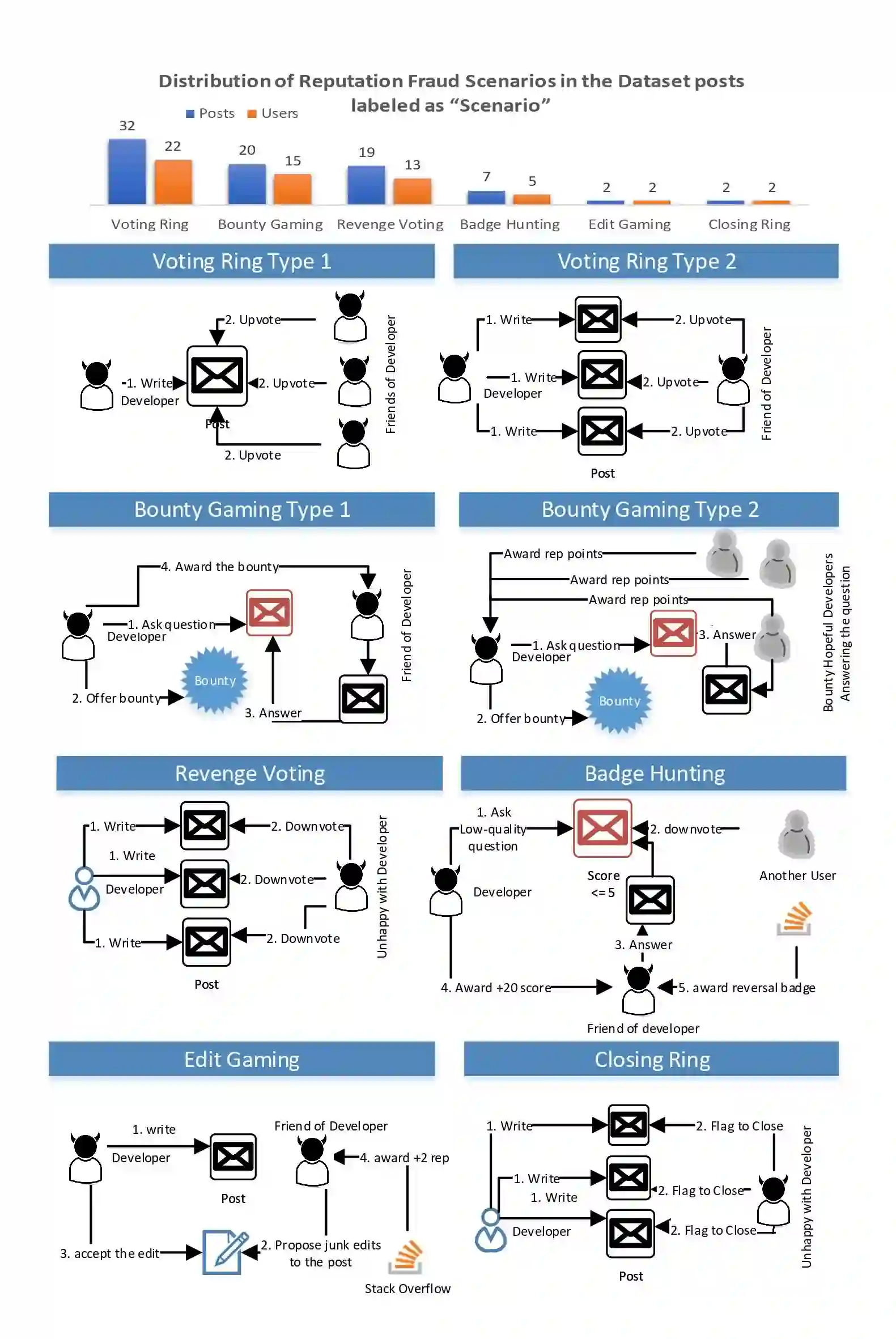
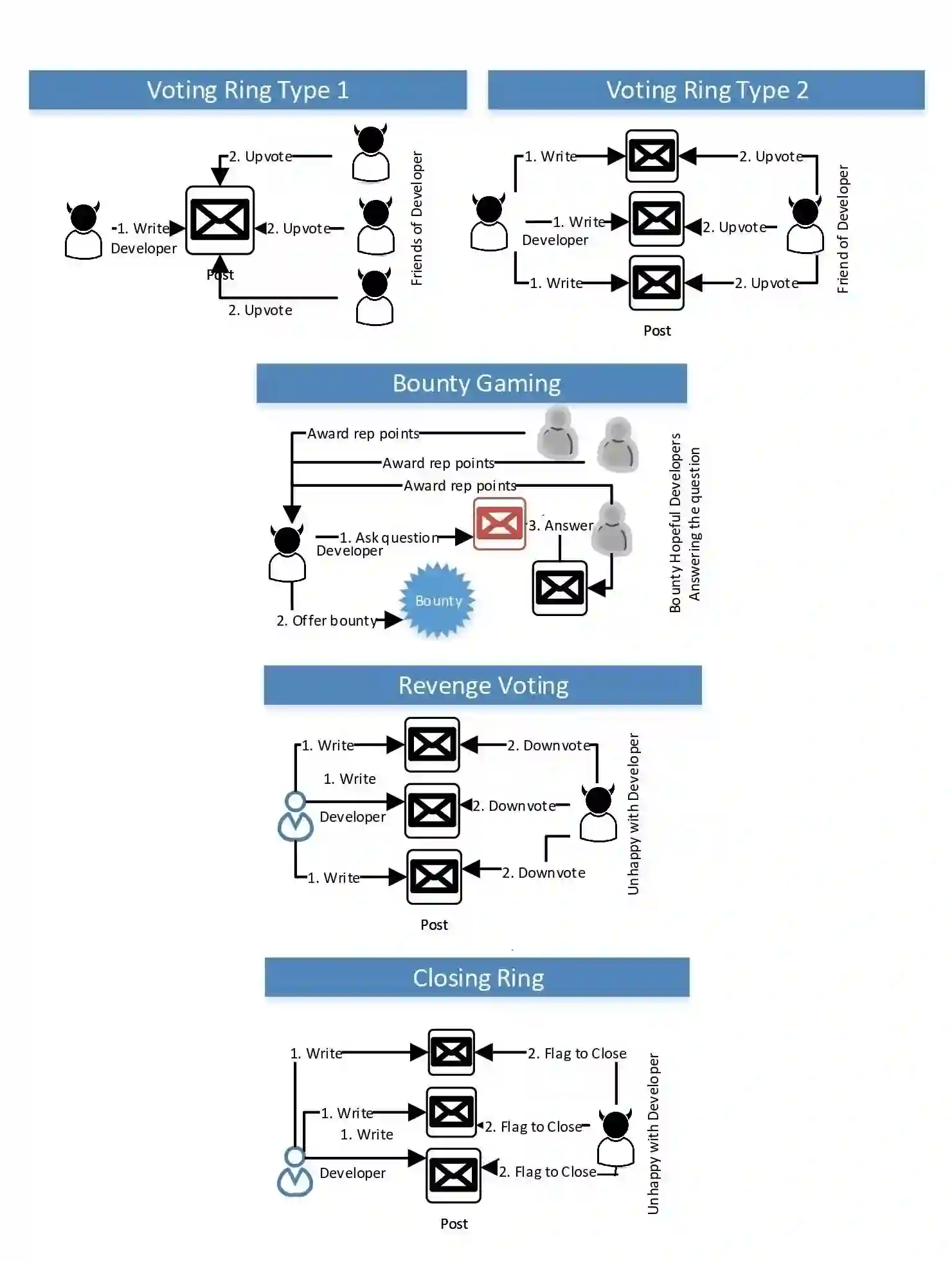
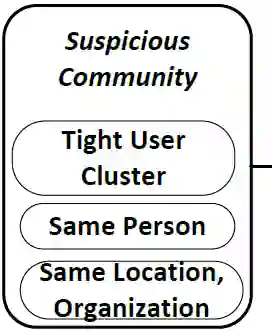
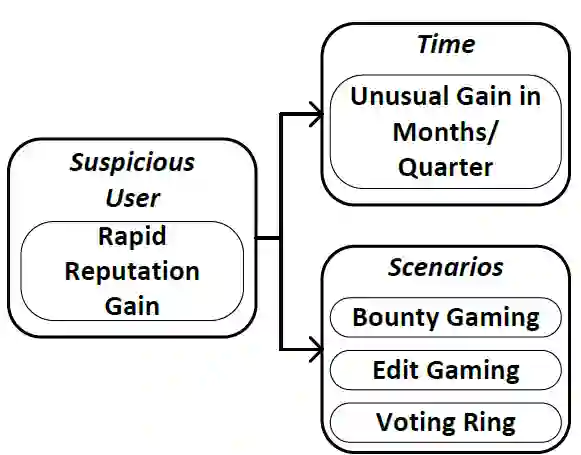
Stack Overflow incentive system awards users with reputation scores to ensure quality. The decentralized nature of the forum may make the incentive system prone to manipulation. This paper offers, for the first time, a comprehensive study of the reported types of reputation manipulation scenarios that might be exercised in Stack Overflow and the prevalence of such reputation gamers by a qualitative study of 1,697 posts from meta Stack Exchange sites. We found four different types of reputation fraud scenarios, such as voting rings where communities form to upvote each other repeatedly on similar posts. We developed algorithms that enable platform managers to automatically identify these suspicious reputation gaming scenarios for review. The first algorithm identifies isolated/semi-isolated communities where probable reputation frauds may occur mostly by collaborating with each other. The second algorithm looks for sudden unusual big jumps in the reputation scores of users. We evaluated the performance of our algorithms by examining the reputation history dashboard of Stack Overflow users from the Stack Overflow website. We observed that around 60-80% of users flagged as suspicious by our algorithms experienced reductions in their reputation scores by Stack Overflow.
翻译:Stack Overflow激励体系通过授予用户声誉分数来确保内容质量。该论坛的去中心化特性可能导致激励系统易受操纵。本文首次通过定性分析来自元Stack Exchange站点的1,697篇帖子,对Stack Overflow中可能存在的声誉操纵场景类型及其普遍性进行了全面研究。我们发现了四种不同类型的声誉欺诈场景,例如投票联盟——即社区成员通过相互反复为相似帖子点赞形成的协作团体。我们开发了两种算法以帮助平台管理者自动识别这些可疑的声誉博弈行为:第一种算法能识别出主要通过相互协作进行声誉欺诈的孤立/半孤立社区;第二种算法则检测用户声誉分数的异常突增现象。通过分析Stack Overflow网站上用户的声誉历史仪表板,我们对算法性能进行了评估。结果显示,被算法标记为可疑的用户中约有60-80%最终被Stack Overflow降低了声誉分数。




相关内容




 微信扫码咨询专知VIP会员