

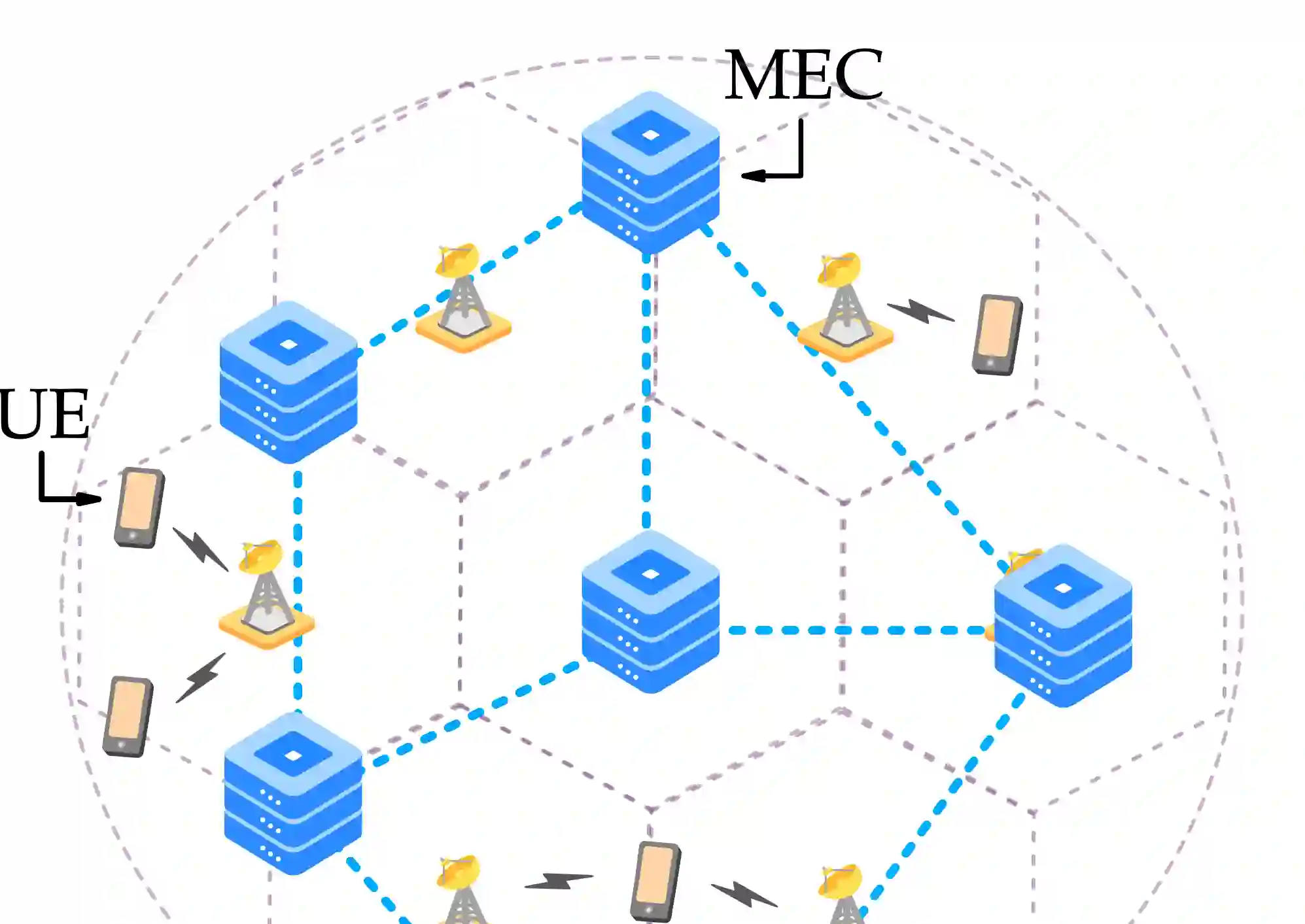
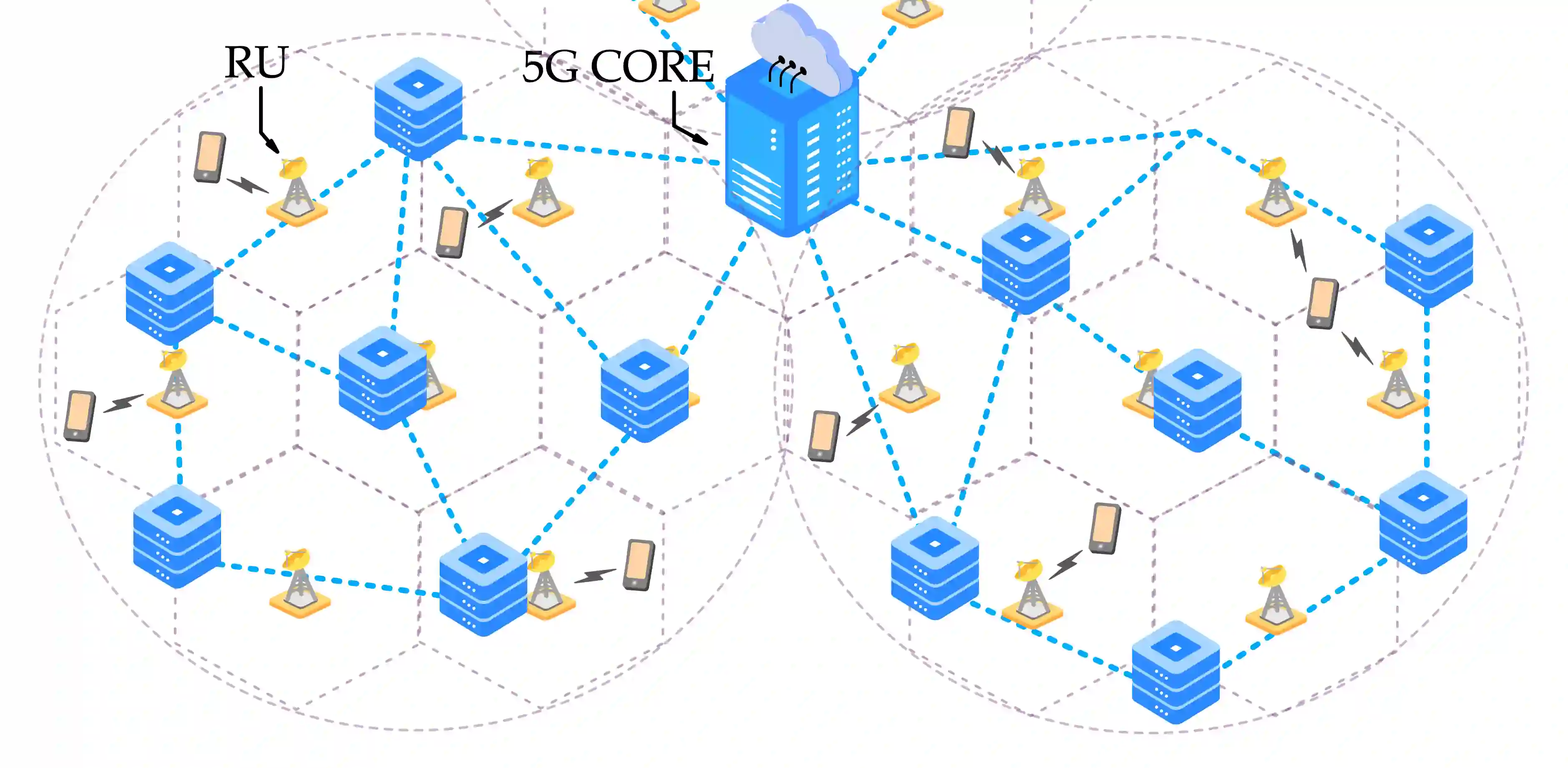
The disaggregated and hierarchical architecture of advanced RAN presents significant challenges in efficiently placing baseband functions and user plane functions in conjunction with Multi-Access Edge Computing (MEC) to accommodate diverse 5G services. Therefore, this paper proposes a novel approach NetMind, which leverages Deep Reinforcement Learning (DRL) to determine the function placement strategies in RANs with diverse topologies, aiming at minimizing power consumption. NetMind formulates the function placement problem as a maze-solving task, enabling a Markov Decision Process with standardized action space scales across different networks. Additionally, a Graph Convolutional Network (GCN) based encoding mechanism is introduced, allowing features from different networks to be aggregated into a single RL agent. That facilitates the RL agent's generalization capability and minimizes the negative impact of retraining on power consumption. In an example with three sub-networks, NetMind achieves comparable performance to traditional methods that require a dedicated DRL agent for each network, resulting in a 70% reduction in training costs. Furthermore, it demonstrates a substantial 32.76% improvement in power savings and a 41.67% increase in service stability compared to benchmarks from the existing literature.
翻译:先进无线接入网(RAN)的解耦分层架构在结合多接入边缘计算(MEC)高效部署基带功能及用户面功能、以适配多样化5G业务方面面临重大挑战。为此,本文提出创新方案NetMind,通过深度强化学习(DRL)为拓扑各异的RAN制定功能部署策略,旨在最小化功耗。NetMind将功能部署问题建模为迷宫求解任务,构建具有跨网络标准化动作空间尺度的马尔可夫决策过程。同时引入基于图卷积网络(GCN)的编码机制,使不同网络的特征可聚合至单一强化学习智能体,从而提升智能体的泛化能力,并最大限度降低重新训练对功耗的负面影响。在包含三个子网络的示例中,NetMind实现了与传统需为每个网络配置专用DRL智能体的方法相当的部署性能,同时训练成本降低70%。与现有文献基准相比,其节电效果提升32.76%,服务稳定性提高41.67%。







相关内容



 微信扫码咨询专知VIP会员