

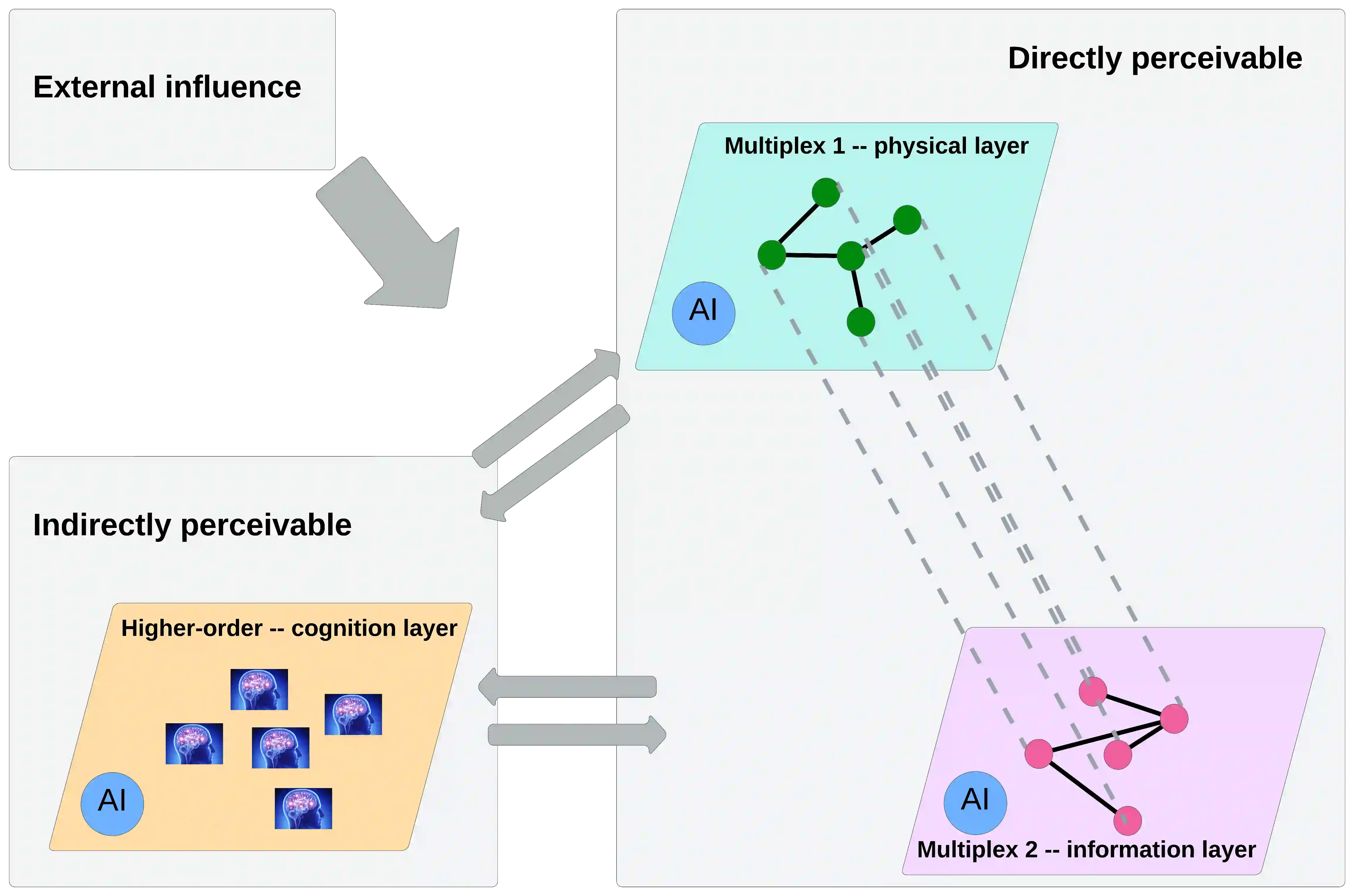
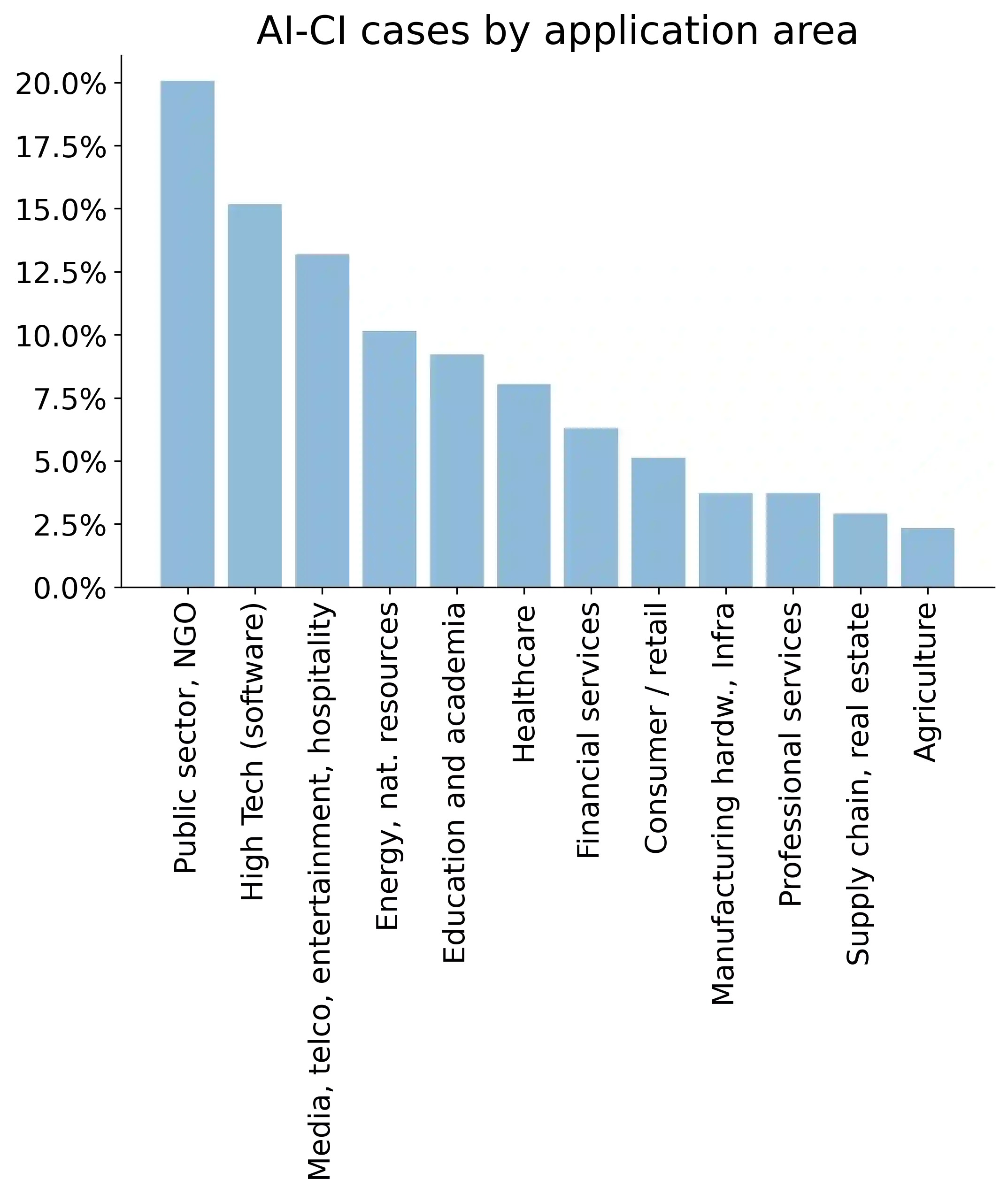
The current societal challenges exceed the capacity of human individual or collective effort alone. As AI evolves, its role within human collectives is poised to vary from an assistive tool to a participatory member. Humans and AI possess complementary capabilities that, when synergized, can achieve a level of collective intelligence that surpasses the collective capabilities of either humans or AI in isolation. However, the interactions in human-AI systems are inherently complex, involving intricate processes and interdependencies. This review incorporates perspectives from network science to conceptualize a multilayer representation of human-AI collective intelligence, comprising a cognition layer, a physical layer, and an information layer. Within this multilayer network, humans and AI agents exhibit varying characteristics; humans differ in diversity from surface-level to deep-level attributes, while AI agents range in degrees of functionality and anthropomorphism. The interplay among these agents shapes the overall structure and dynamics of the system. We explore how agents' diversity and interactions influence the system's collective intelligence. Furthermore, we present an analysis of real-world instances of AI-enhanced collective intelligence. We conclude by addressing the potential challenges in AI-enhanced collective intelligence and offer perspectives on future developments in this field.
翻译:当前社会面临的挑战已超出人类个体或集体努力的承载能力。随着人工智能的发展,其在人类集体中的角色将从辅助工具逐步演变为参与性成员。人类与人工智能具备互补能力,通过协同作用能够实现超越各自独立能力的集体智能水平。然而,人机系统的交互具有固有的复杂性,涉及复杂的过程与相互依赖关系。本综述整合网络科学的视角,构建了人机集体智能的多层表征模型,包含认知层、物理层和信息层。在该多层网络中,人类与人工智能主体呈现差异化特征:人类在表层至深层属性上具有多样性,而人工智能主体在功能性与拟人化程度方面存在差异。这些主体间的相互作用塑造了系统的整体结构与动态特征。我们深入探讨了主体多样性与交互对系统集体智能的影响机制,并结合真实案例对AI增强型集体智能进行了实证分析。最后,我们阐述了该领域面临的潜在挑战,并对未来发展方向进行了展望。




相关内容




 微信扫码咨询专知VIP会员