

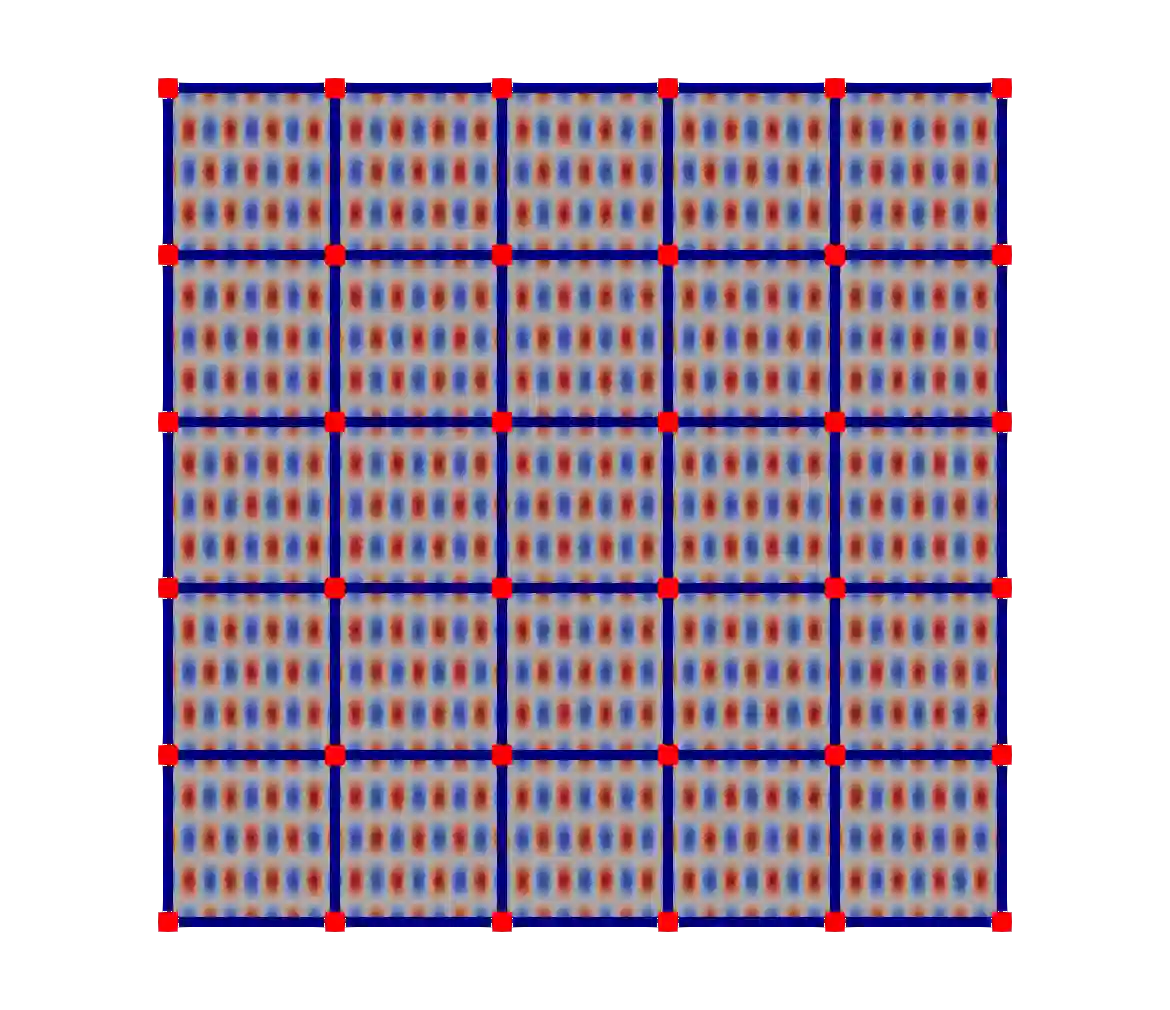
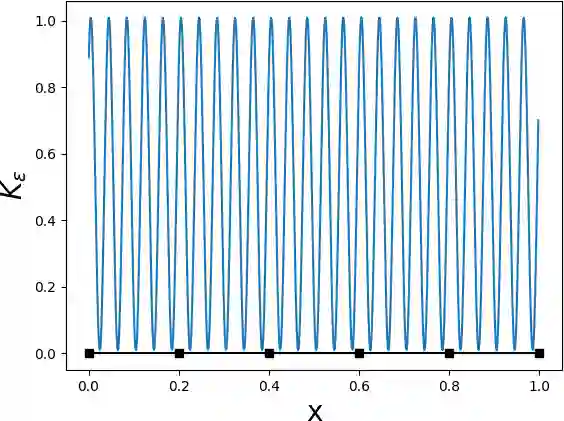
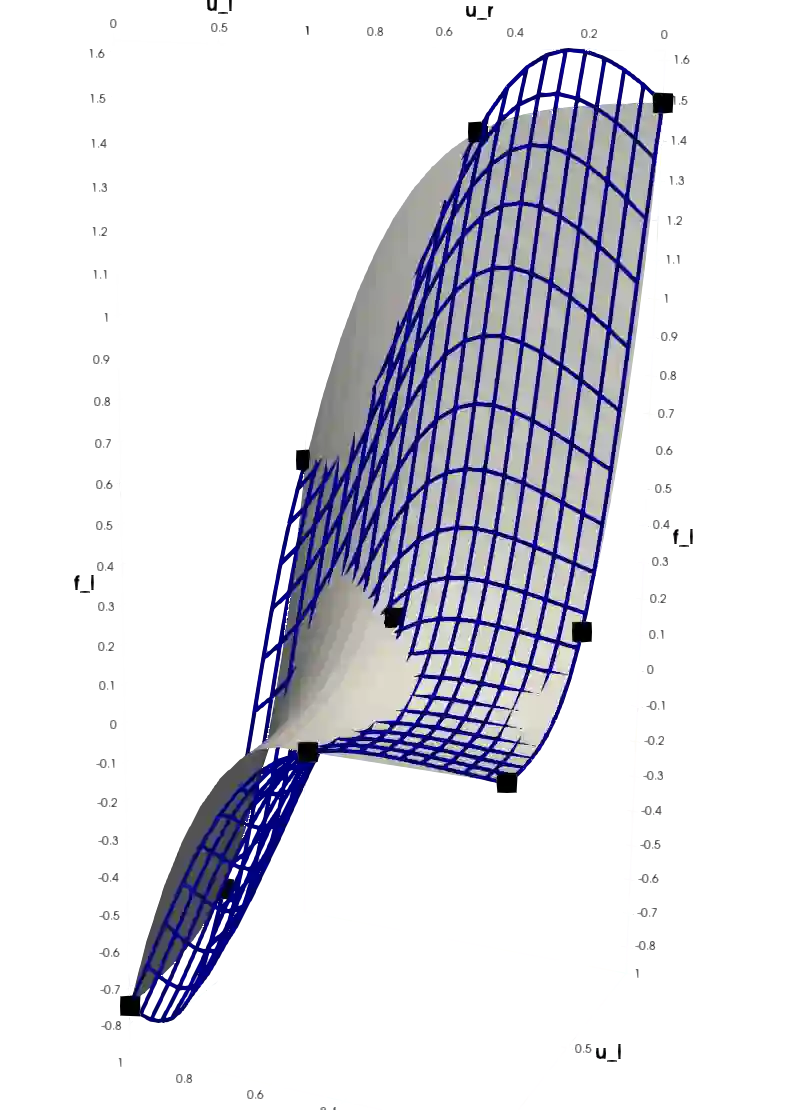
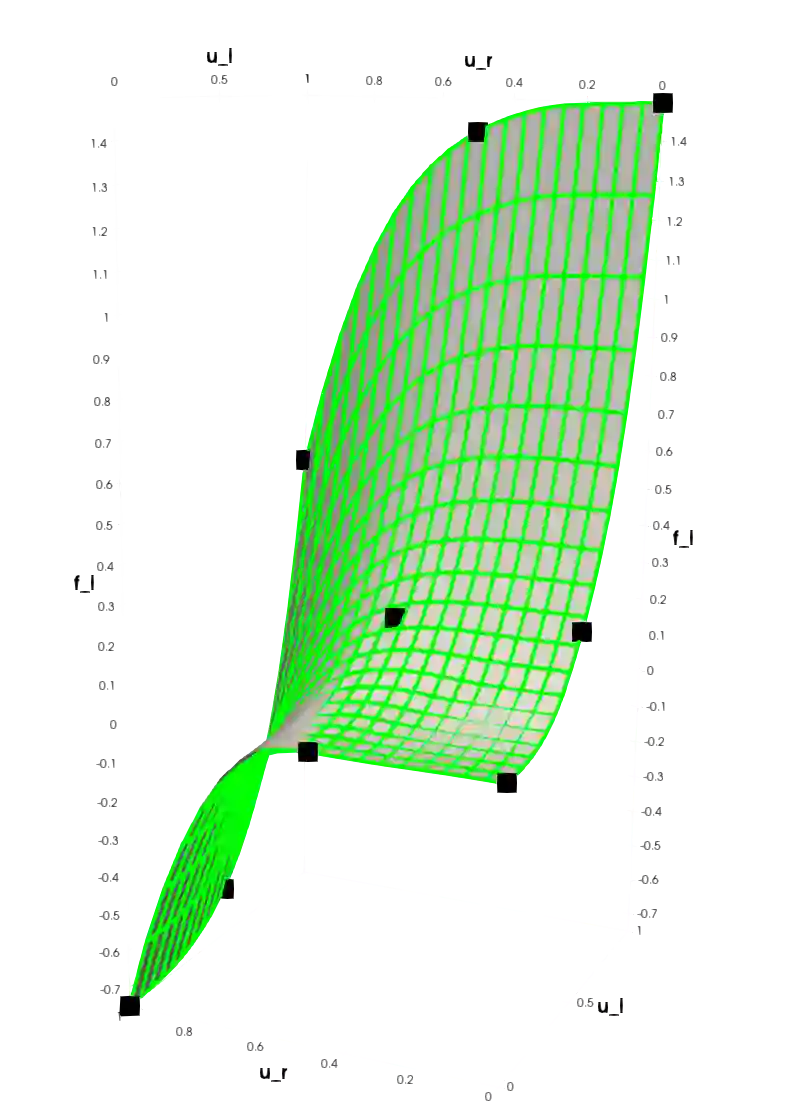
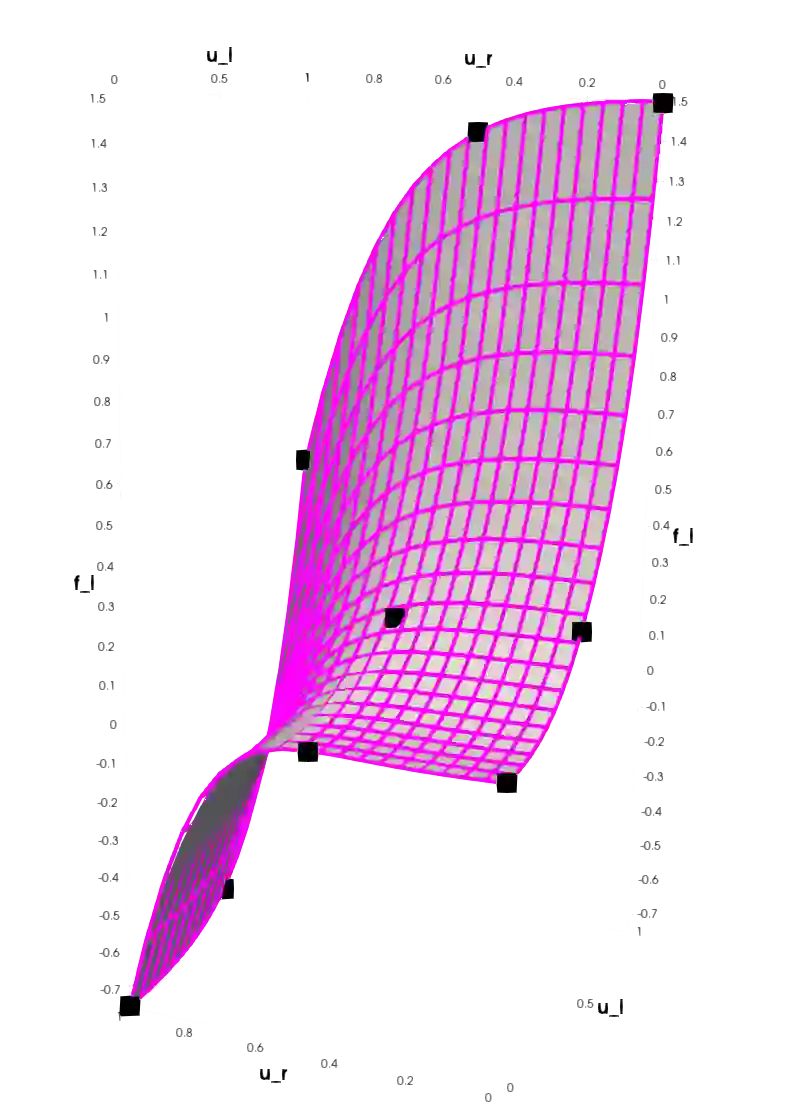
Partial differential equations (PDEs) involving high contrast and oscillating coefficients are common in scientific and industrial applications. Numerical approximation of these PDEs is a challenging task that can be addressed, for example, by multi-scale finite element analysis. For linear problems, multi-scale finite element method (MsFEM) is well established and some viable extensions to non-linear PDEs are known. However, some features of the method seem to be intrinsically based on linearity-based. In particular, traditional MsFEM rely on the reuse of computations. For example, the stiffness matrix can be calculated just once, while being used for several right-hand sides, or as part of a multi-level iterative algorithm. Roughly speaking, the offline phase of the method amounts to pre-assembling the local linear Dirichlet-to-Neumann (DtN) operators. We present some preliminary results concerning the combination of MsFEM with machine learning tools. The extension of MsFEM to nonlinear problems is achieved by means of learning local nonlinear DtN maps. The resulting learning-based multi-scale method is tested on a set of model nonlinear PDEs involving the $p-$Laplacian and degenerate nonlinear diffusion.
翻译:高对比度和振荡系数出现在科学和工业应用的偏微分方程(PDEs)中十分常见。这些PDEs的数值逼近是一项具有挑战性的任务,可通过多尺度有限元分析等方法加以解决。对于线性问题,多尺度有限元方法(MsFEM)已相当成熟,并且已知一些对非线性PDEs的可行扩展。然而,该方法的某些特征似乎本质上是基于线性特性的。特别地,传统MsFEM依赖于计算的重用。例如,刚度矩阵只需计算一次,即可用于多个右端项,或作为多层迭代算法的一部分。粗略地说,该方法的离线阶段相当于预组装局部线性Dirichlet-to-Neumann(DtN)算子。我们介绍了关于将MsFEM与机器学习工具相结合的一些初步结果。通过学习局部非线性DtN映射,实现了MsFEM对非线性问题的扩展。基于学习的多尺度方法在一组模型非线性PDEs上进行了测试,这些PDEs涉及$p$-Laplacian和退化非线性扩散。




相关内容

- Today (iOS and OS X): widgets for the Today view of Notification Center
- Share (iOS and OS X): post content to web services or share content with others
- Actions (iOS and OS X): app extensions to view or manipulate inside another app
- Photo Editing (iOS): edit a photo or video in Apple's Photos app with extensions from a third-party apps
- Finder Sync (OS X): remote file storage in the Finder with support for Finder content annotation
- Storage Provider (iOS): an interface between files inside an app and other apps on a user's device
- Custom Keyboard (iOS): system-wide alternative keyboards
Source: iOS 8 Extensions: Apple’s Plan for a Powerful App Ecosystem




 微信扫码咨询专知VIP会员