

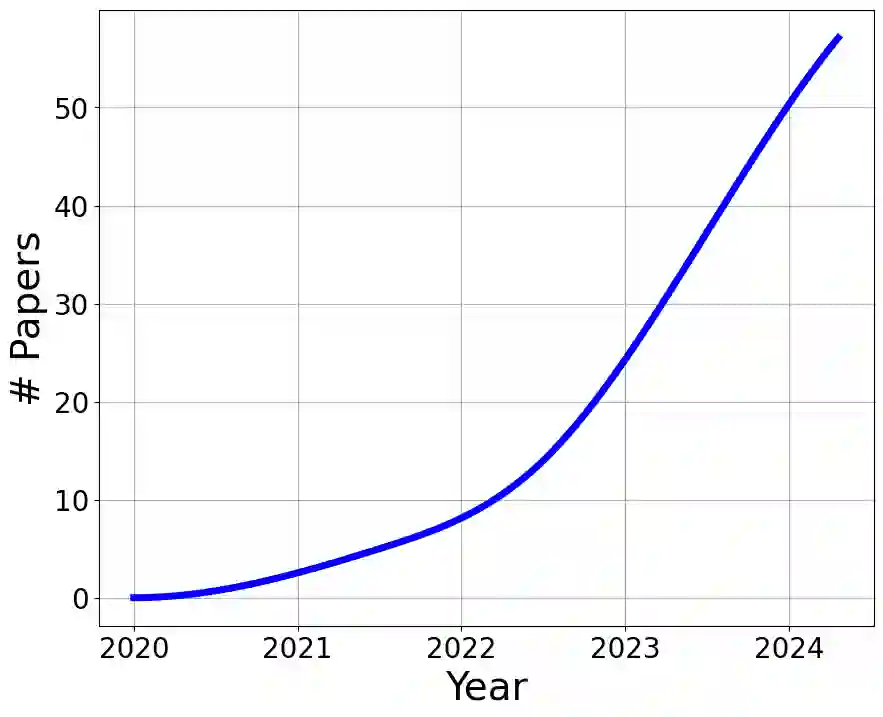
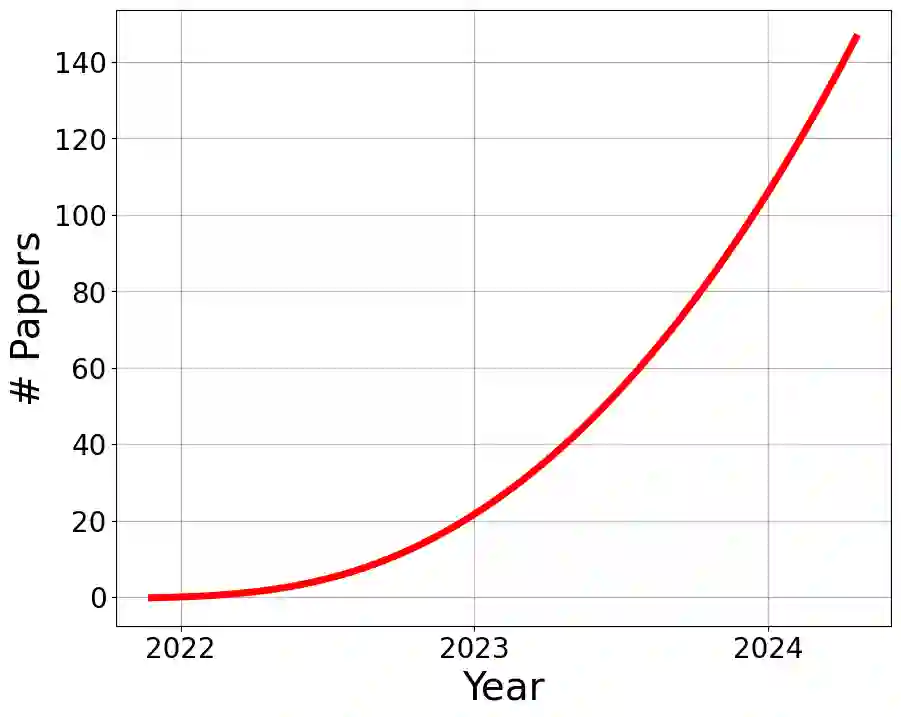
The study of time series data is crucial for understanding trends and anomalies over time, enabling predictive insights across various sectors. Spatio-temporal data, on the other hand, is vital for analyzing phenomena in both space and time, providing a dynamic perspective on complex system interactions. Recently, diffusion models have seen widespread application in time series and spatio-temporal data mining. Not only do they enhance the generative and inferential capabilities for sequential and temporal data, but they also extend to other downstream tasks. In this survey, we comprehensively and thoroughly review the use of diffusion models in time series and spatio-temporal data, categorizing them by model category, task type, data modality, and practical application domain. In detail, we categorize diffusion models into unconditioned and conditioned types and discuss time series data and spatio-temporal data separately. Unconditioned models, which operate unsupervised, are subdivided into probability-based and score-based models, serving predictive and generative tasks such as forecasting, anomaly detection, classification, and imputation. Conditioned models, on the other hand, utilize extra information to enhance performance and are similarly divided for both predictive and generative tasks. Our survey extensively covers their application in various fields, including healthcare, recommendation, climate, energy, audio, and transportation, providing a foundational understanding of how these models analyze and generate data. Through this structured overview, we aim to provide researchers and practitioners with a comprehensive understanding of diffusion models for time series and spatio-temporal data analysis, aiming to direct future innovations and applications by addressing traditional challenges and exploring innovative solutions within the diffusion model framework.
翻译:时间序列数据的研究对于理解随时间变化的趋势和异常至关重要,能够为各领域提供预测性洞察。而时空数据则对分析空间与时间维度的现象具有关键作用,为复杂系统交互提供了动态视角。近年来,扩散模型在时间序列与时空数据挖掘领域得到广泛应用。它们不仅增强了序列与时序数据的生成与推理能力,还拓展到了其他下游任务中。在本综述中,我们全面而深入地回顾了扩散模型在时间序列与时空数据中的应用,并按模型类别、任务类型、数据模态和实际应用领域对其进行分类。具体而言,我们将扩散模型分为无条件和有条件两类,并分别讨论时间序列数据和时空数据。无条件模型在无监督模式下运行,可细分为基于概率的模型和基于分数的模型,用于预测和生成任务,如预测、异常检测、分类和数据填充。而有条件模型则利用额外信息提升性能,同样分为预测和生成任务两类。我们的综述广泛涵盖了这些模型在医疗、推荐、气候、能源、音频和交通等领域的应用,为理解这些模型如何分析和生成数据提供了基础性认识。通过这一结构化概述,我们旨在为研究人员和实践者提供关于时间序列与时空数据分析中扩散模型的全面理解,通过应对传统挑战并探索扩散模型框架内的创新方案,指导未来的创新与应用方向。







相关内容





 微信扫码咨询专知VIP会员