

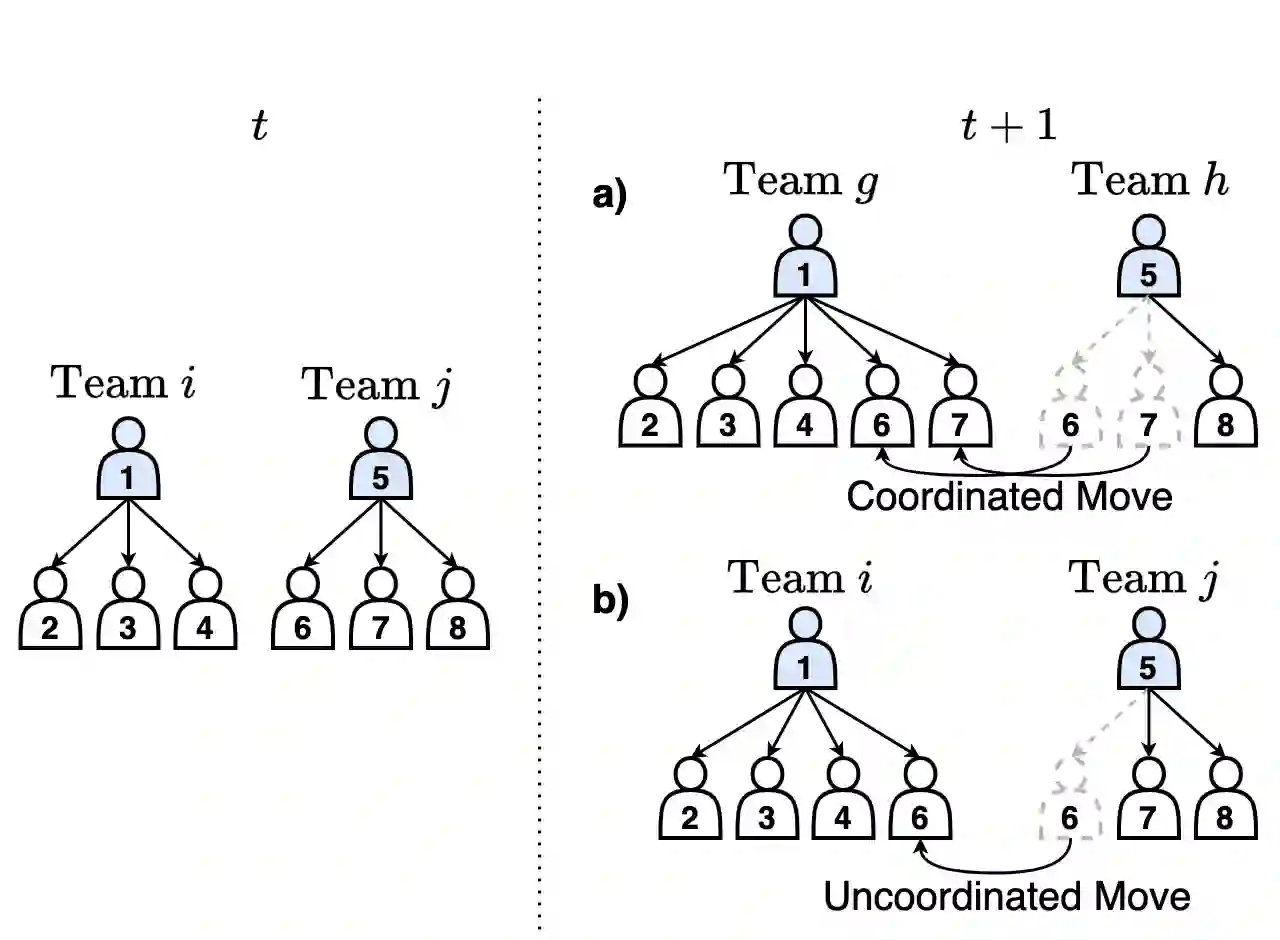
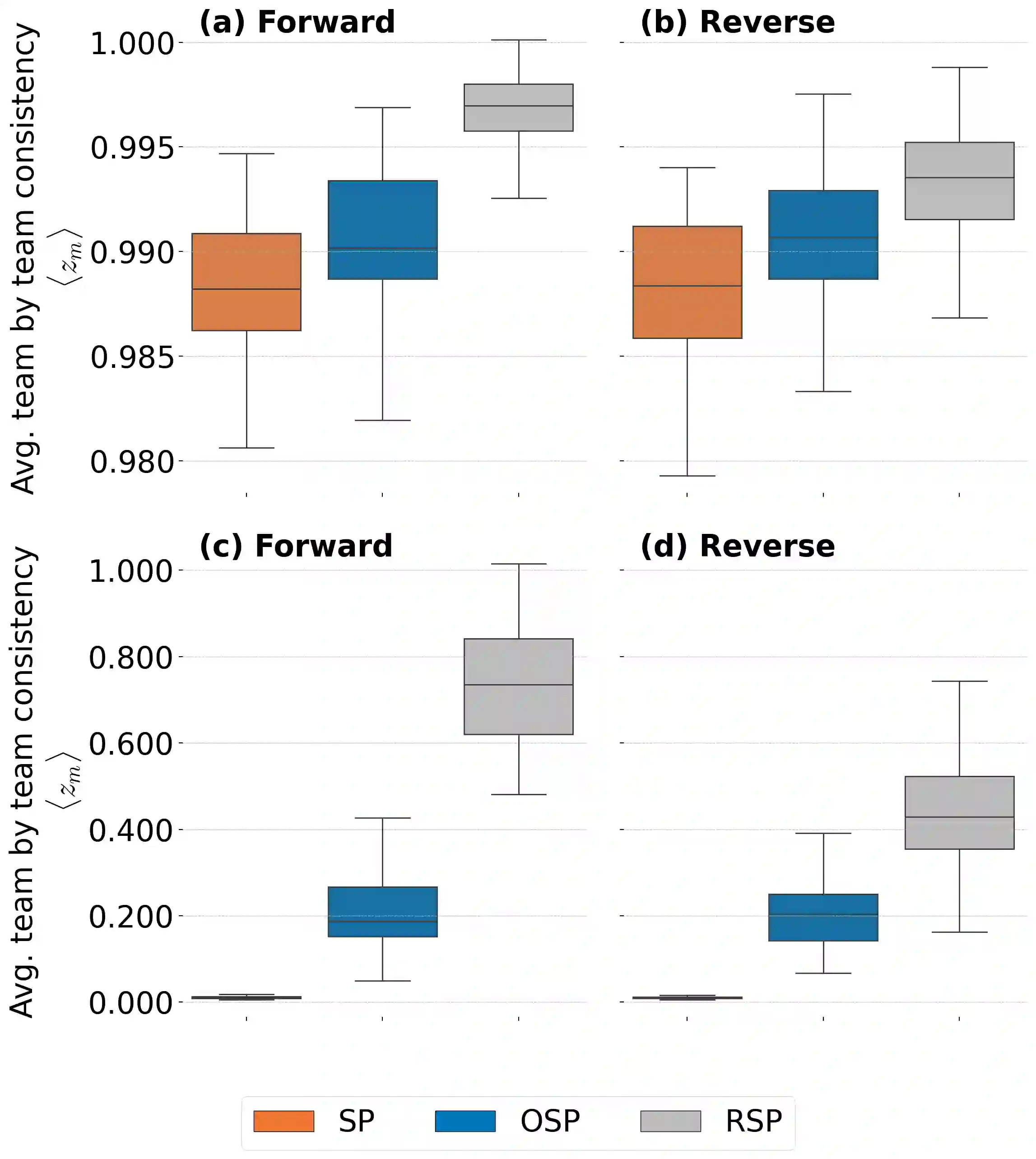
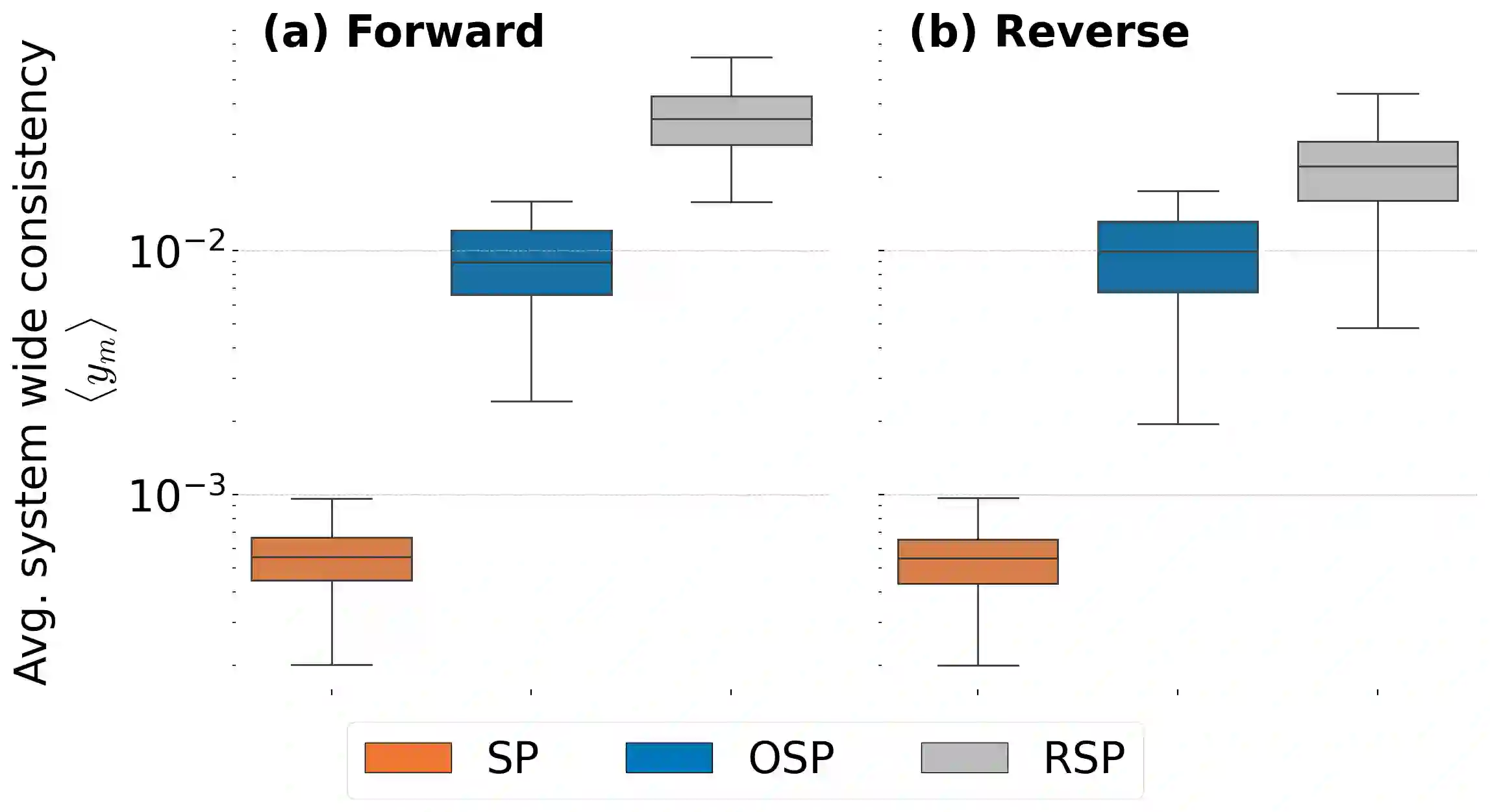
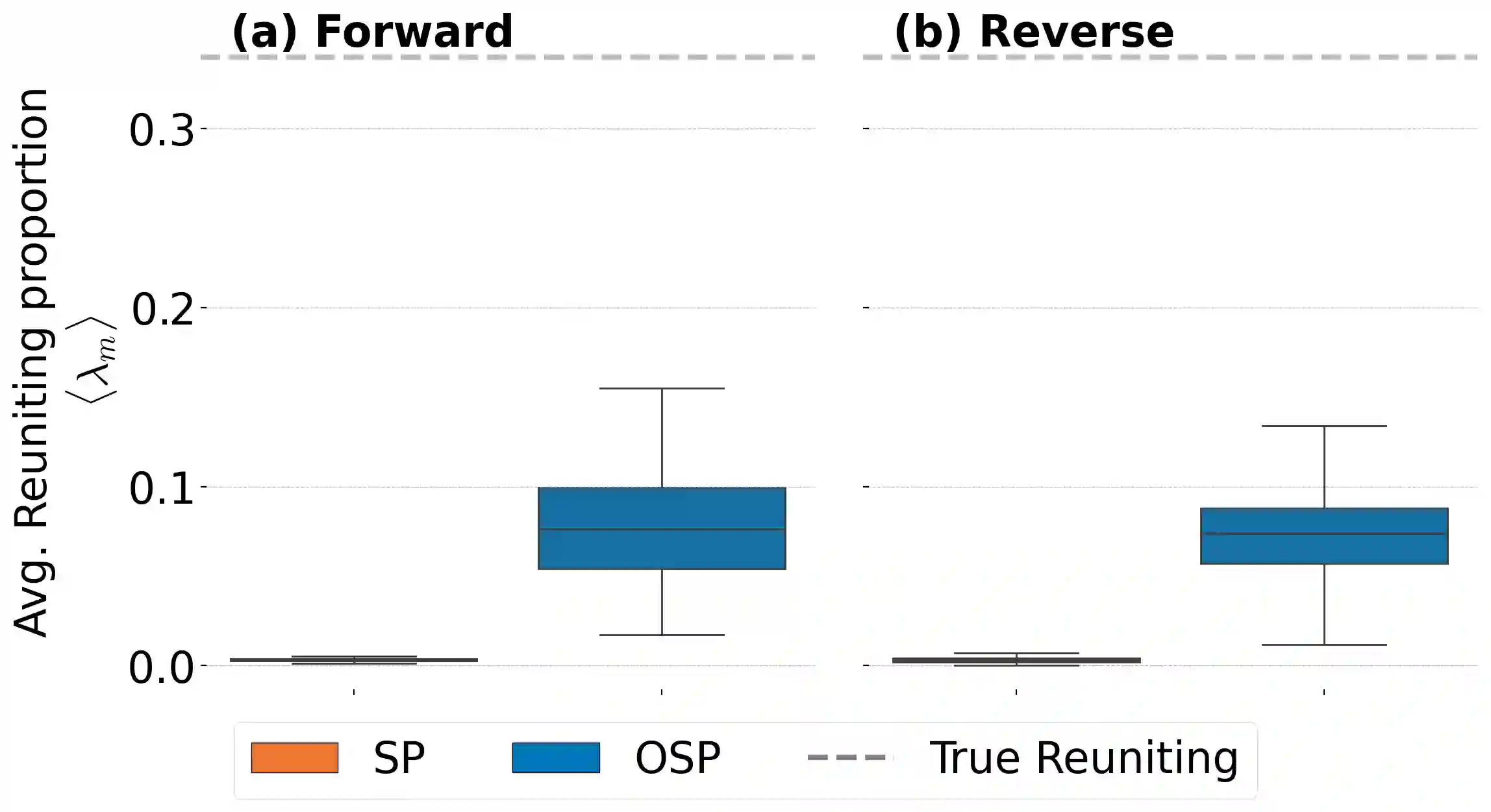
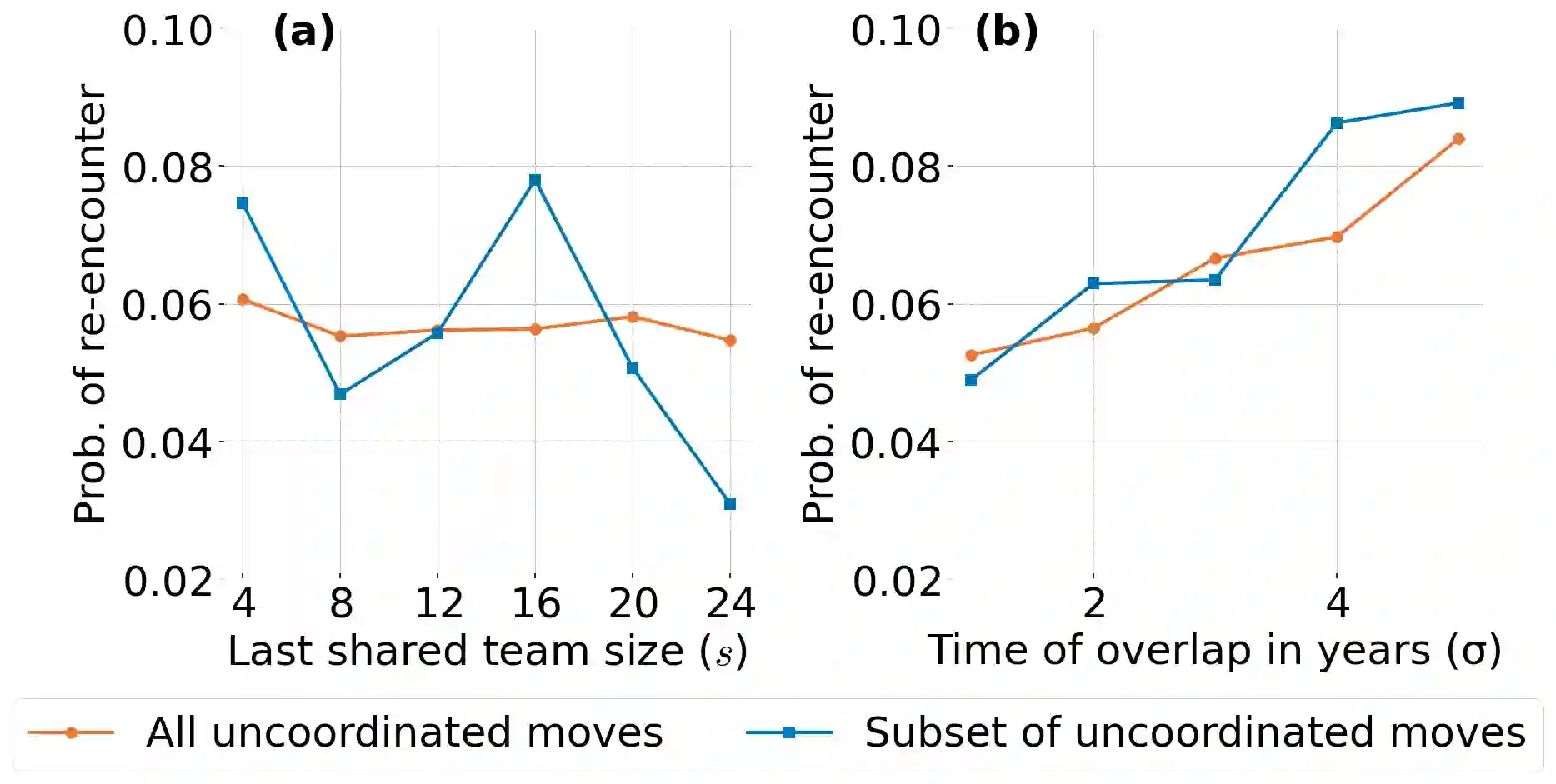
The internal structures of large organizations determine much of what occurs inside including the way in which tasks are performed, the workers that perform them, and the mobility of those workers within the organization. However, regarding this latter process, most of the theoretical and modeling approaches used to understand organizational worker mobility are highly stylized, using idealizations such as structureless organizations, indistinguishable workers, and a lack of social bonding of the workers. In this article, aided by a decade of precise, temporally resolved data of a large US government organization, we introduce a new model to describe organizations as composites of teams within which individuals perform specific tasks and where social connections develop. By tracking the personnel composition of organizational teams, we find that workers that change jobs are highly influenced by preferring to reunite with past co-workers. In this organization, 34\% of all moves lead to worker reunions, a percentage well-above expectation. We find that the greater the time workers spend together or the smaller the team they share both increase their likelihood to reunite, supporting the notion of increased familiarity and trust behind such reunions and the dominant role of social capital in the evolution of large organizations.
翻译:大型组织的内部结构在很大程度上决定了其内部发生的一切,包括任务的执行方式、执行任务的员工以及这些员工在组织内部的流动性。然而,对于后一过程,现有用于理解组织内员工流动的理论与建模方法大多高度程式化,采用了诸如无结构组织、无差别员工以及员工间缺乏社会联结等理想化假设。本文借助美国某大型政府组织长达十年的精确时间序列数据,提出了一种新模型,将组织描述为由团队构成的复合体,其中个体执行特定任务并发展社会联系。通过追踪组织团队的人员构成,我们发现更换岗位的员工高度倾向于与过去的同事重聚。在该组织中,34%的岗位变动导致了同事重聚,这一比例远超预期。我们发现,员工共同工作的时间越长或所在团队规模越小,他们重聚的可能性就越大,这支持了此类重聚背后熟悉度与信任度提升的观点,并揭示了社会资本在大型组织演化中的主导作用。




相关内容




 微信扫码咨询专知VIP会员