

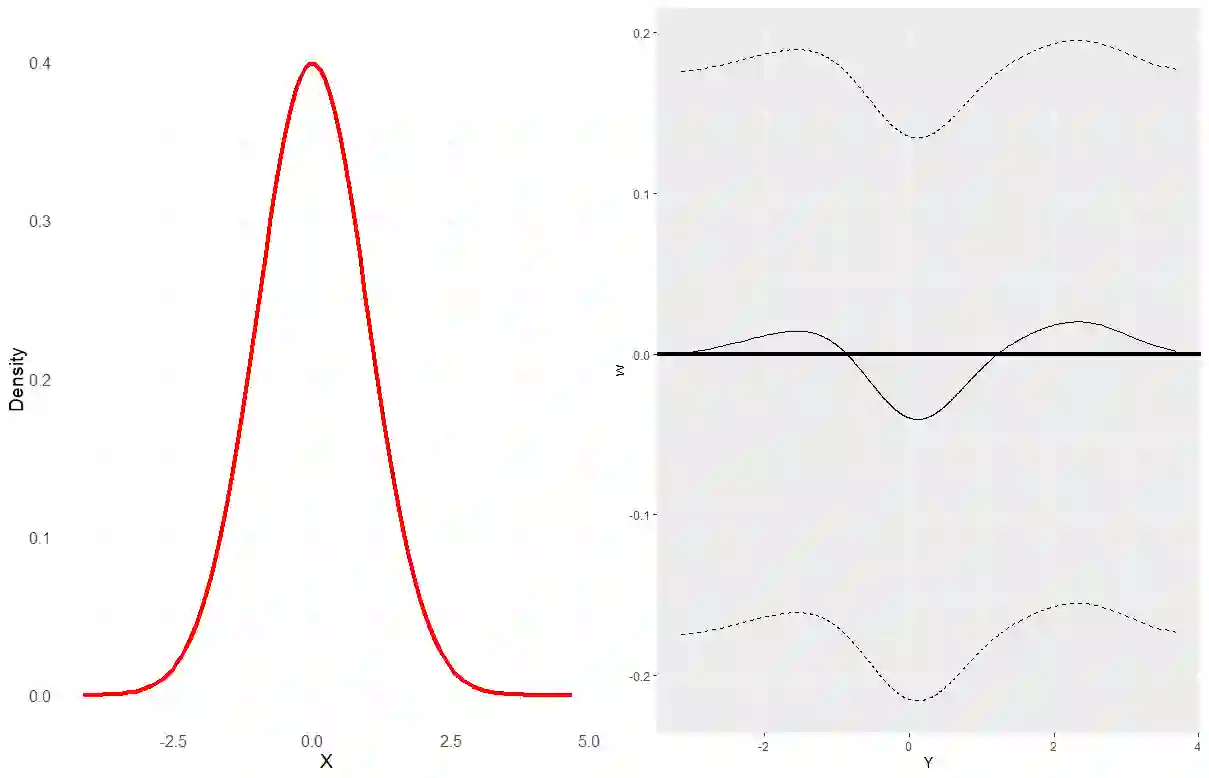
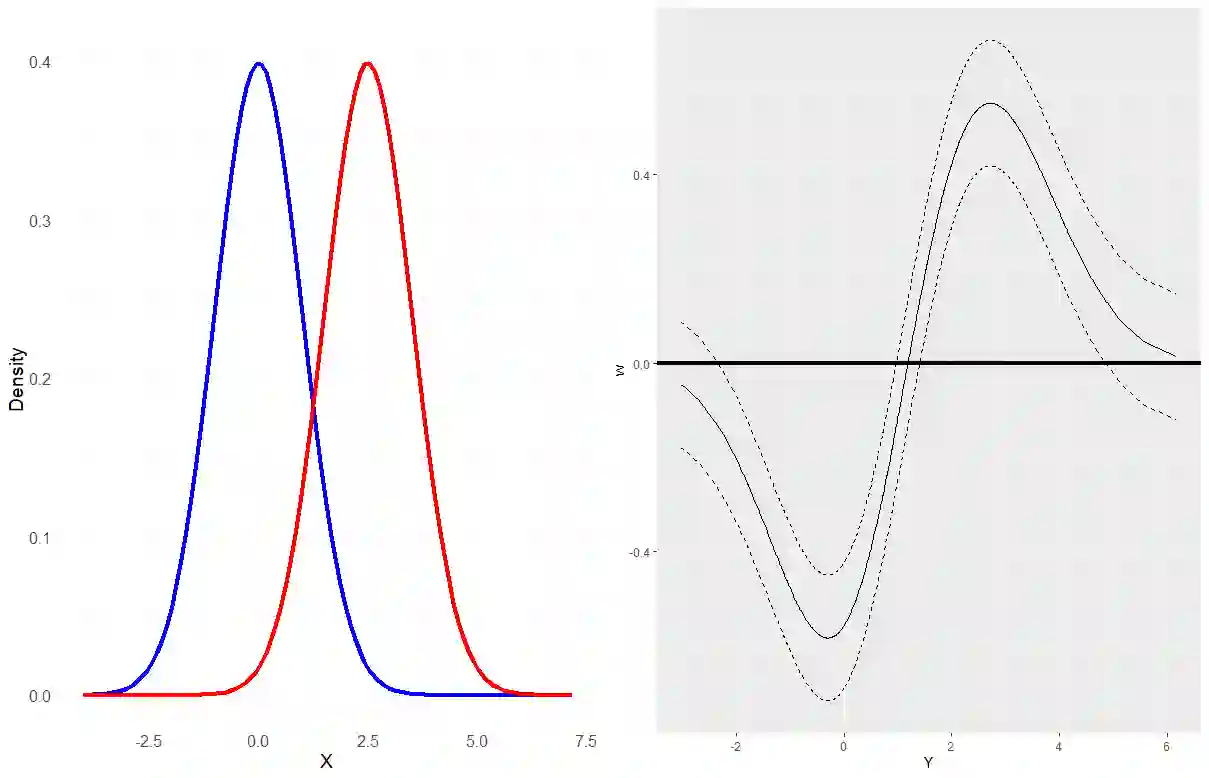
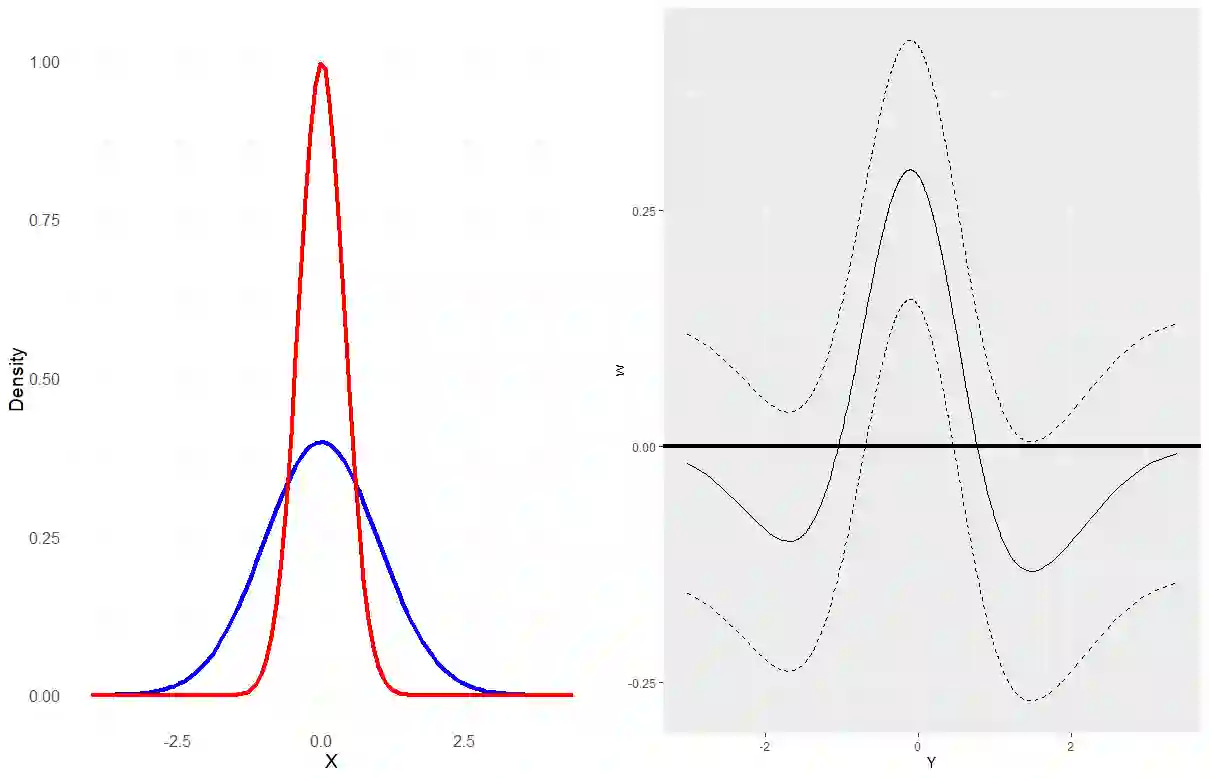
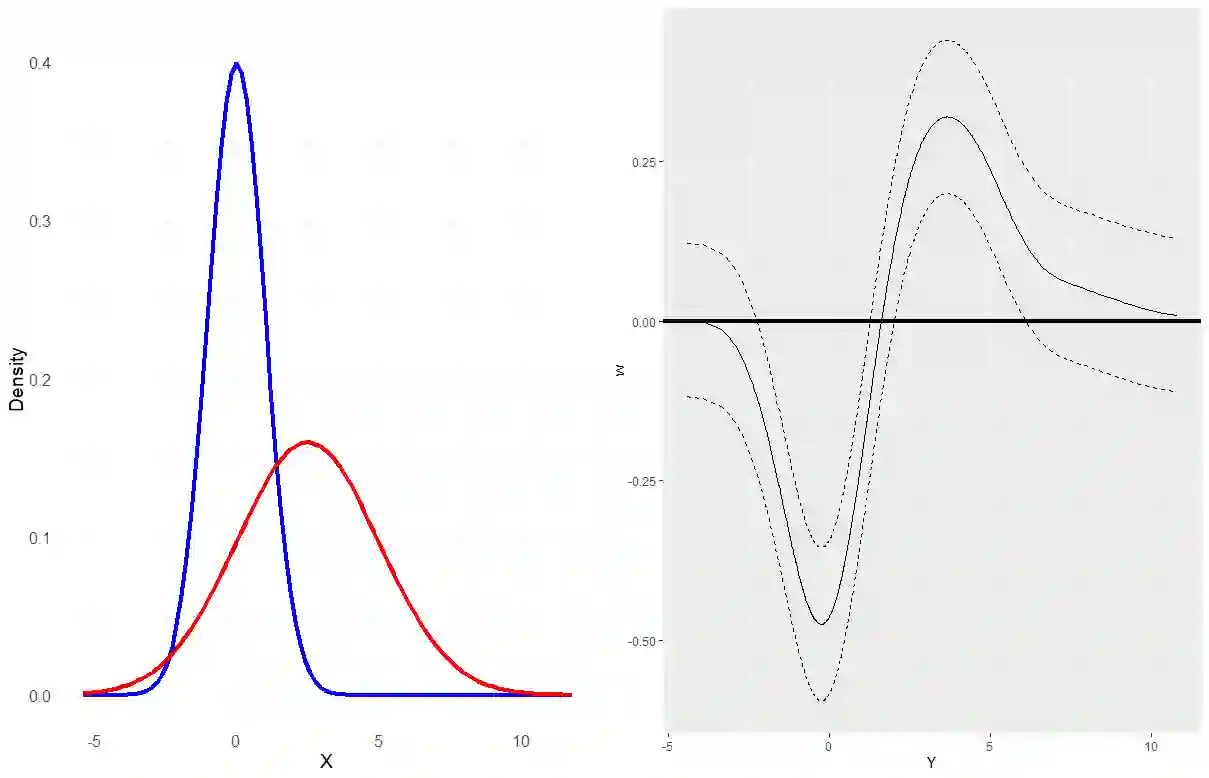
The conditional average treatment effect (CATE) is a commonly targeted statistical parameter for measuring the mean effect of a treatment conditional on covariates. However, the CATE will fail to capture effects of treatments beyond differences in conditional expectations. Inspired by causal forests for CATE estimation, we develop a forest-based method to estimate the conditional kernel treatment effect (CKTE), based on the recently introduced Distributional Random Forest (DRF) algorithm. Adapting the splitting criterion of DRF, we show how one forest fit can be used to obtain a consistent and asymptotically normal estimator of the CKTE, as well as an approximation of its sampling distribution. This allows to study the difference in distribution between control and treatment group and thus yields a more comprehensive understanding of the treatment effect. In particular, this enables the construction of a conditional kernel-based test for distributional effects with provably valid type-I error. We show the effectiveness of the proposed estimator in simulations and apply it to the 1991 Survey of Income and Program Participation (SIPP) pension data to study the effect of 401(k) eligibility on wealth.
翻译:条件平均处理效应(CATE)是衡量处理在给定协变量条件下平均效应的常用统计参数。然而,CATE无法捕捉超出条件期望差异的处理效应。受用于CATE估计的因果森林启发,我们基于最近提出的分布随机森林(DRF)算法,开发了一种基于森林的方法来估计条件核处理效应(CKTE)。通过调整DRF的分裂准则,我们展示了如何利用一次森林拟合来获得CKTE的一致且渐近正态的估计量,以及其抽样分布的近似。这使得研究控制组与处理组之间的分布差异成为可能,从而获得对处理效应更全面的理解。特别地,该方法能够构建一个基于条件核的分布效应检验,其I类误差在理论上可证明是有效的。我们通过仿真验证了所提估计量的有效性,并将其应用于1991年收入与计划参与调查(SIPP)养老金数据,以研究401(k)资格对财富的影响。




相关内容



 微信扫码咨询专知VIP会员