

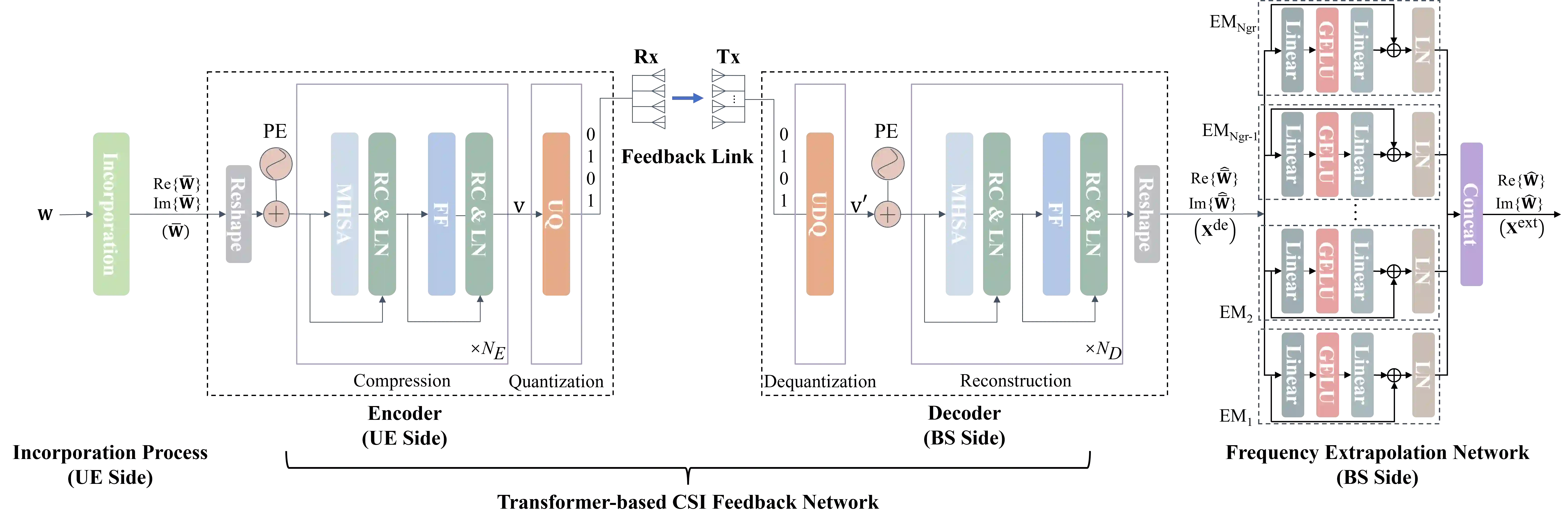
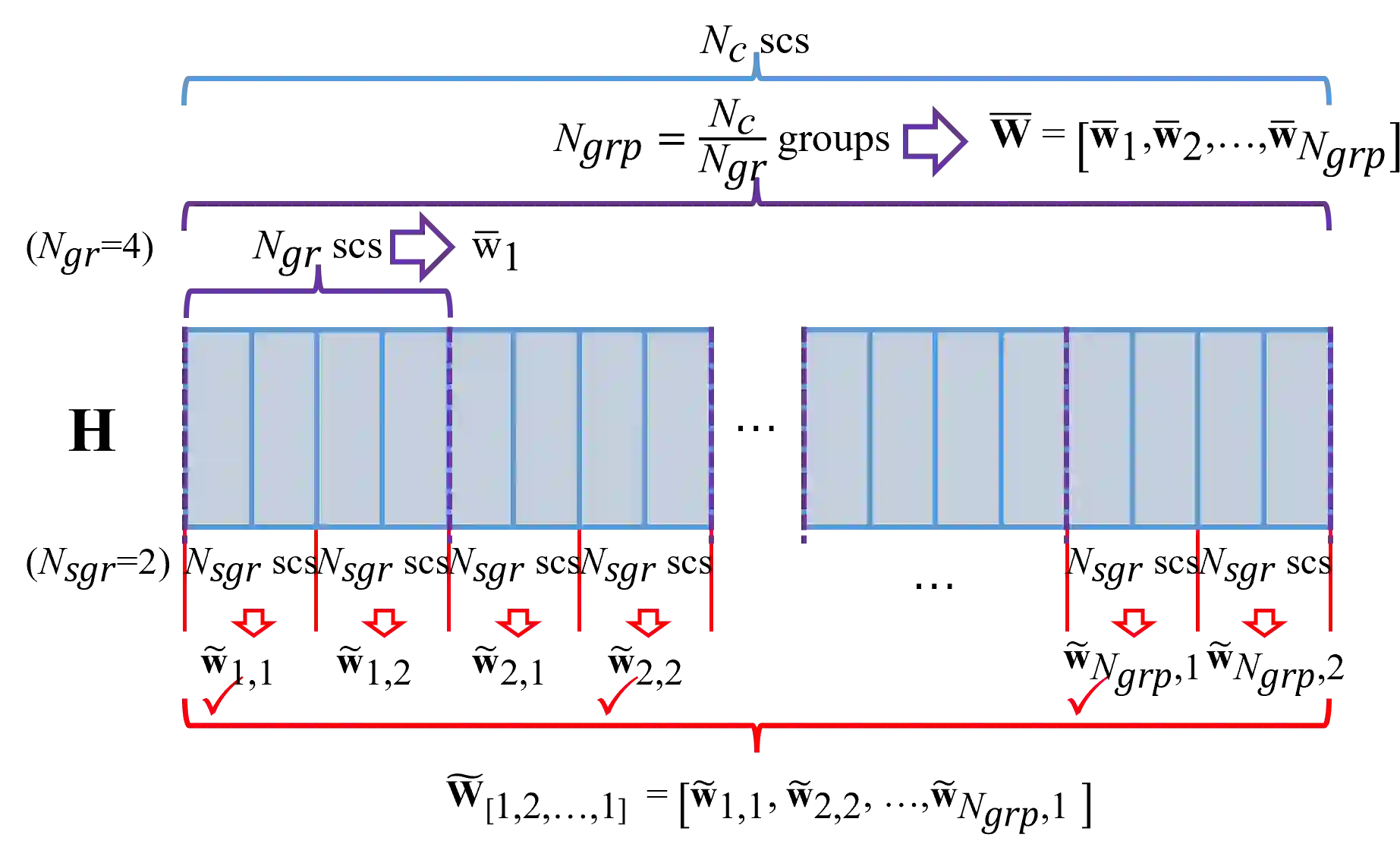
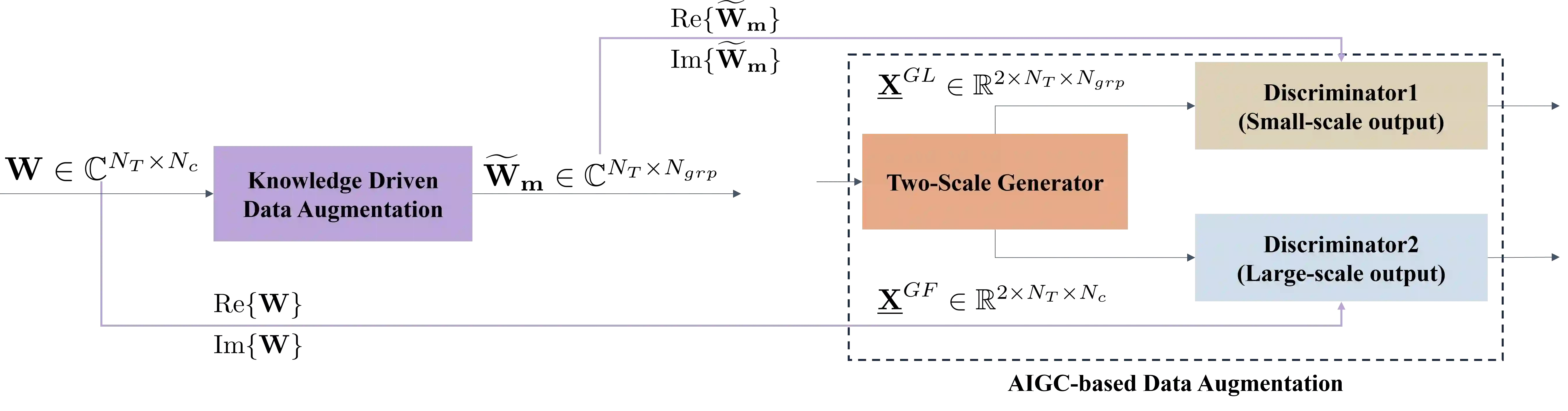
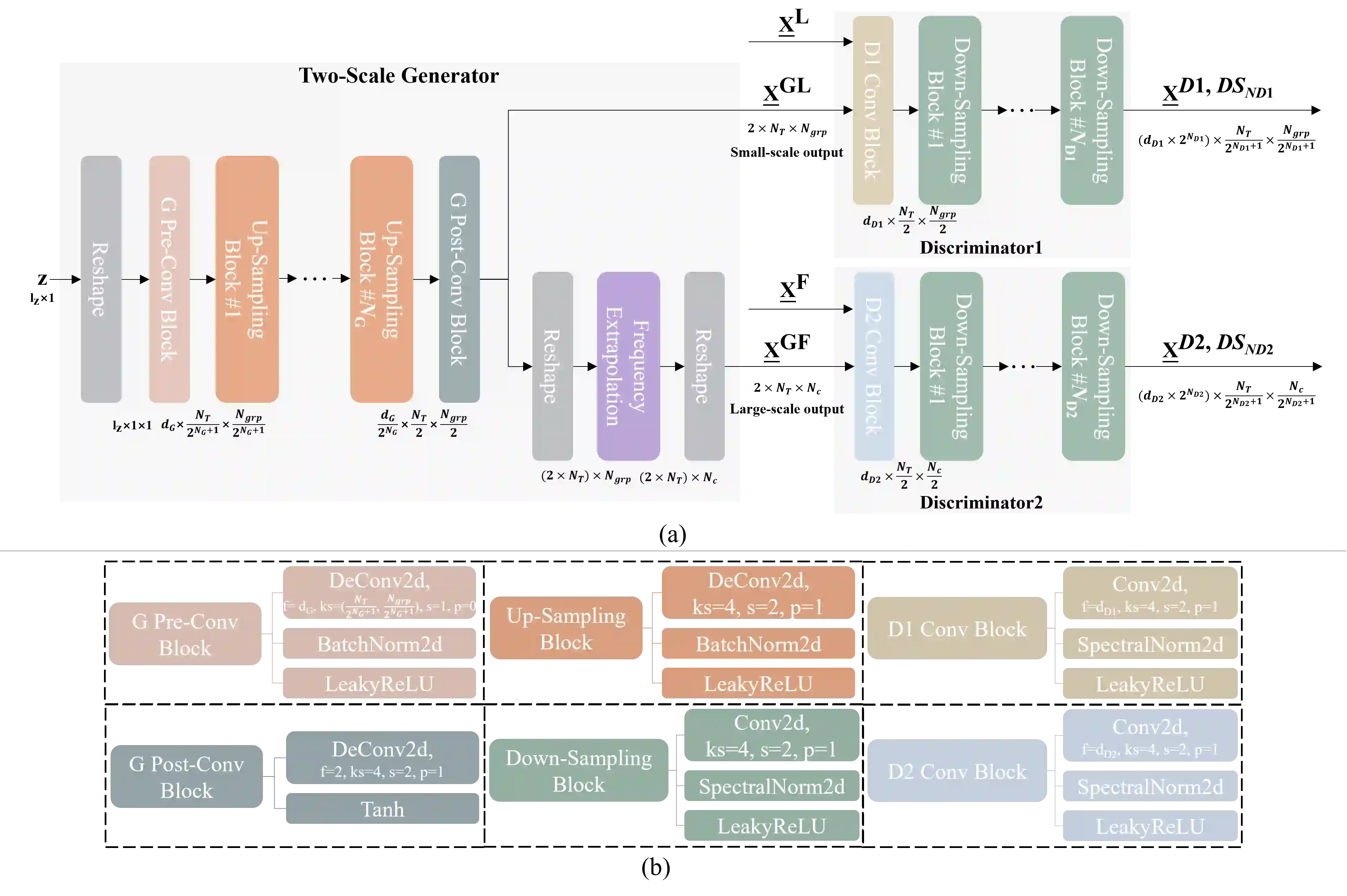
Accurate channel state information (CSI) is essential for downlink precoding in frequency division duplexing (FDD) massive multiple-input multiple-output (MIMO) systems with orthogonal frequency-division multiplexing (OFDM). However, obtaining CSI through feedback from the user equipment (UE) becomes challenging with the increasing scale of antennas and subcarriers and leads to extremely high CSI feedback overhead. Deep learning-based methods have emerged for compressing CSI but these methods generally require substantial collected samples and thus pose practical challenges. Moreover, existing deep learning methods also suffer from dramatically growing feedback overhead owing to their focus on full-dimensional CSI feedback. To address these issues, we propose a low-overhead Incorporation-Extrapolation based Few-Shot CSI feedback Framework (IEFSF) for massive MIMO systems. An incorporation-extrapolation scheme for eigenvector-based CSI feedback is proposed to reduce the feedback overhead. Then, to alleviate the necessity of extensive collected samples and enable few-shot CSI feedback, we further propose a knowledge-driven data augmentation (KDDA) method and an artificial intelligence-generated content (AIGC) -based data augmentation method by exploiting the domain knowledge of wireless channels and by exploiting a novel generative model, respectively. Experimental results based on the DeepMIMO dataset demonstrate that the proposed IEFSF significantly reduces CSI feedback overhead by 64 times compared with existing methods while maintaining higher feedback accuracy using only several hundred collected samples.
翻译:在采用正交频分复用(OFDM)的频分双工(FDD)大规模多输入多输出(MIMO)系统中,准确的信道状态信息(CSI)对于下行链路预编码至关重要。然而,随着天线和子载波规模的增加,通过用户设备(UE)反馈获取CSI变得具有挑战性,并导致极高的CSI反馈开销。基于深度学习的方法已用于压缩CSI,但这些方法通常需要大量采集的样本,因此带来了实际挑战。此外,现有的深度学习方法由于专注于全维度CSI反馈,其反馈开销也急剧增加。为解决这些问题,我们提出了一种用于大规模MIMO系统的基于融合外推的低开销少样本CSI反馈框架(IEFSF)。本文提出了一种基于特征向量的CSI反馈的融合外推方案,以降低反馈开销。接着,为减轻对大量采集样本的需求并实现少样本CSI反馈,我们分别通过利用无线信道的领域知识和一种新颖的生成模型,进一步提出了知识驱动的数据增强(KDDA)方法和基于人工智能生成内容(AIGC)的数据增强方法。基于DeepMIMO数据集的实验结果表明,与现有方法相比,所提出的IEFSF仅使用数百个采集样本,在保持更高反馈精度的同时,将CSI反馈开销显著降低了64倍。




相关内容




 微信扫码咨询专知VIP会员