

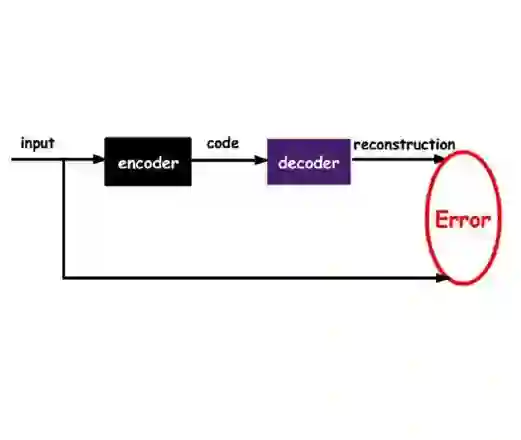
The Internet of Things (IoT) presents a unique cybersecurity challenge due to its vast network of interconnected, resource-constrained devices. These vulnerabilities not only threaten data integrity but also the overall functionality of IoT systems. This study addresses these challenges by exploring efficient data reduction techniques within a model-based intrusion detection system (IDS) for IoT environments. Specifically, the study explores the efficacy of an autoencoder's latent space combined with three different classification techniques. Utilizing a validated IoT dataset, particularly focusing on the Constrained Application Protocol (CoAP), the study seeks to develop a robust model capable of identifying security breaches targeting this protocol. The research culminates in a comprehensive evaluation, presenting encouraging results that demonstrate the effectiveness of the proposed methodologies in strengthening IoT cybersecurity with more than a 99% of precision using only 2 learned features.
翻译:物联网因其由大量互联且资源受限设备构成的庞大网络而带来独特的网络安全挑战。这些漏洞不仅威胁数据完整性,也危及物联网系统的整体功能。本研究通过探索物联网环境中基于模型的入侵检测系统内的高效数据降维技术来应对这些挑战。具体而言,本研究探究了自编码器潜在空间结合三种不同分类技术的有效性。利用经过验证的物联网数据集(特别聚焦于受限应用协议),本研究致力于开发能够识别针对该协议的安全威胁的鲁棒模型。研究最终进行了全面评估,呈现了令人鼓舞的结果:仅使用2个学习特征即达到超过99%的精确率,证明了所提方法在增强物联网网络安全方面的有效性。




相关内容



 微信扫码咨询专知VIP会员