

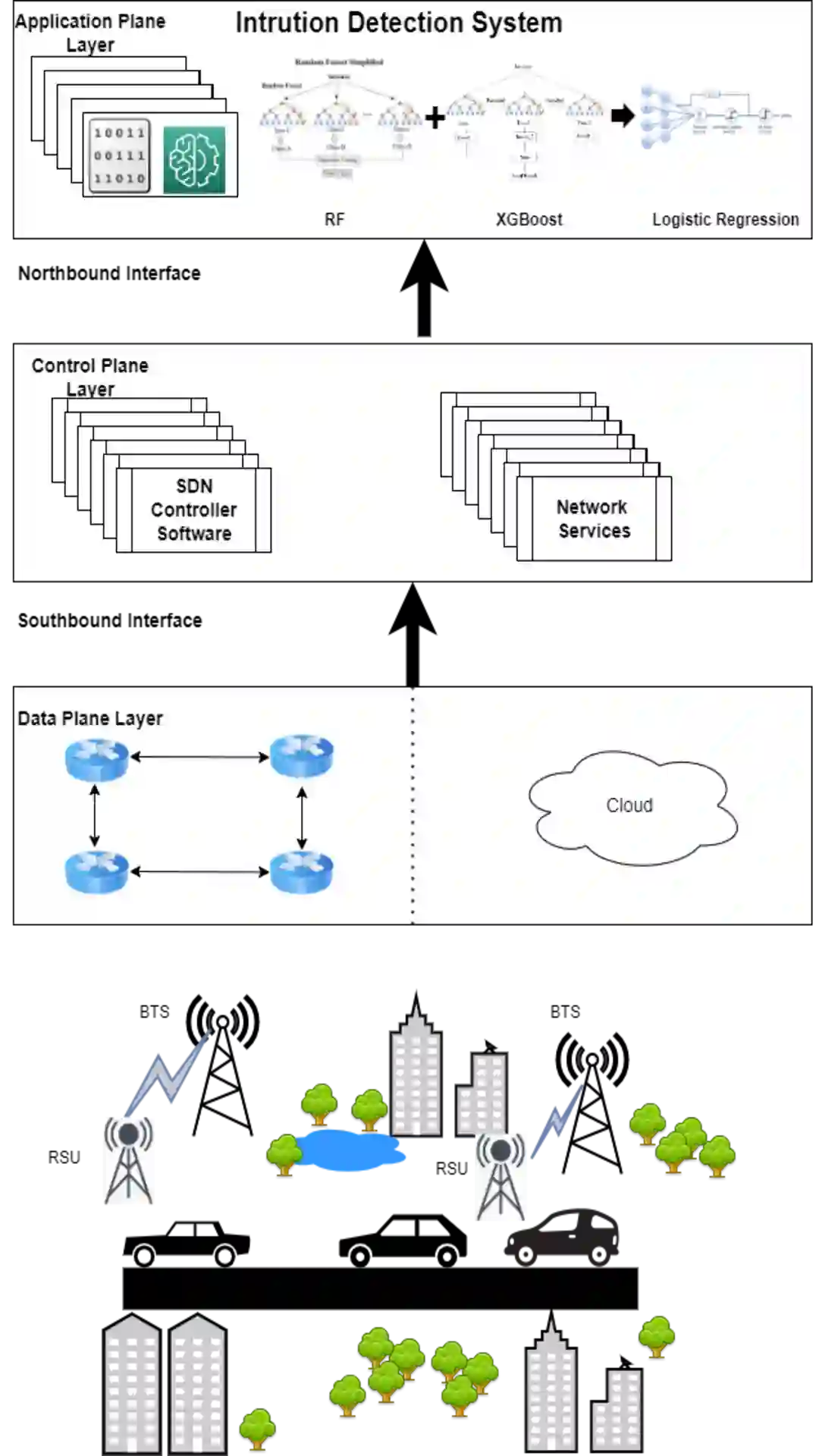
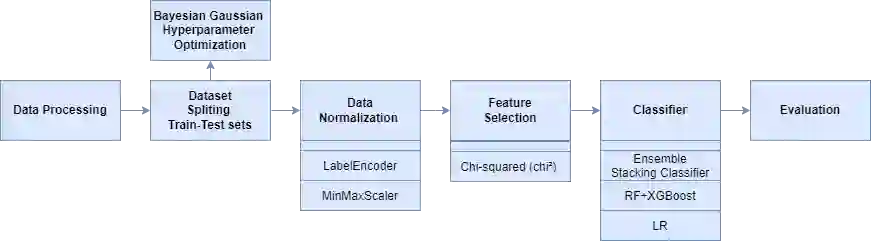
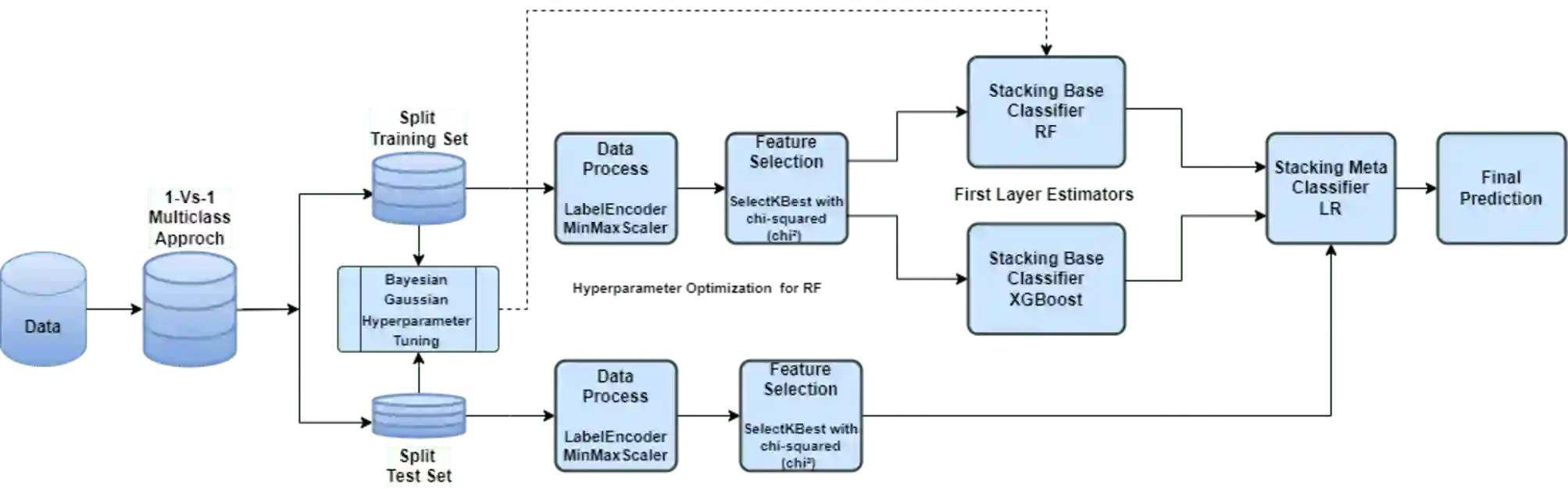
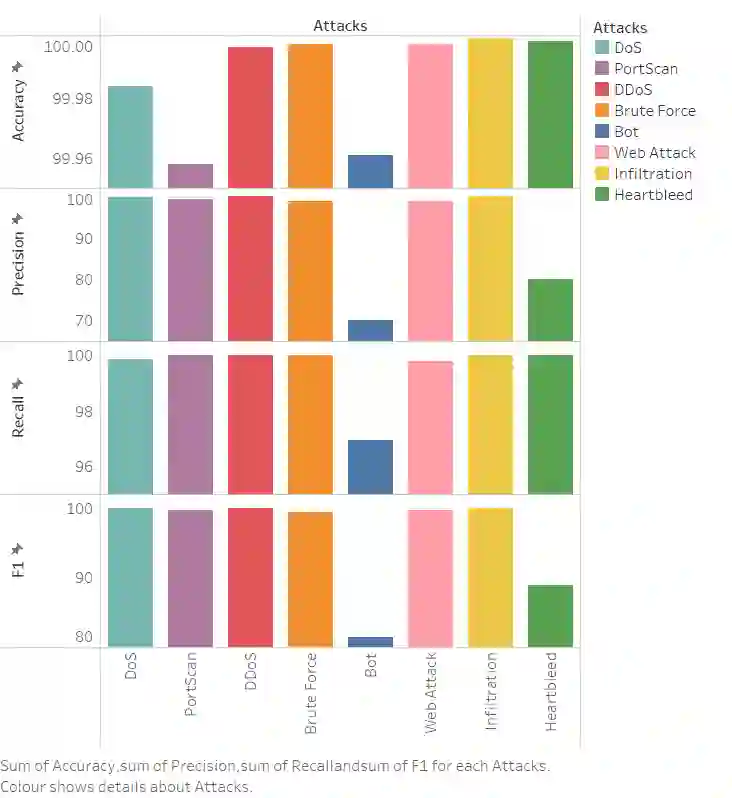
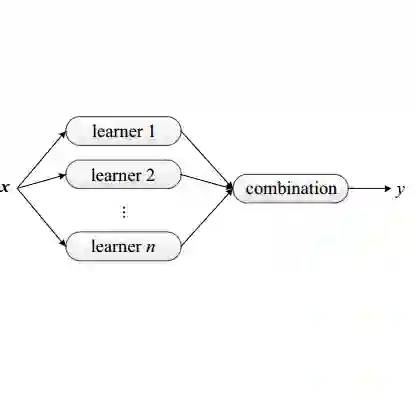
Intrusion Detection Systems (IDS) are widely employed to detect and mitigate external network security events. VANETs (Vehicle ad-hoc Networks) are evolving, especially with the development of Connected Autonomous Vehicles (CAVs). So, it is crucial to assess how traditional IDS approaches can be utilised for emerging technologies. To address this concern, our work presents a stacked ensemble learning approach for IDS, which combines multiple machine learning algorithms to detect threats more effectively than single algorithm methods. Using the CICIDS2017 and the VeReMi benchmark data sets, we compare the performance of our approach with existing machine learning methods and find that it is more accurate at identifying threats. Our method also incorporates hyperparameter optimization and feature selection to improve its performance further. Overall, our results suggest that stacked ensemble learning is a promising technique for enhancing the effectiveness of IDS.
翻译:入侵检测系统(IDS)被广泛用于检测和缓解外部网络安全事件。车载自组网(VANET)正在不断发展,特别是在网联自动驾驶车辆(CAV)发展的推动下。因此,评估传统入侵检测方法如何应用于新兴技术至关重要。为解决这一问题,本研究提出了一种基于堆叠集成学习的入侵检测方法,该方法通过组合多种机器学习算法,比单一算法能够更有效地检测威胁。基于CICIDS2017和VeReMi基准数据集,我们将所提方法与现有机器学习方法进行了性能对比,发现其在威胁识别方面具有更高的准确性。此外,该方法还整合了超参数优化与特征选择以进一步提升性能。总体而言,研究结果表明,堆叠集成学习是提升入侵检测系统有效性的重要技术途径。




相关内容


 微信扫码咨询专知VIP会员