

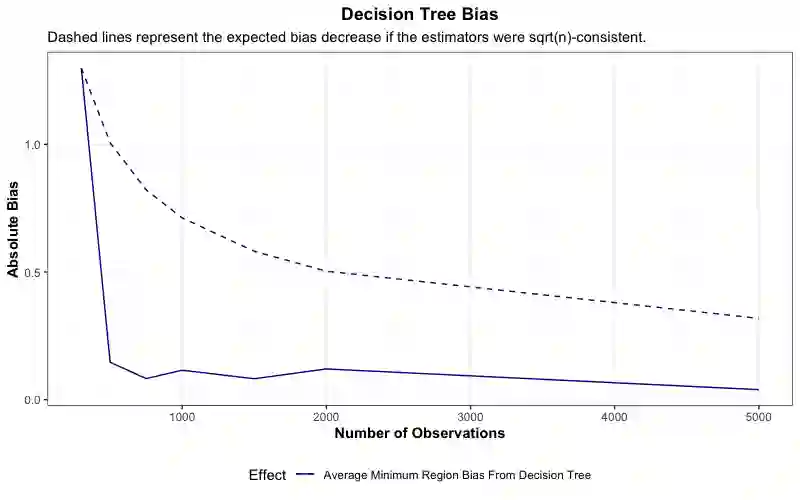
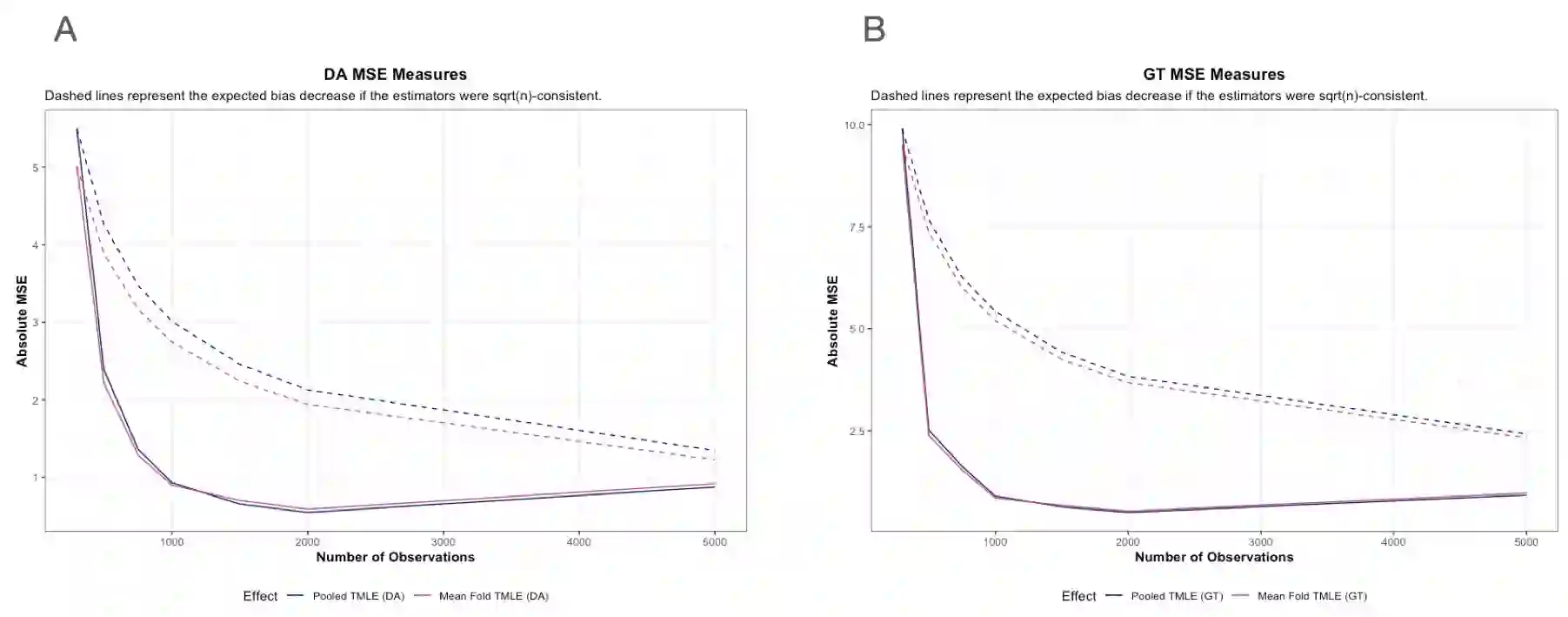
Traditional regulations of chemical exposure tend to focus on single exposures, overlooking the potential amplified toxicity due to multiple concurrent exposures. We are interested in understanding the average outcome if exposures were limited to fall under a multivariate threshold. Because threshold levels are often unknown a priori, we provide an algorithm that finds exposure threshold levels where the expected outcome is maximized or minimized. Because both identifying thresholds and estimating policy effects on the same data would lead to overfitting bias, we also provide a data-adaptive estimation framework, which allows for both threshold discovery and policy estimation. Simulation studies show asymptotic convergence to the optimal exposure region and to the true effect of an intervention. We demonstrate how our method identifies true interactions in a public synthetic mixture data set. Finally, we applied our method to NHANES data to discover metal exposures that have the most harmful effects on telomere length. We provide an implementation in the CVtreeMLE R package.
翻译:传统的化学暴露监管往往聚焦于单一暴露,忽视了多种并发暴露可能导致的毒性放大效应。本研究旨在探究当暴露被限制在多元阈值以下时的平均结局。由于阈值水平通常先验未知,我们提出了一种算法,用于寻找使期望结局最大化或最小化的暴露阈值水平。由于在同一数据上同时识别阈值和估计政策效应会导致过拟合偏差,我们还提供了一个数据自适应估计框架,该框架允许同时进行阈值发现和政策效应估计。模拟研究表明,该方法能渐近收敛至最优暴露区域及干预的真实效应。我们在一个公开的合成混合物数据集上展示了本方法如何识别真实的交互作用。最后,我们将该方法应用于NHANES数据,以发现对端粒长度具有最有害影响的金属暴露。我们在CVtreeMLE R包中提供了该方法的实现。




相关内容



 微信扫码咨询专知VIP会员