

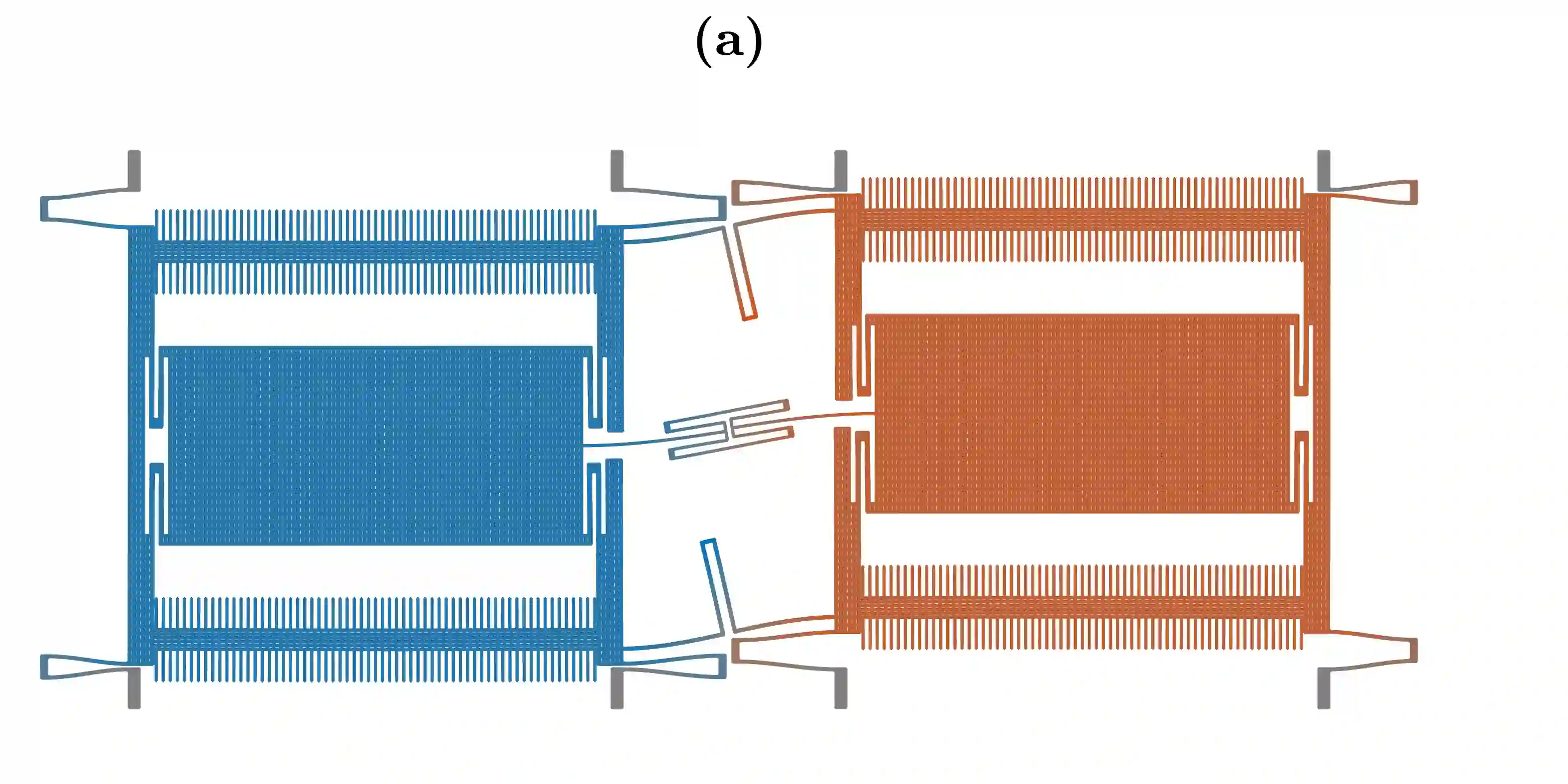
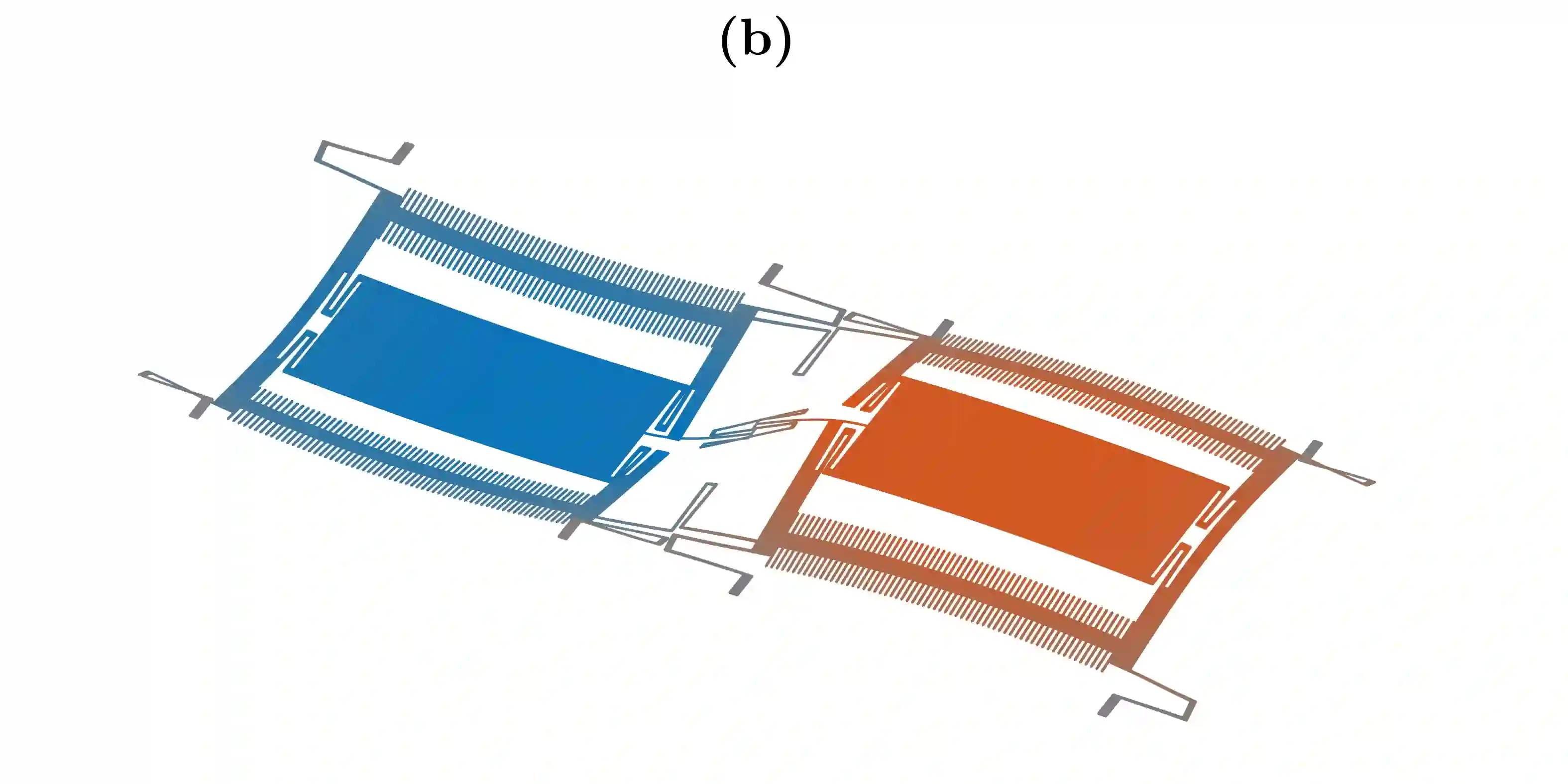
Microelectromechanical systems (MEMS) gyroscopes are widely used in consumer and automotive applications. They have to fulfill a vast number of product requirements which lead to complex mechanical designs of the resonating structure. Arriving at a final design is a cumbersome process that relies heavily on human experience in conjunction with design optimization methods. In this work, we apply node-based shape optimization to the design of a MEMS gyroscope. For that purpose, we parametrize the coordinates of the nodes of the finite element method (FEM) mesh that discretize the shapes of the springs. We then implement the gradients of the mechanical eigenfrequencies and typical MEMS manufacturability constraints, with respect to the design parameters, in a FEM code. Using gradient-based optimization we tune the gyroscope's frequency split and shift spurious modes away from the first three multiples of the gyroscope's drive frequency while manufacturability constraints are fulfilled. The resulting optimized design exhibits novel geometrical shapes which defy any human intuition. Overall, we demonstrate that shape optimization can not only solve optimization problems in MEMS design without required human intervention, but also explores geometry solutions which can otherwise not be addressed. In this way, node-based shape optimization opens up a much larger space of possible design solutions, which is crucial for facing the ever increasing product requirements. Our approach is generic and applicable to many other types of MEMS resonators.
翻译:微机电系统(MEMS)陀螺仪广泛应用于消费电子和汽车领域。这类器件需满足大量产品要求,导致谐振结构的设计日益复杂。当前最终方案的确定高度依赖设计优化方法辅以人工经验,过程繁琐低效。本研究将基于节点的形状优化应用于MEMS陀螺仪设计。为此,我们参数化了离散化弹簧形状的有限元网格节点坐标,并在有限元代码中实现了机械特征频率及典型MEMS可制造性约束相对于设计参数的梯度。通过基于梯度的优化,我们在满足可制造性约束的条件下,调整陀螺仪的频率分离度,并将杂散模态移出陀螺仪驱动频率前三倍频范围。优化得到的最终设计呈现出反直觉的新型几何形状。本研究证明,形状优化不仅能无需人工干预解决MEMS设计优化问题,还可探索传统方法无法获取的几何构型方案。基于节点的形状优化因此开拓了更广阔的设计可能空间,这对应对日益严苛的产品要求至关重要。本方法具有通用性,可推广至多种MEMS谐振器设计。




相关内容



 微信扫码咨询专知VIP会员