

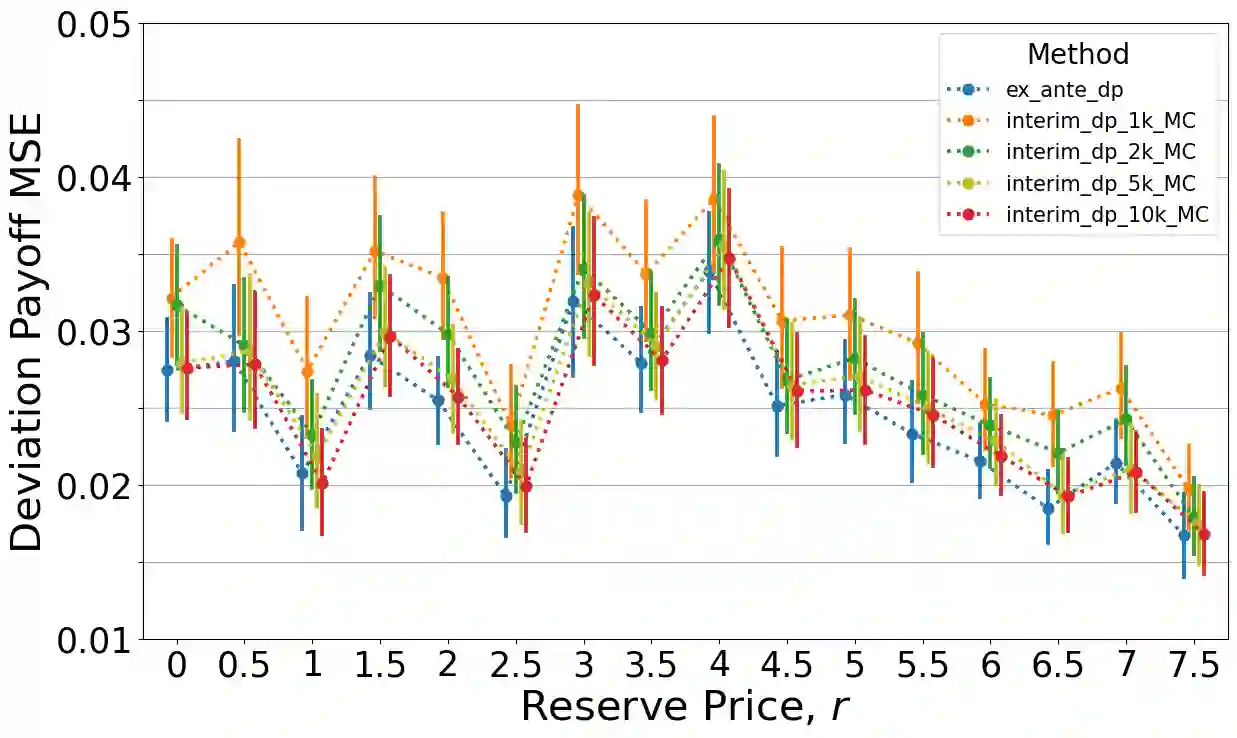
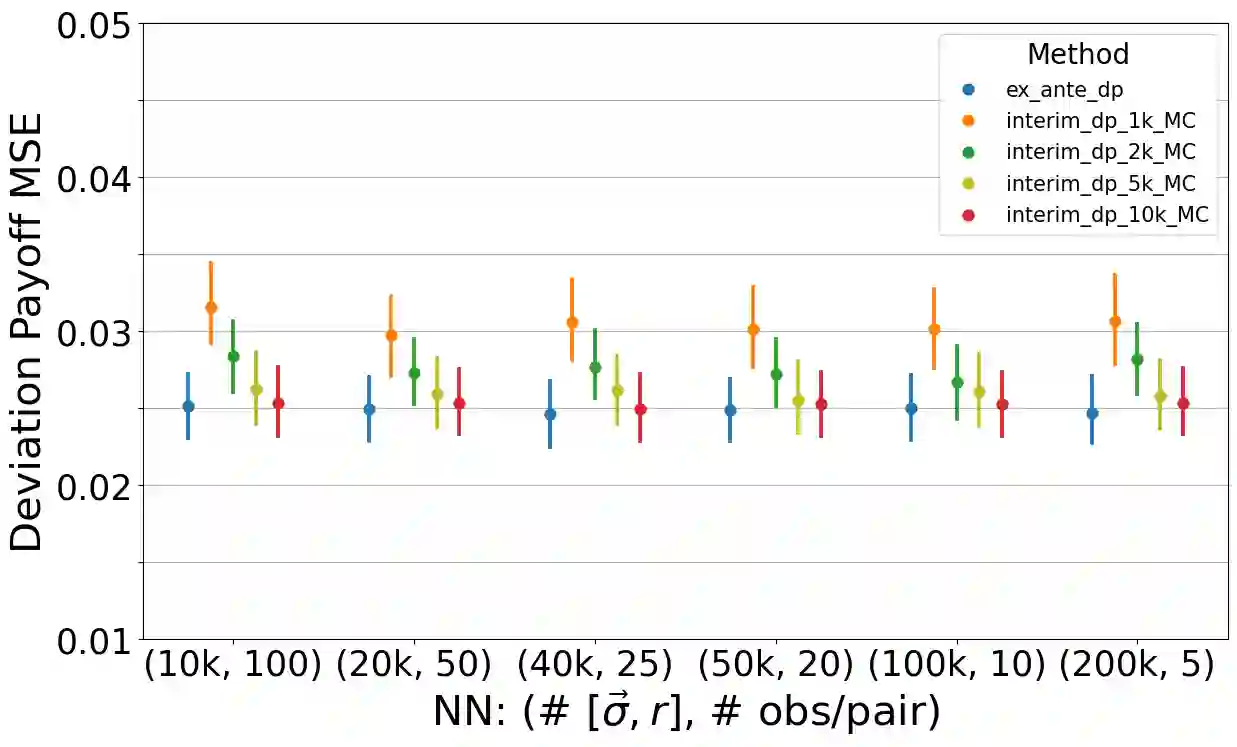
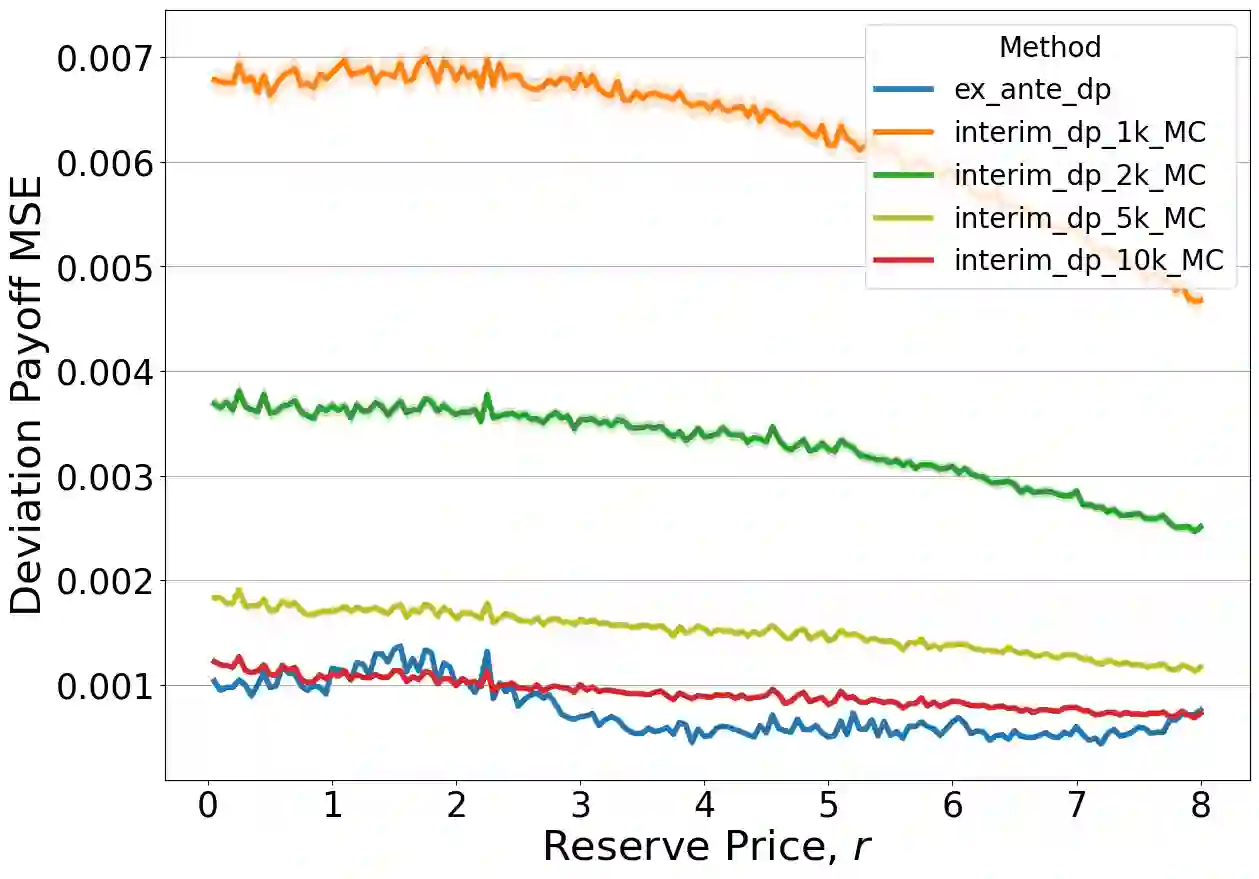
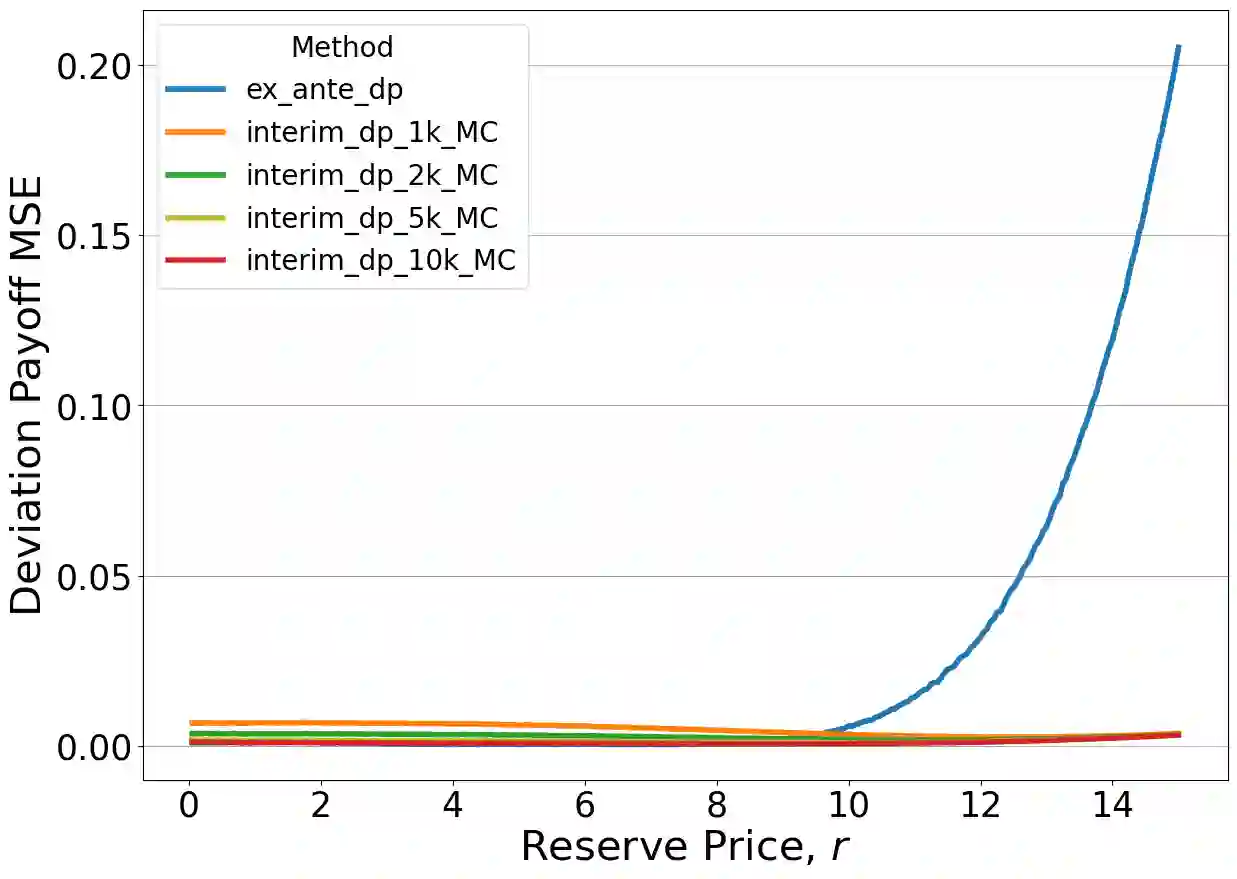
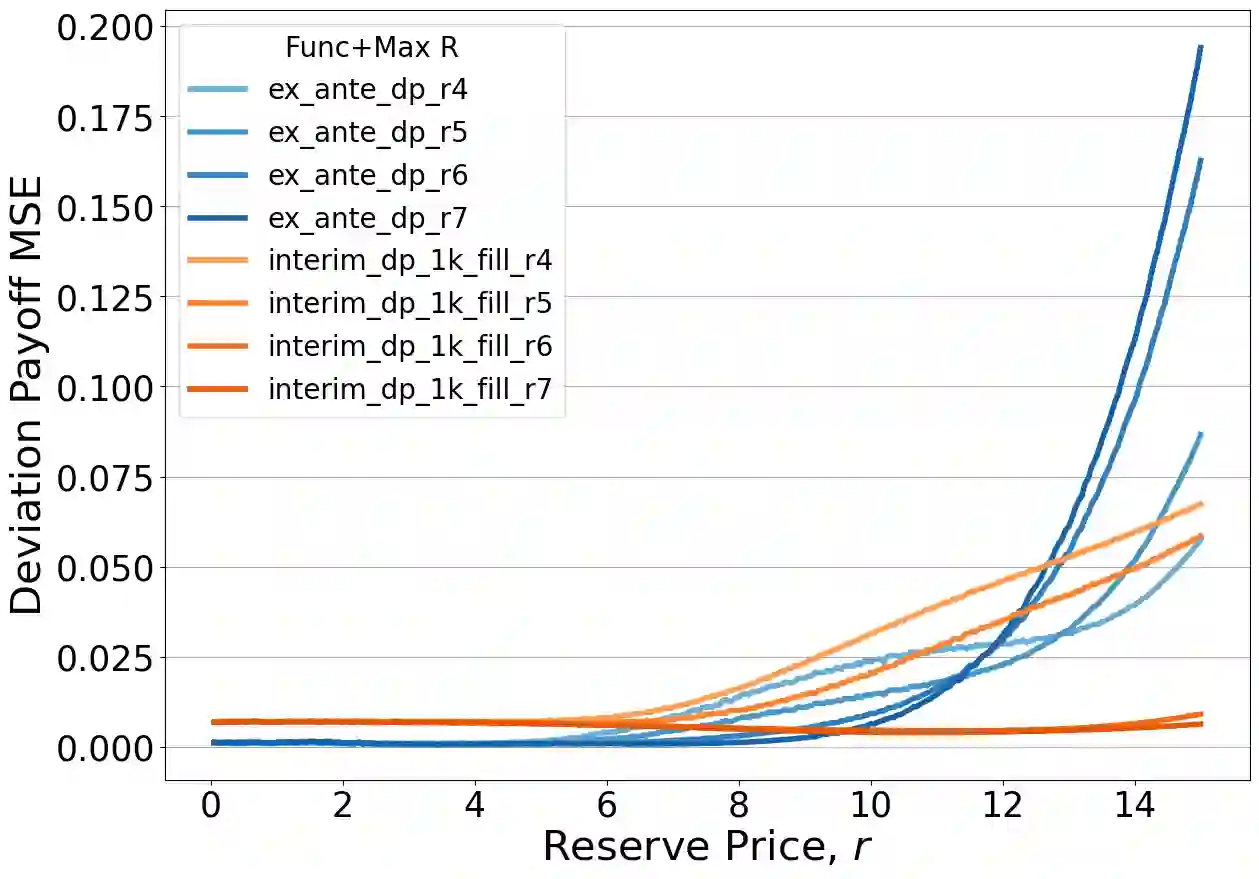
Learning or estimating game models from data typically entails inducing separate models for each setting, even if the games are parametrically related. In empirical mechanism design, for example, this approach requires learning a new game model for each candidate setting of the mechanism parameter. Recent work has shown the data efficiency benefits of learning a single parameterized model for families of related games. In Bayesian games -- a typical model for mechanism design -- payoffs depend on both the actions and types of the players. We show how to exploit this structure by learning an interim game-family model that conditions on a single player's type. We compare this to the baseline approach of directly learning the ex ante payoff function, which gives payoffs in expectation of all player types. By marginalizing over player type, the interim model can also provide ex ante payoff predictions, as necessary for Bayes-Nash equilibrium approximation. We also leverage the interim model to compute new beneficial piecewise best-response strategies, without any additional sample data. We validate our method through a case study of a dynamic sponsored search auction. For both payoff accuracy and Nash-approximation error, the interim model matches the ex ante model on the trained range, and outperforms ex ante in extrapolation. Our case study demonstrates that Bayesian game-family models can support comprehensive mechanism design, and that through interim-stage modeling we can enhance expressivity and reliability.
翻译:从数据中学习或估计博弈模型通常需要为每种设定分别归纳独立模型,即使这些博弈在参数上存在关联。例如在经验机制设计中,这种方案需要对每个候选机制参数设定学习新的博弈模型。近期研究展示了为关联博弈族学习单一参数化模型在数据效率上的优势。在作为机制设计典型模型的贝叶斯博弈中,收益同时取决于参与者的行动与类型。我们揭示了如何通过构建以单个参与者类型为条件的阶段博弈族模型来利用这一结构。将该方法与直接学习先验收益函数的基线方法(该函数给出所有参与者类型的预期收益)进行比较。通过对参与者类型进行边际化,阶段模型同样能提供必要的先验收益预测以实现贝叶斯-纳什均衡近似。我们还利用阶段模型在无需额外样本数据的情况下计算新型有利分段最优响应策略。通过动态赞助搜索拍卖的案例研究验证了方法有效性:在收益精度和纳什近似误差两方面,阶段模型在训练范围内与先验模型性能相当,并在外推场景中表现更优。案例研究表明贝叶斯博弈族模型可支持全面的机制设计,而通过阶段建模能提升模型的表达力与可靠性。




相关内容


 微信扫码咨询专知VIP会员