

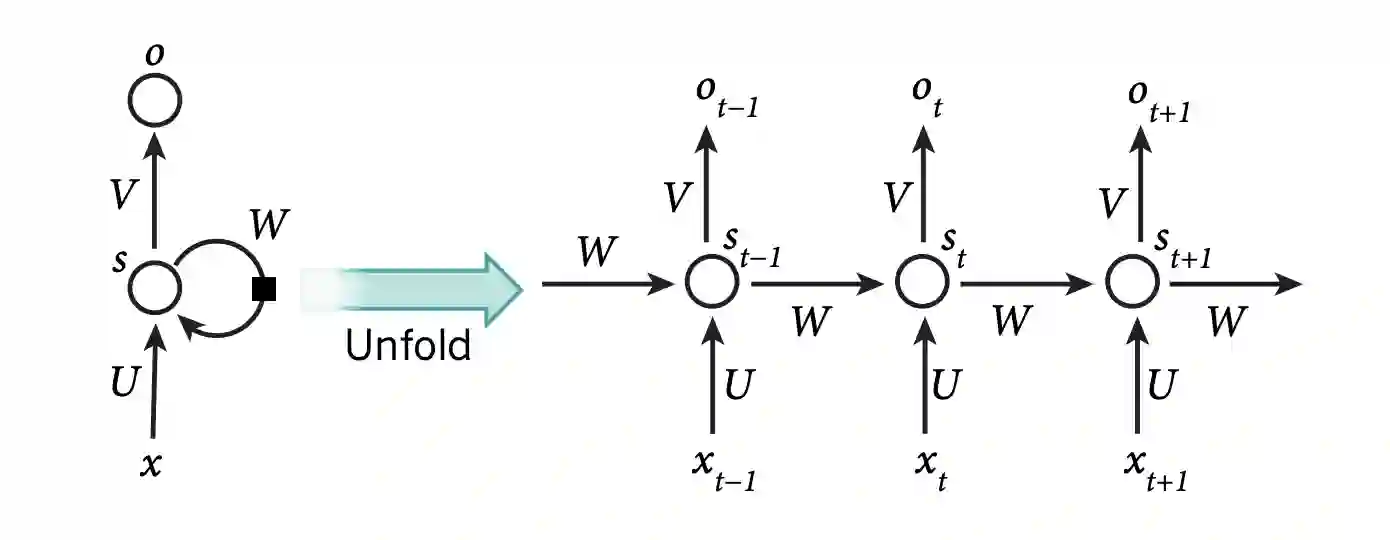
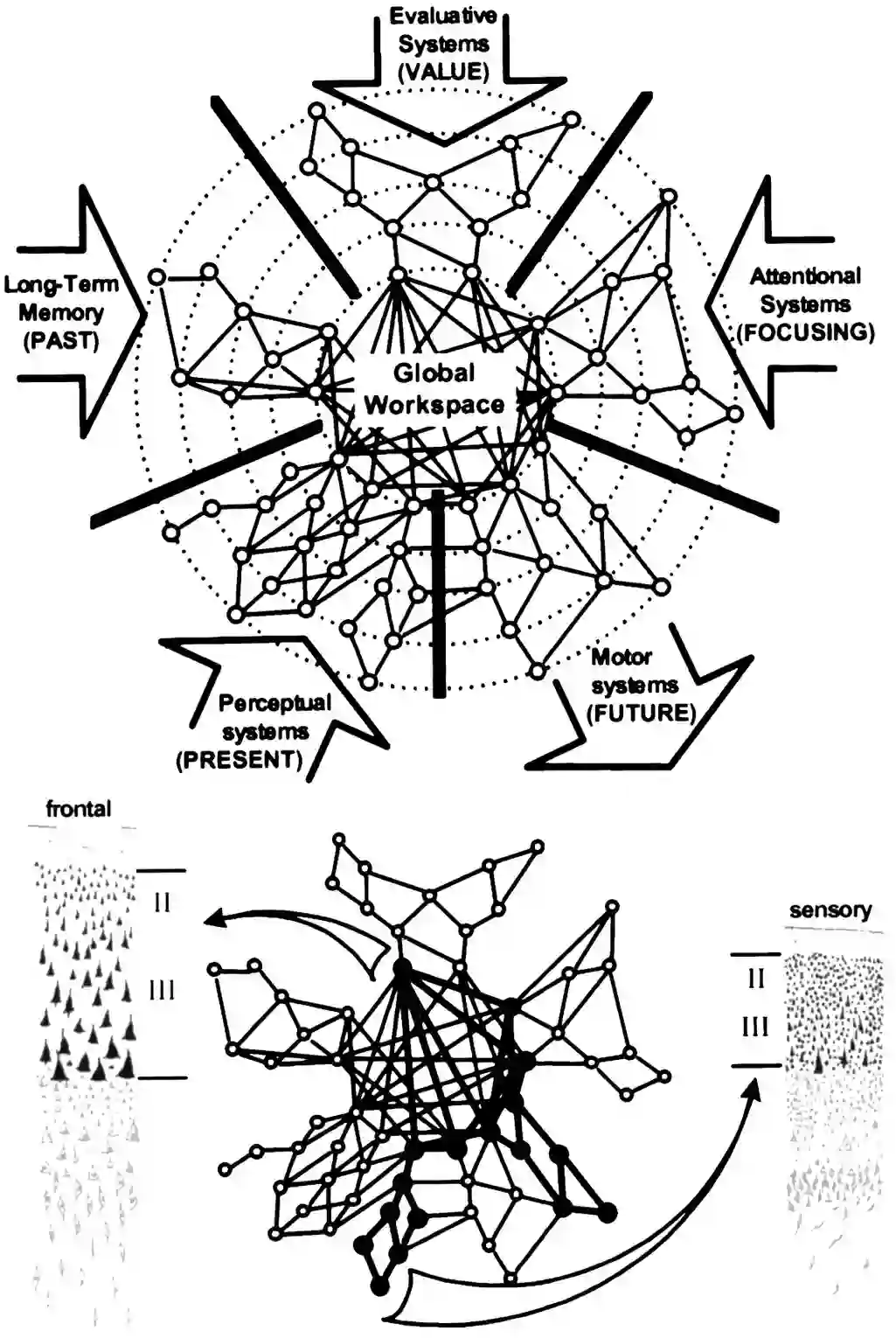
Whether current or near-term AI systems could be conscious is a topic of scientific interest and increasing public concern. This report argues for, and exemplifies, a rigorous and empirically grounded approach to AI consciousness: assessing existing AI systems in detail, in light of our best-supported neuroscientific theories of consciousness. We survey several prominent scientific theories of consciousness, including recurrent processing theory, global workspace theory, higher-order theories, predictive processing, and attention schema theory. From these theories we derive "indicator properties" of consciousness, elucidated in computational terms that allow us to assess AI systems for these properties. We use these indicator properties to assess several recent AI systems, and we discuss how future systems might implement them. Our analysis suggests that no current AI systems are conscious, but also suggests that there are no obvious technical barriers to building AI systems which satisfy these indicators.
翻译:当前或近期的AI系统是否可能具备意识,是一个引发科学兴趣且日益受到公众关注的问题。本报告主张并示例了一种严谨且基于经验的AI意识研究方法:基于我们最受支持的神经营销学意识理论,对现有AI系统进行详细评估。我们梳理了数种主流科学意识理论,包括循环处理理论、全局工作空间理论、高阶理论、预测处理与注意力图式理论。从这些理论中,我们提炼出意识的"指示属性",并以计算术语加以阐释,从而能够评估AI系统是否具备这些属性。我们运用这些指示属性对近期多个AI系统进行评估,并探讨未来系统如何实现这些属性。分析表明,当前尚无AI系统具备意识,但同时指出,构建满足这些指示属性的AI系统并不存在明显的技术障碍。





相关内容




 微信扫码咨询专知VIP会员