

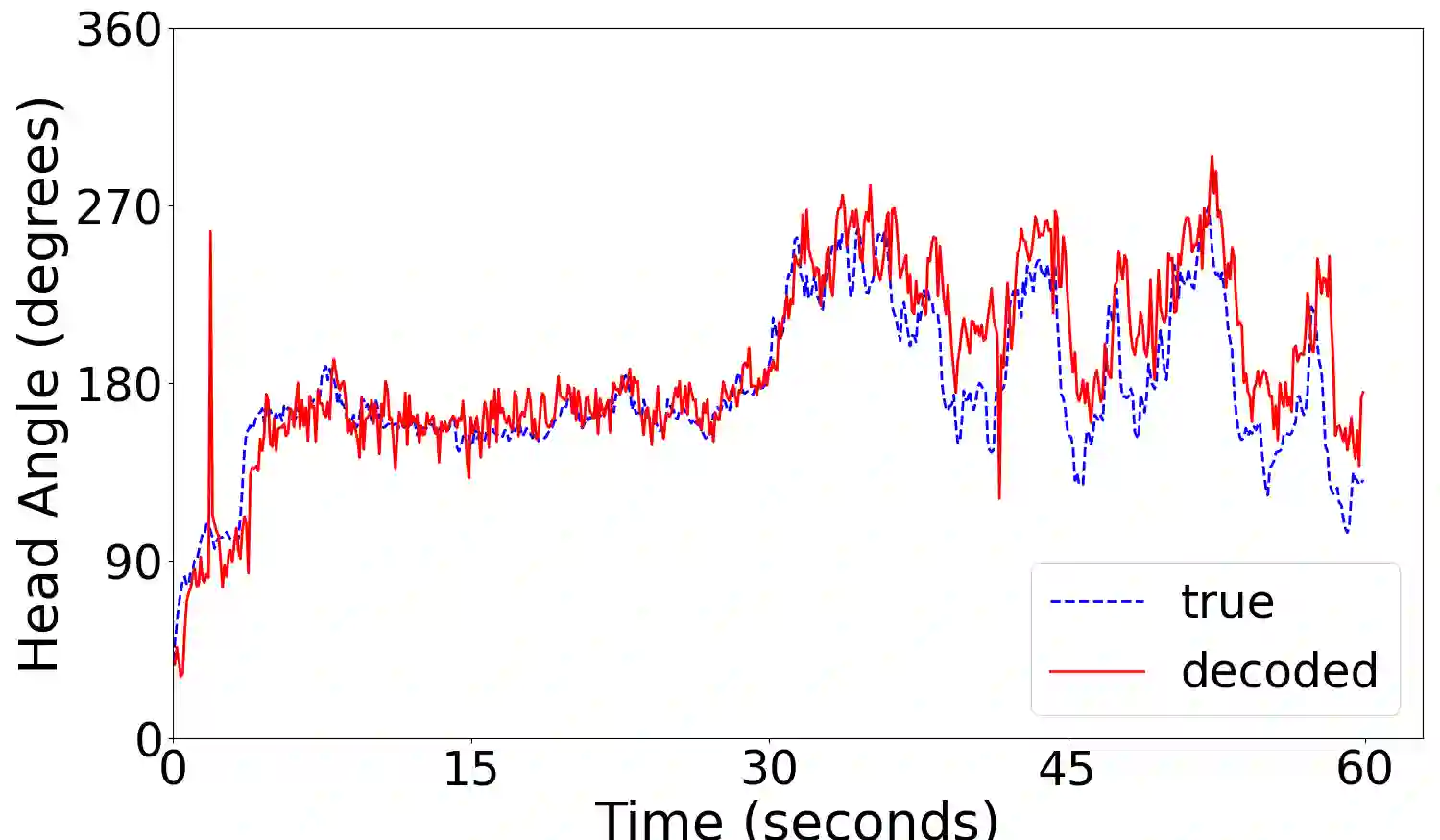
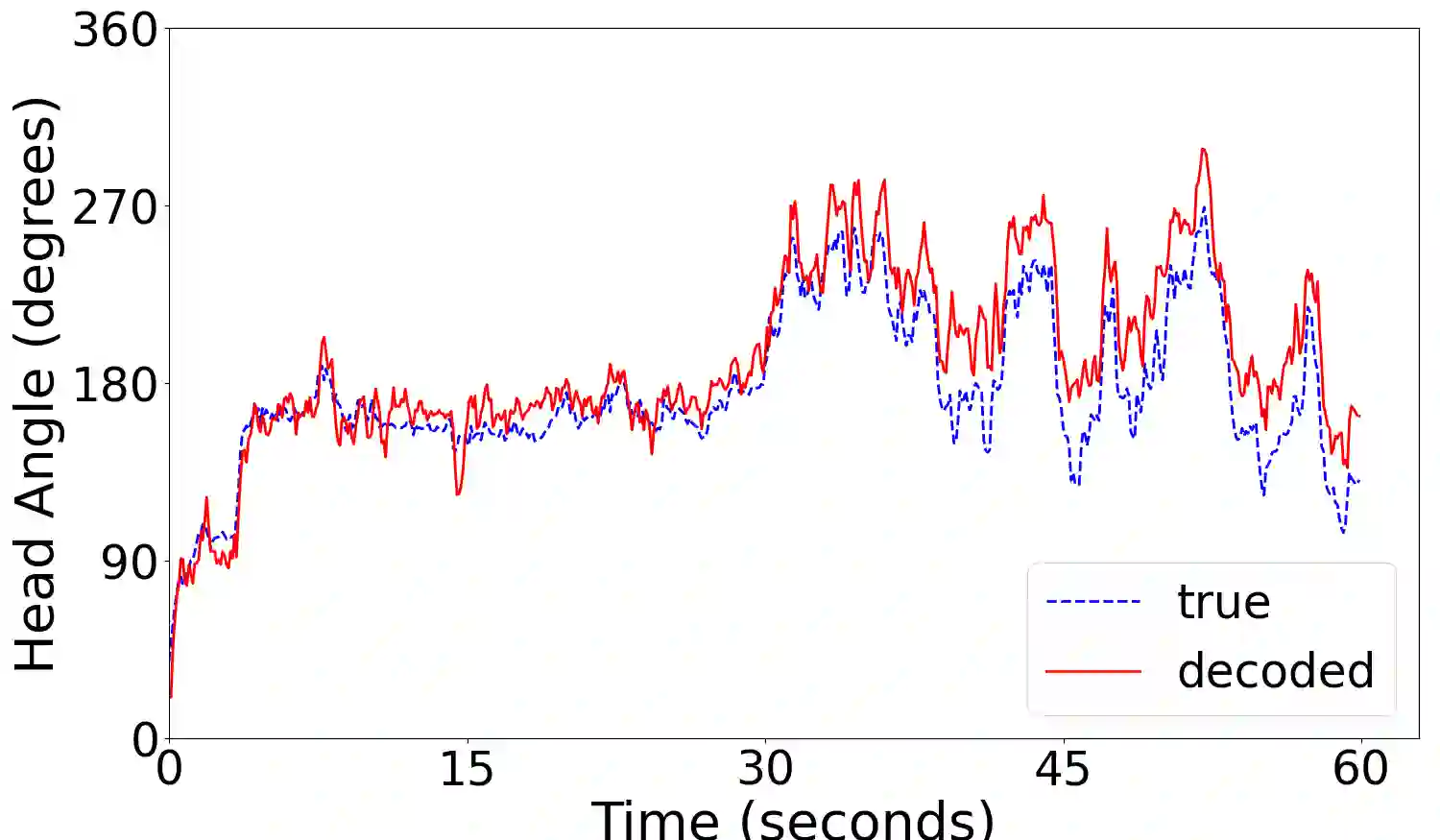
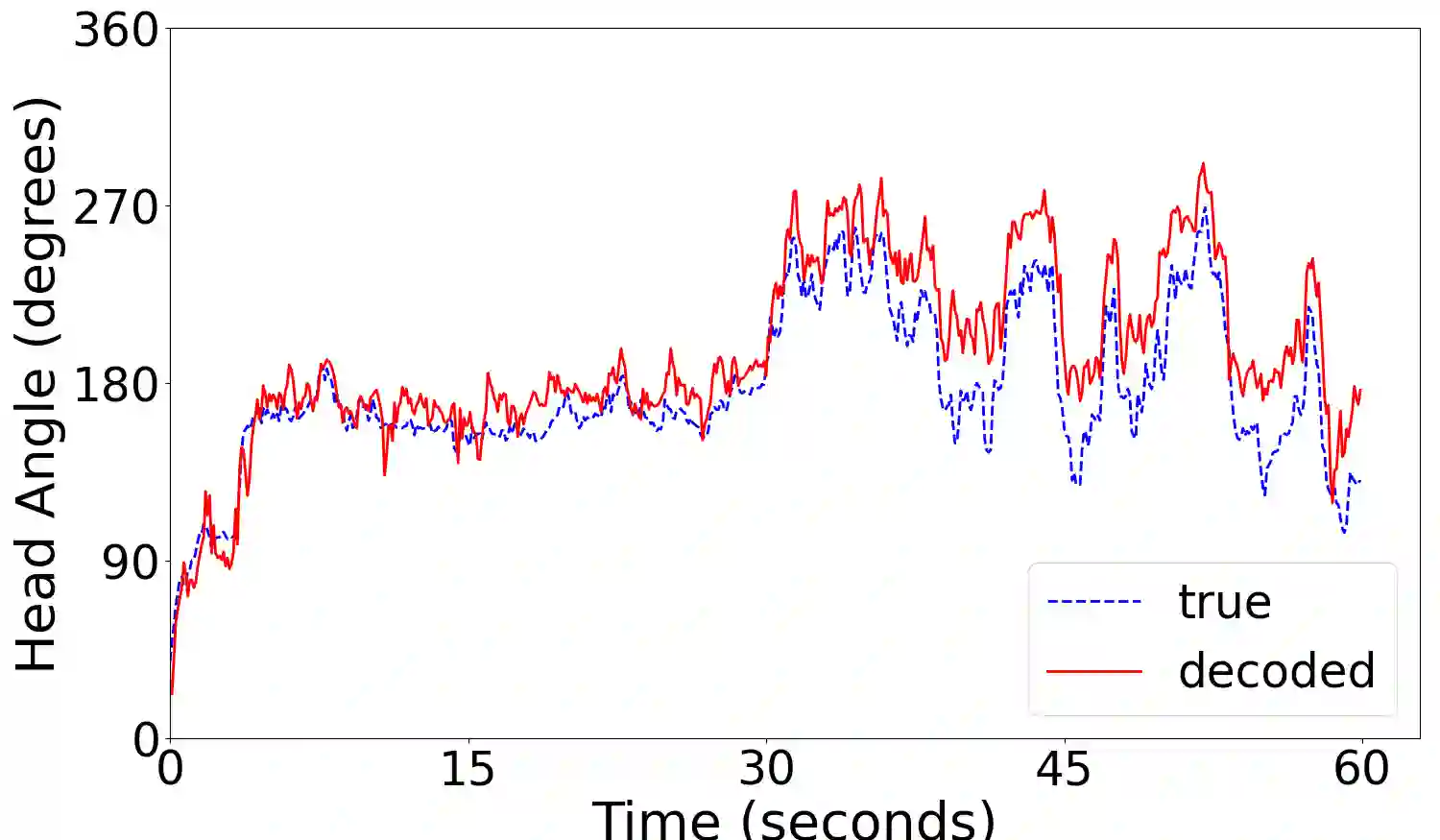
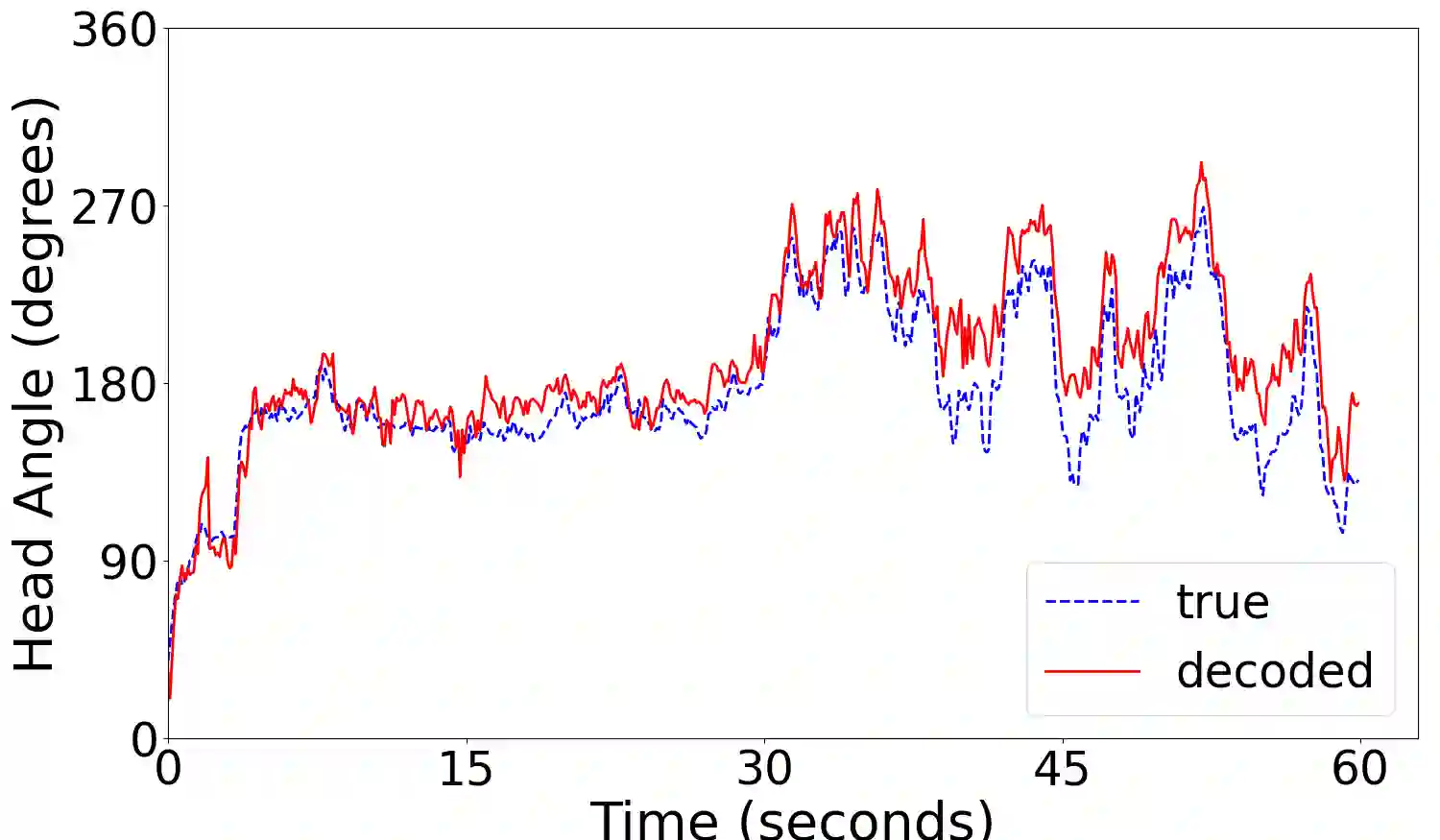
The brain's spatial orientation system uses different neuron ensembles to aid in environment-based navigation. Two of the ways brains encode spatial information is through head direction cells and grid cells. Brains use head direction cells to determine orientation whereas grid cells consist of layers of decked neurons that overlay to provide environment-based navigation. These neurons fire in ensembles where several neurons fire at once to activate a single head direction or grid. We want to capture this firing structure and use it to decode head direction grid cell data. Understanding, representing, and decoding these neural structures requires models that encompass higher order connectivity, more than the 1-dimensional connectivity that traditional graph-based models provide. To that end, in this work, we develop a topological deep learning framework for neural spike train decoding. Our framework combines unsupervised simplicial complex discovery with the power of deep learning via a new architecture we develop herein called a simplicial convolutional recurrent neural network. Simplicial complexes, topological spaces that use not only vertices and edges but also higher-dimensional objects, naturally generalize graphs and capture more than just pairwise relationships. Additionally, this approach does not require prior knowledge of the neural activity beyond spike counts, which removes the need for similarity measurements. The effectiveness and versatility of the simplicial convolutional neural network is demonstrated on head direction and trajectory prediction via head direction and grid cell datasets.
翻译:大脑的空间定向系统利用不同的神经元集群辅助环境导航。大脑编码空间信息的两种方式是通过头部方向细胞和网格细胞。大脑利用头部方向细胞确定朝向,而网格细胞则由层层叠加的神经元层构成,通过重叠布局实现环境导航。这些神经元以集群方式放电,多个神经元同步激活以表征单个头部方向或网格单元。我们旨在捕获这种放电结构并用于解码头部方向与网格细胞数据。理解、表示及解码此类神经结构需要能捕捉高阶连接性的模型,超越传统图模型仅能提供的1维连接性。为此,本文开发了一个基于拓扑深度学习的神经脉冲序列解码框架。该框架通过我们新提出的简并卷积循环神经网络架构,将无监督简并复形发现与深度学习能力相结合。简并复形作为拓扑空间,不仅包含顶点和边,还引入高维对象,自然推广了图结构,能捕获超越成对关系的高阶关联。此外,该方法无需除脉冲计数外的神经活动先验知识,省去了相似性测量的需求。通过头部方向与网格细胞数据集的头部方向及轨迹预测实验,验证了简并卷积神经网络的有效性与通用性。





相关内容




 微信扫码咨询专知VIP会员