

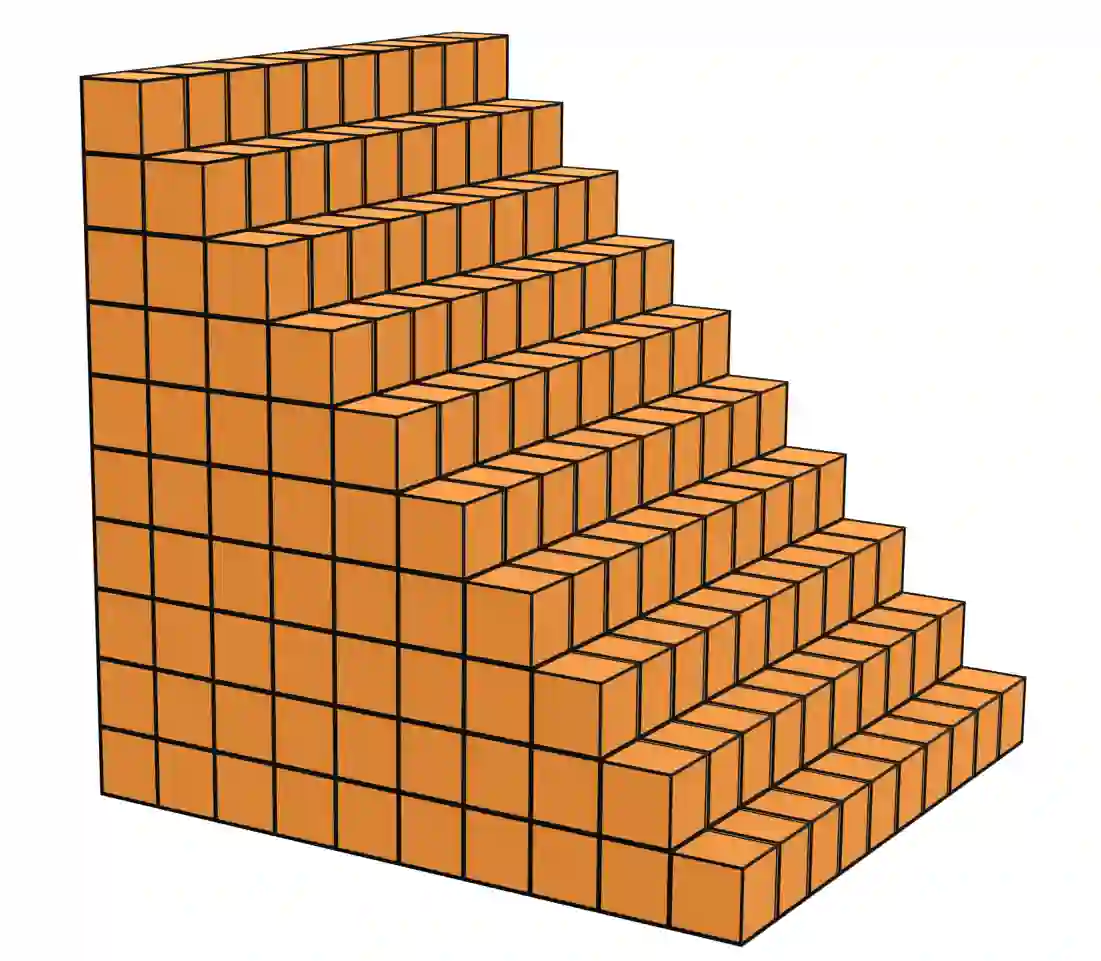
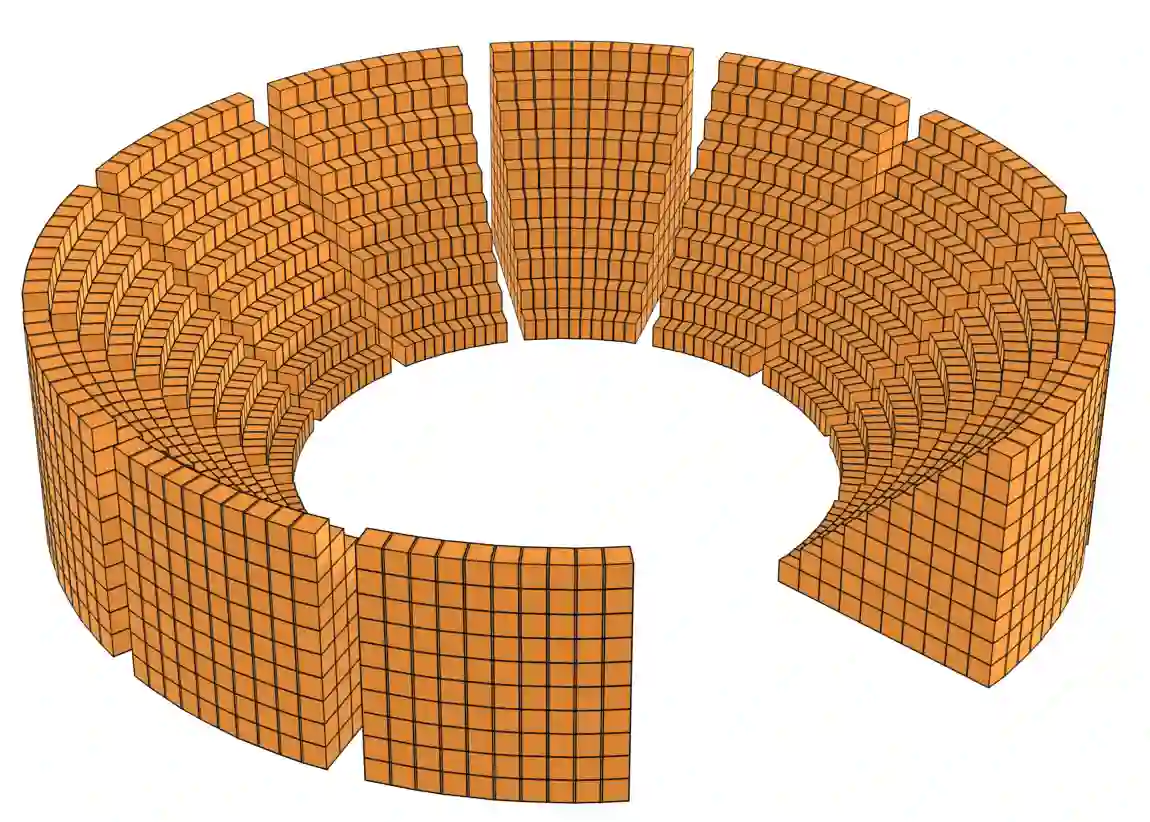
We present a computational problem with the following properties: (i) Every instance can be solved with near-certainty by a constant-depth quantum circuit using only nearest-neighbor gates in 3D even when its implementation is corrupted by noise. (ii) Any constant-depth classical circuit composed of unbounded fan-in AND, OR, as well as NOT gates, i.e., an AC0-circuit, of size smaller than a certain subexponential, fails to solve a uniformly random instance with probability greater than a certain constant. Such an advantage against unbounded fan-in classical circuits was previously only known in the noise-free case or without locality constraints. We overcome these limitations, proposing a quantum advantage demonstration amenable to experimental realizations. Subexponential circuit-complexity lower bounds have traditionally been referred to as exponential. We use the term colossal since our fault-tolerant 3D architecture resembles a certain Roman monument.
翻译:我们提出一个具有以下性质的计算问题:(i)每个实例均可通过仅使用3D近邻门的常数深度量子电路以近确定性概率求解,即使其实现受到噪声干扰;(ii)由无扇入限制的AND、OR及NOT门构成的任意常数深度经典电路(即AC0电路),其规模若小于某个次指数值,则无法以超过某常数的概率正确求解均匀随机实例。此前,此类对无扇入限制经典电路的优势仅在无噪声情况或无局域性约束条件下被知晓。我们突破了这些限制,提出一种适用于实验实现的量子优势演示。次指数电路复杂度下界传统上被称为指数级。我们采用术语“巨幅”,因为我们的容错3D架构使人联想到某座罗马纪念碑。




相关内容




 微信扫码咨询专知VIP会员