

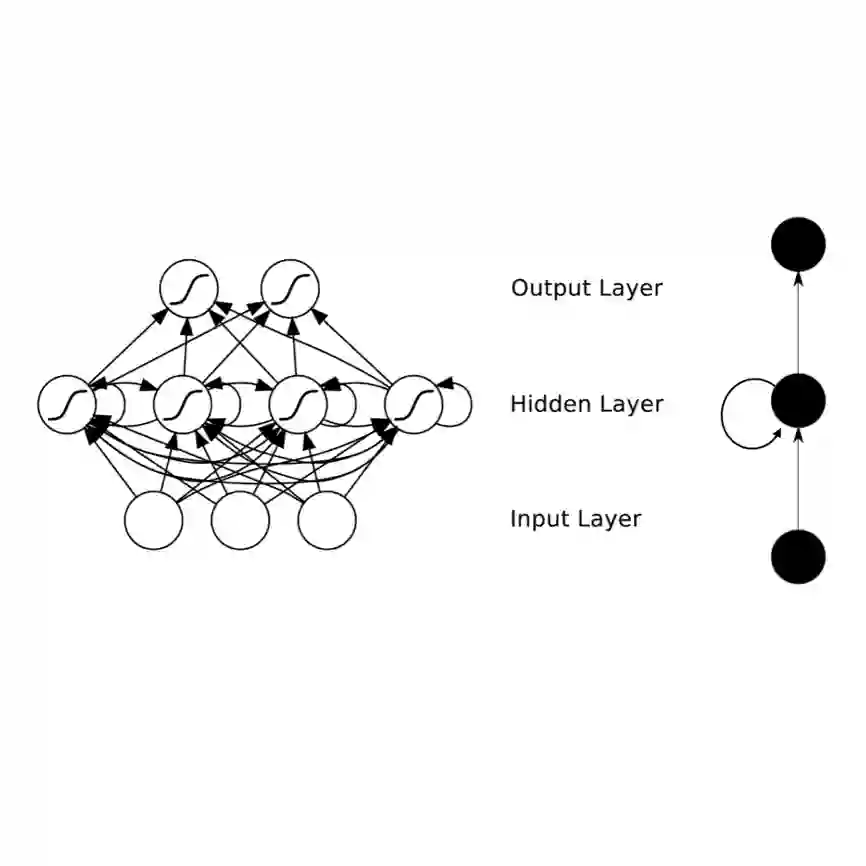
Implementing AI algorithms on event-based embedded devices enables real-time processing of data, minimizes latency, and enhances power efficiency in edge computing. This research explores the deployment of a spiking recurrent neural network (SRNN) with liquid time constant neurons for gesture recognition. We focus on the energy efficiency and computational efficacy of NVIDIA Jetson Nano embedded GPU platforms. The embedded GPU showcases a 14-fold increase in power efficiency relative to a conventional GPU, making a compelling argument for its use in energy-constrained applications. The study's empirical findings also highlight that batch processing significantly boosts frame rates across various batch sizes while maintaining accuracy levels well above the baseline. These insights validate the SRNN with liquid time constant neurons as a robust model for interpreting temporal-spatial data in gesture recognition, striking a critical balance between processing speed and power frugality.
翻译:在基于事件的嵌入式设备上实现人工智能算法,能够实现数据的实时处理、降低延迟并提升边缘计算的能效。本研究探讨了采用液态时间常数神经元的脉冲循环神经网络在手势识别任务中的部署方案。我们重点关注NVIDIA Jetson Nano嵌入式GPU平台的能效与计算效能。相较于传统GPU,该嵌入式GPU的能效提升了14倍,这为其在能源受限场景中的应用提供了有力依据。实验结果表明,批处理技术能在保持准确率显著高于基准水平的同时,显著提升不同批量大小下的帧率。这些发现验证了采用液态时间常数神经元的脉冲循环神经网络作为处理手势识别时空数据的鲁棒模型,在处理速度与能耗效率之间实现了关键平衡。




相关内容




 微信扫码咨询专知VIP会员