

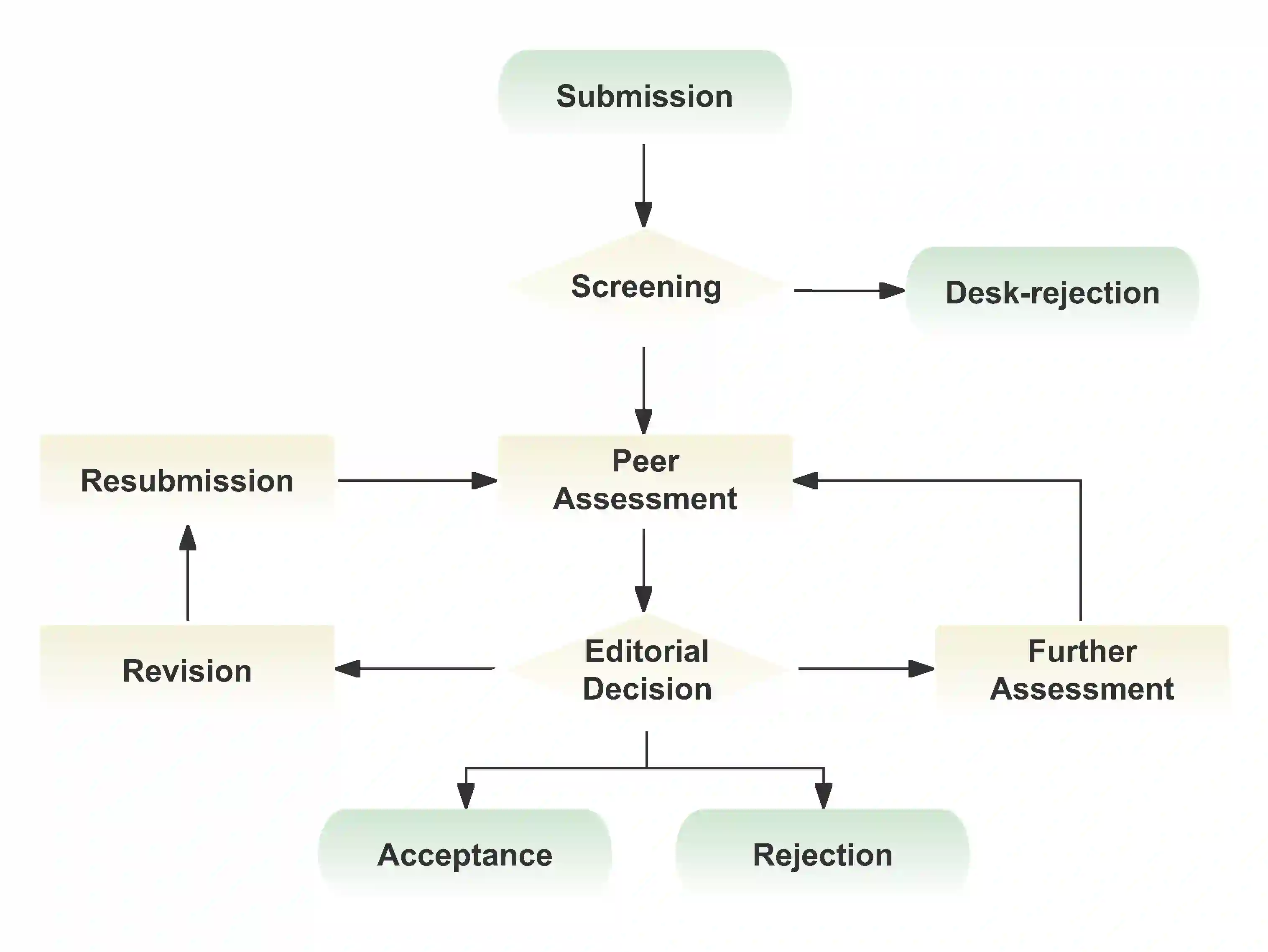
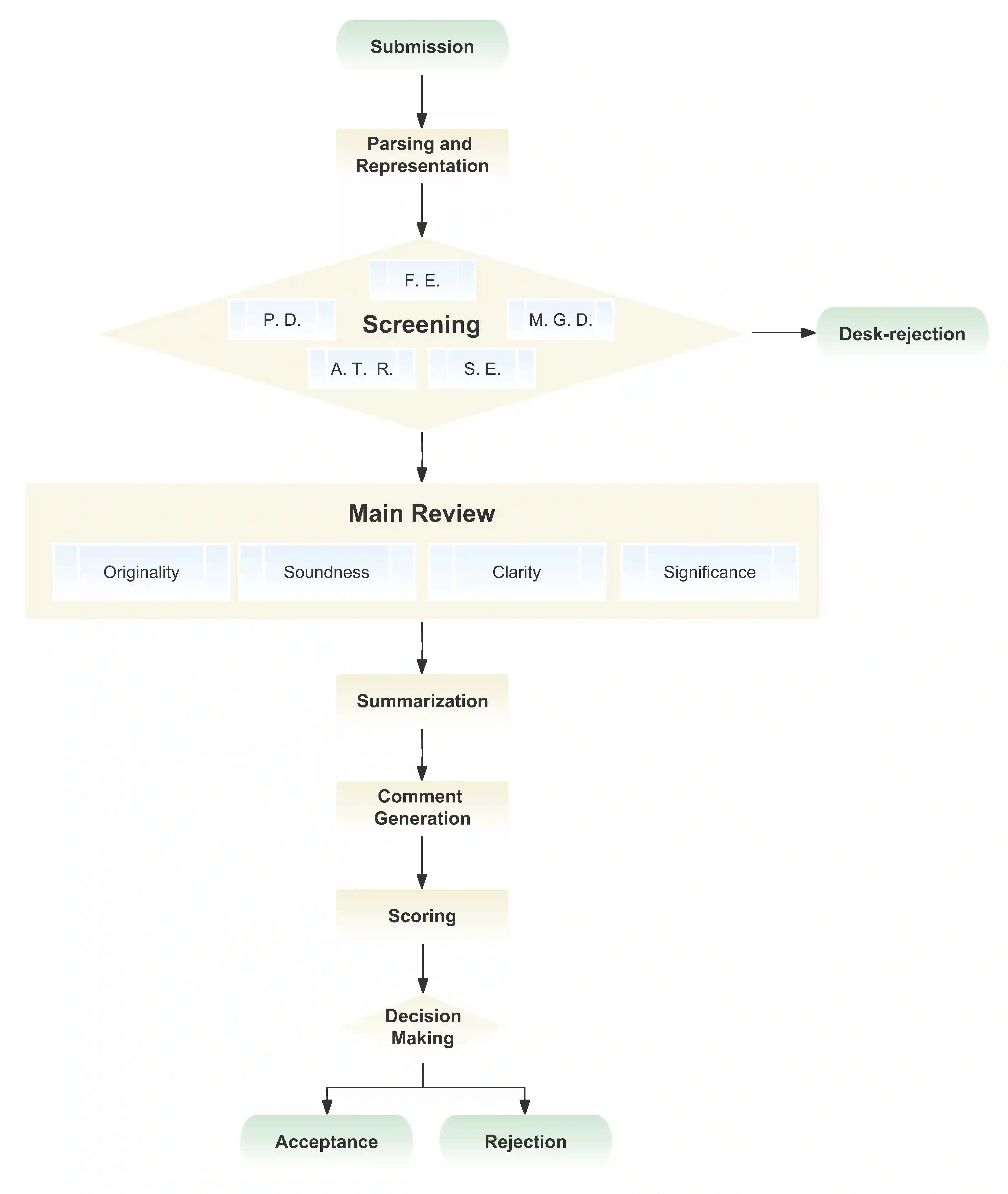
Peer review is a widely accepted mechanism for research evaluation, playing a pivotal role in academic publishing. However, criticisms have long been leveled on this mechanism, mostly because of its poor efficiency and low reproducibility. Recent years have seen the application of artificial intelligence (AI) in assisting the peer review process. Nonetheless, with the involvement of humans, such limitations remain inevitable. In this paper, we propose the concept and pipeline of automated scholarly paper review (ASPR) and review the relevant literature and technologies of achieving a full-scale computerized review process. On the basis of the review and discussion, we conclude that there is already corresponding research and preliminary implementation at each stage of ASPR. We further look into the challenges in ASPR with the existing technologies. The major difficulties lie in imperfect document parsing and representation, inadequate data, defective human-computer interaction, and flawed deep logical reasoning. Moreover, we discuss the possible moral and ethical issues and point out the future directions of ASPR. In the foreseeable future, ASPR and peer review will coexist in a reinforcing manner before ASPR is able to fully undertake the reviewing workload from humans.
翻译:同行评议是被广泛接受的研究评估机制,在学术出版中发挥着关键作用。然而,该机制长期受到批评,主要因其效率低下且可重复性差。近年来,人工智能(AI)已被应用于辅助同行评议过程。然而,由于人类的参与,此类局限性仍然不可避免。本文提出自动化同行评议(ASPR)的概念与流程,并回顾了实现全规模计算机化审稿流程的相关文献与技术。基于综述与讨论,我们认为ASPR的各个阶段均已存在相应研究和初步实施方案。我们进一步探讨了现有技术下ASPR面临的挑战,主要难点在于文档解析与表示不完善、数据不足、人机交互缺陷以及深层逻辑推理缺陷。此外,我们讨论了潜在的道德伦理问题,并指出了ASPR的未来发展方向。在可预见的未来,ASPR与同行评审将以相互强化的方式共存,直至ASPR能够完全承担人类的审阅工作量。




相关内容



 微信扫码咨询专知VIP会员