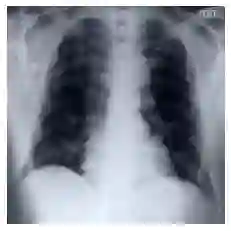
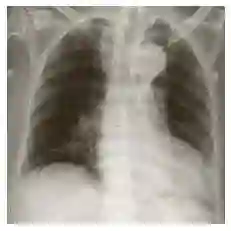
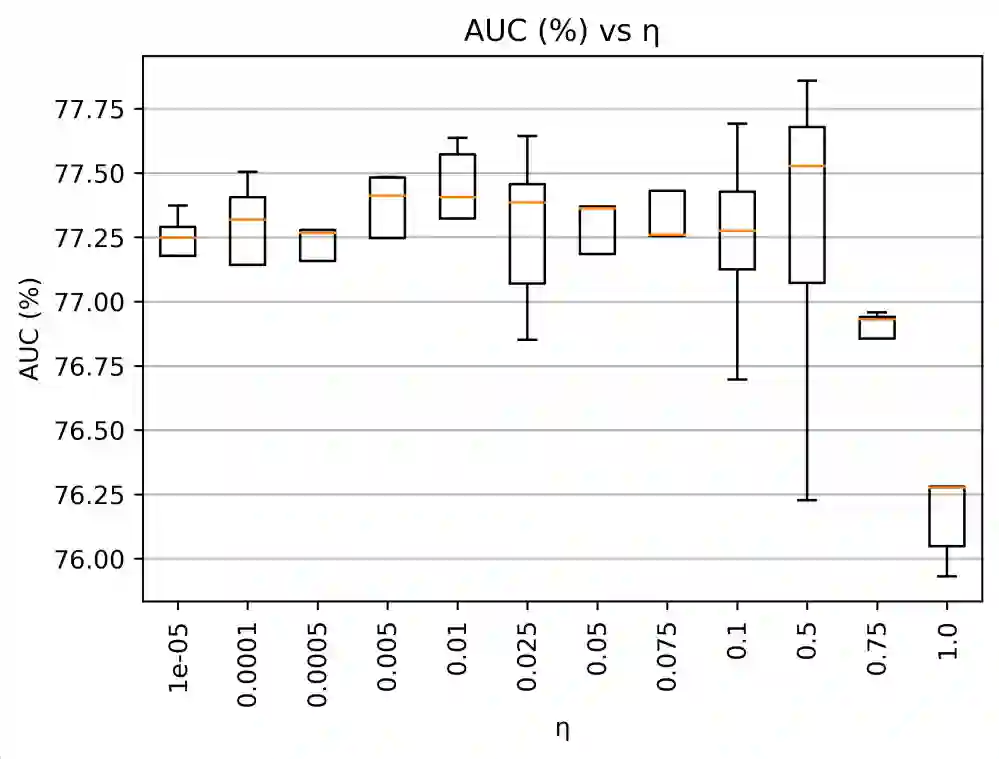
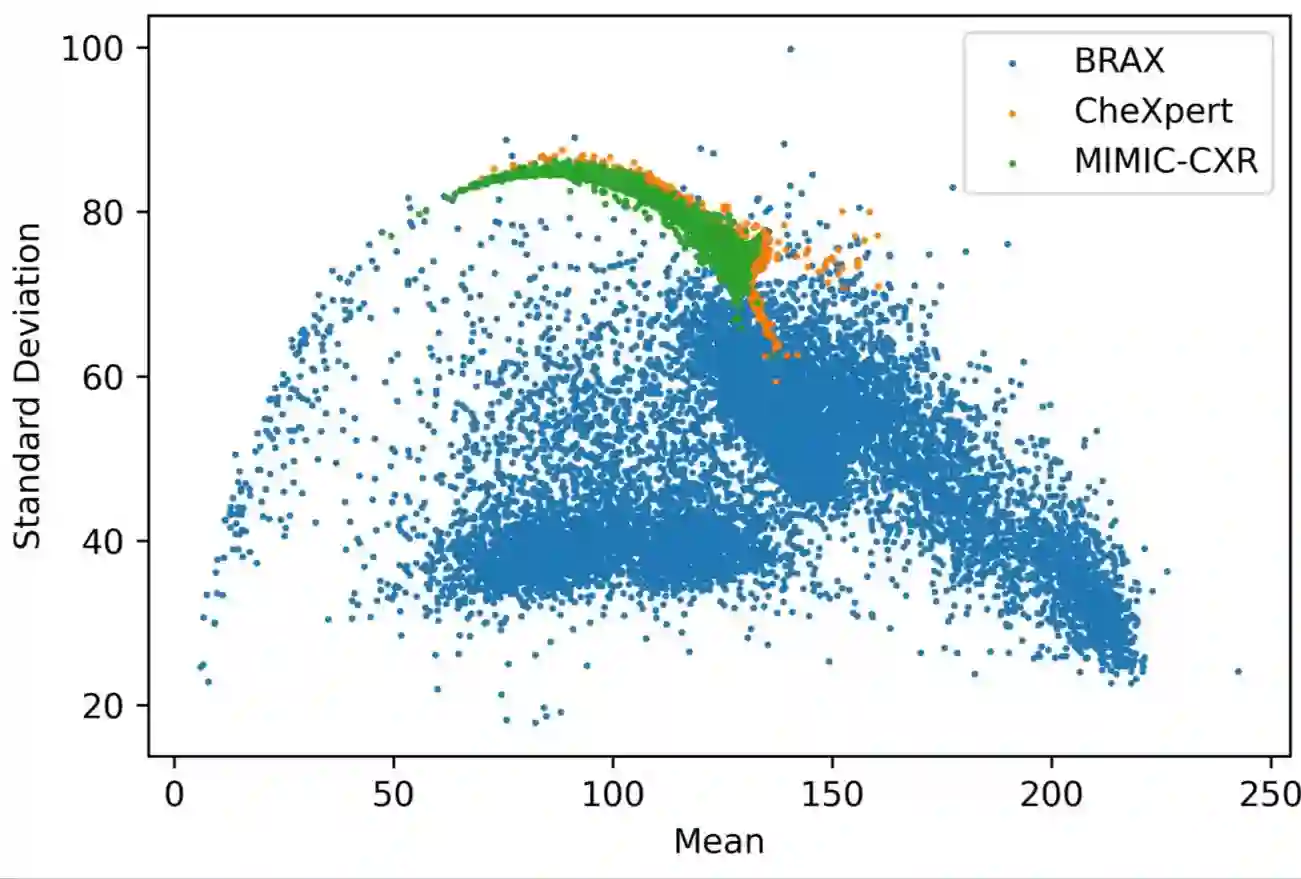
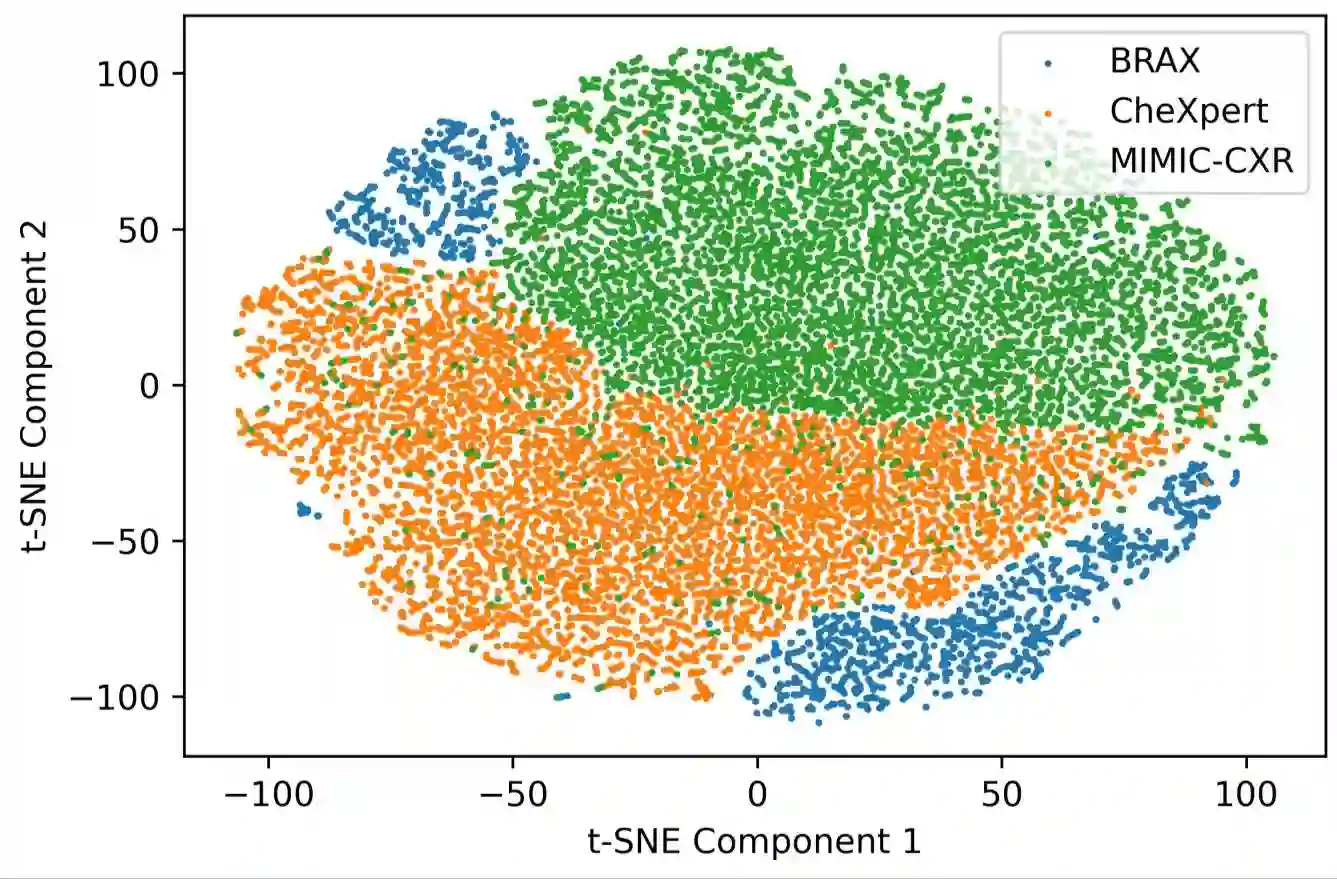
Performance degradation due to distribution discrepancy is a longstanding challenge in intelligent imaging, particularly for chest X-rays (CXRs). Recent studies have demonstrated that CNNs are biased toward styles (e.g., uninformative textures) rather than content (e.g., shape), in stark contrast to the human vision system. Radiologists tend to learn visual cues from CXRs and thus perform well across multiple domains. Motivated by this, we employ the novel on-the-fly style randomization modules at both image (SRM-IL) and feature (SRM-FL) levels to create rich style perturbed features while keeping the content intact for robust cross-domain performance. Previous methods simulate unseen domains by constructing new styles via interpolation or swapping styles from existing data, limiting them to available source domains during training. However, SRM-IL samples the style statistics from the possible value range of a CXR image instead of the training data to achieve more diversified augmentations. Moreover, we utilize pixel-wise learnable parameters in the SRM-FL compared to pre-defined channel-wise mean and standard deviations as style embeddings for capturing more representative style features. Additionally, we leverage consistency regularizations on global semantic features and predictive distributions from with and without style-perturbed versions of the same CXR to tweak the model's sensitivity toward content markers for accurate predictions. Our proposed method, trained on CheXpert and MIMIC-CXR datasets, achieves 77.32$\pm$0.35, 88.38$\pm$0.19, 82.63$\pm$0.13 AUCs(%) on the unseen domain test datasets, i.e., BRAX, VinDr-CXR, and NIH chest X-ray14, respectively, compared to 75.56$\pm$0.80, 87.57$\pm$0.46, 82.07$\pm$0.19 from state-of-the-art models on five-fold cross-validation with statistically significant results in thoracic disease classification.


翻译:分布差异导致的性能退化是智能成像领域的长期挑战,尤其在胸部X光片(CXR)中尤为突出。近年研究表明,卷积神经网络(CNN)倾向于关注风格特征(如无信息纹理)而非内容特征(如形状),这与人类视觉系统存在显著差异。放射科医生通常通过学习CXR的视觉线索,从而在多个域中保持优异表现。受此启发,我们分别在图像级(SRM-IL)和特征级(SRM-FL)引入新颖的即时风格随机化模块,在保持内容完整的同时生成丰富的风格扰动特征,以实现稳健的跨域性能。现有方法通过插值或交换现有数据风格来模拟未知域,但受限于训练过程中可用的源域。而SRM-IL从CXR图像的可能值范围中采样风格统计量,而非训练数据,从而实现更多样化的数据增强。此外,我们利用SRM-FL中像素级可学习参数,替代传统的预定义通道级均值和标准差作为风格嵌入,以捕获更具代表性的风格特征。同时,我们对同一CXR图像在有无风格扰动版本下的全局语义特征和预测分布施加一致性正则化,以调整模型对内容标记的敏感度,实现精准预测。所提方法在CheXpert和MIMIC-CXR数据集上训练后,在未知域测试集(BRAX、VinDr-CXR和NIH Chest X-ray14)上分别达到77.32±0.35、88.38±0.19和82.63±0.13的AUC(%),而基于五折交叉验证的胸科疾病分类任务中,现有最优模型对应结果为75.56±0.80、87.57±0.46和82.07±0.19,且具有统计显著性。
0
下载
关闭预览

相关内容

FlowQA: Grasping Flow in History for Conversational Machine Comprehension
专知会员服务
34+阅读 · 2019年10月18日
《DeepGCNs: Making GCNs Go as Deep as CNNs》
专知会员服务
32+阅读 · 2019年10月17日
Keras François Chollet 《Deep Learning with Python 》, 386页pdf
专知会员服务
164+阅读 · 2019年10月12日
【SIGGRAPH2019】TensorFlow 2.0深度学习计算机图形学应用
专知会员服务
41+阅读 · 2019年10月9日
Hierarchically Structured Meta-learning
CreateAMind
27+阅读 · 2019年5月22日
Transferring Knowledge across Learning Processes
CreateAMind
29+阅读 · 2019年5月18日
Unsupervised Learning via Meta-Learning
CreateAMind
44+阅读 · 2019年1月3日
meta learning 17年:MAML SNAIL
CreateAMind
11+阅读 · 2019年1月2日
A Technical Overview of AI & ML in 2018 & Trends for 2019
待字闺中
18+阅读 · 2018年12月24日
disentangled-representation-papers
CreateAMind
26+阅读 · 2018年9月12日
STRCF for Visual Object Tracking
统计学习与视觉计算组
15+阅读 · 2018年5月29日
Focal Loss for Dense Object Detection
统计学习与视觉计算组
12+阅读 · 2018年3月15日
IJCAI | Cascade Dynamics Modeling with Attention-based RNN
KingsGarden
13+阅读 · 2017年7月16日
From Softmax to Sparsemax-ICML16(1)
KingsGarden
74+阅读 · 2016年11月26日
国家自然科学基金
2+阅读 · 2017年12月31日
国家自然科学基金
13+阅读 · 2017年12月31日
国家自然科学基金
2+阅读 · 2015年12月31日
国家自然科学基金
0+阅读 · 2015年12月31日
国家自然科学基金
2+阅读 · 2015年12月31日
国家自然科学基金
1+阅读 · 2014年12月31日
国家自然科学基金
0+阅读 · 2014年12月31日
国家自然科学基金
0+阅读 · 2014年12月31日
国家自然科学基金
2+阅读 · 2014年12月31日
Arxiv
12+阅读 · 2021年9月13日
VIP会员
最新内容
ICML 2026 | CFPO:用反事实策略优化提升多模态推理
专知会员服务
1+阅读 · 今天14:45
综述 | 世界动作模型:少做梦,多行动
专知会员服务
1+阅读 · 今天14:43
美以伊冲突:无人机与人工智能的运用
专知会员服务
4+阅读 · 今天14:31
《特种部队在透明战场中的生存力》最新报告
专知会员服务
2+阅读 · 今天14:11
《人工智能生成的零日漏洞:对未来作战的影响》
综述 | 3D场景图:开放挑战与未来方向
专知会员服务
8+阅读 · 6月22日
21世纪的无人机战争
专知会员服务
4+阅读 · 6月22日
《量子技术的军事任务技术适配与利用》
专知会员服务
5+阅读 · 6月22日
相关VIP内容
FlowQA: Grasping Flow in History for Conversational Machine Comprehension
专知会员服务
34+阅读 · 2019年10月18日
《DeepGCNs: Making GCNs Go as Deep as CNNs》
专知会员服务
32+阅读 · 2019年10月17日
Keras François Chollet 《Deep Learning with Python 》, 386页pdf
专知会员服务
164+阅读 · 2019年10月12日
【SIGGRAPH2019】TensorFlow 2.0深度学习计算机图形学应用
专知会员服务
41+阅读 · 2019年10月9日
相关资讯
Hierarchically Structured Meta-learning
CreateAMind
27+阅读 · 2019年5月22日
Transferring Knowledge across Learning Processes
CreateAMind
29+阅读 · 2019年5月18日
Unsupervised Learning via Meta-Learning
CreateAMind
44+阅读 · 2019年1月3日
meta learning 17年:MAML SNAIL
CreateAMind
11+阅读 · 2019年1月2日
A Technical Overview of AI & ML in 2018 & Trends for 2019
待字闺中
18+阅读 · 2018年12月24日
disentangled-representation-papers
CreateAMind
26+阅读 · 2018年9月12日
STRCF for Visual Object Tracking
统计学习与视觉计算组
15+阅读 · 2018年5月29日
Focal Loss for Dense Object Detection
统计学习与视觉计算组
12+阅读 · 2018年3月15日
IJCAI | Cascade Dynamics Modeling with Attention-based RNN
KingsGarden
13+阅读 · 2017年7月16日
From Softmax to Sparsemax-ICML16(1)
KingsGarden
74+阅读 · 2016年11月26日
相关基金
国家自然科学基金
2+阅读 · 2017年12月31日
国家自然科学基金
13+阅读 · 2017年12月31日
国家自然科学基金
2+阅读 · 2015年12月31日
国家自然科学基金
0+阅读 · 2015年12月31日
国家自然科学基金
2+阅读 · 2015年12月31日
国家自然科学基金
1+阅读 · 2014年12月31日
国家自然科学基金
0+阅读 · 2014年12月31日
国家自然科学基金
0+阅读 · 2014年12月31日
国家自然科学基金
2+阅读 · 2014年12月31日
Top
微信扫码咨询专知VIP会员