

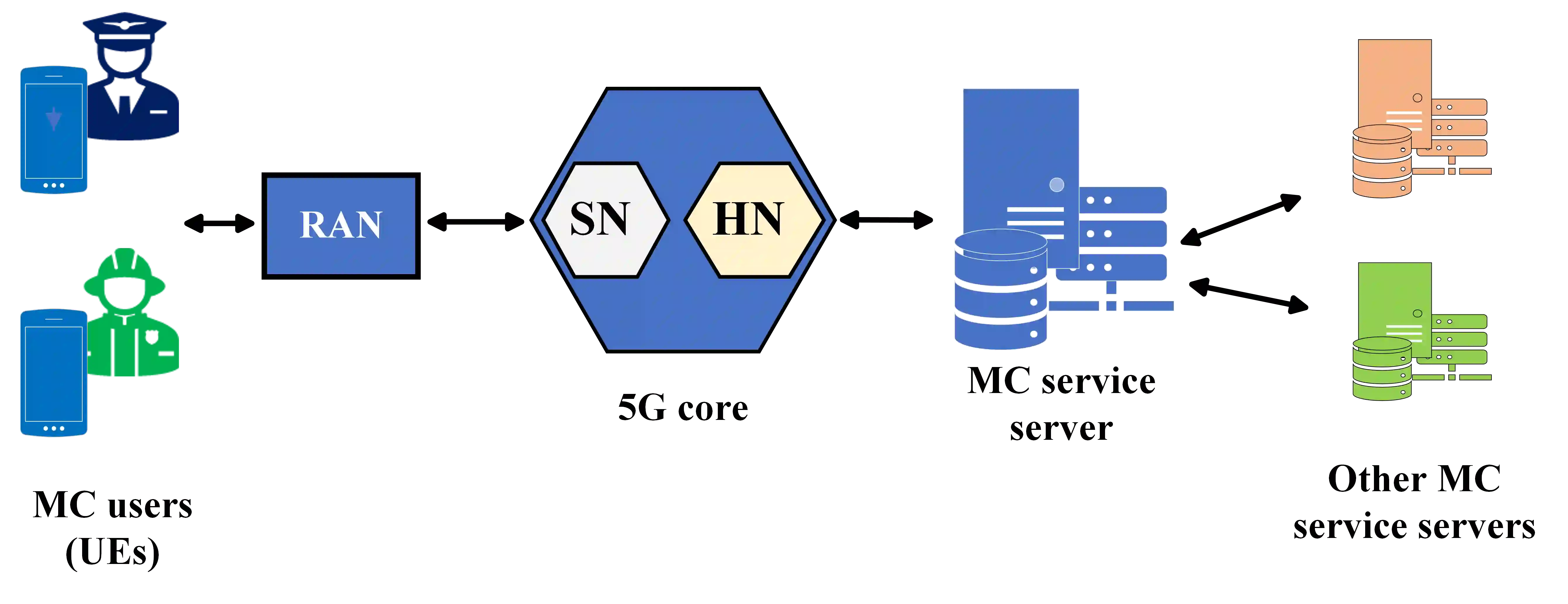
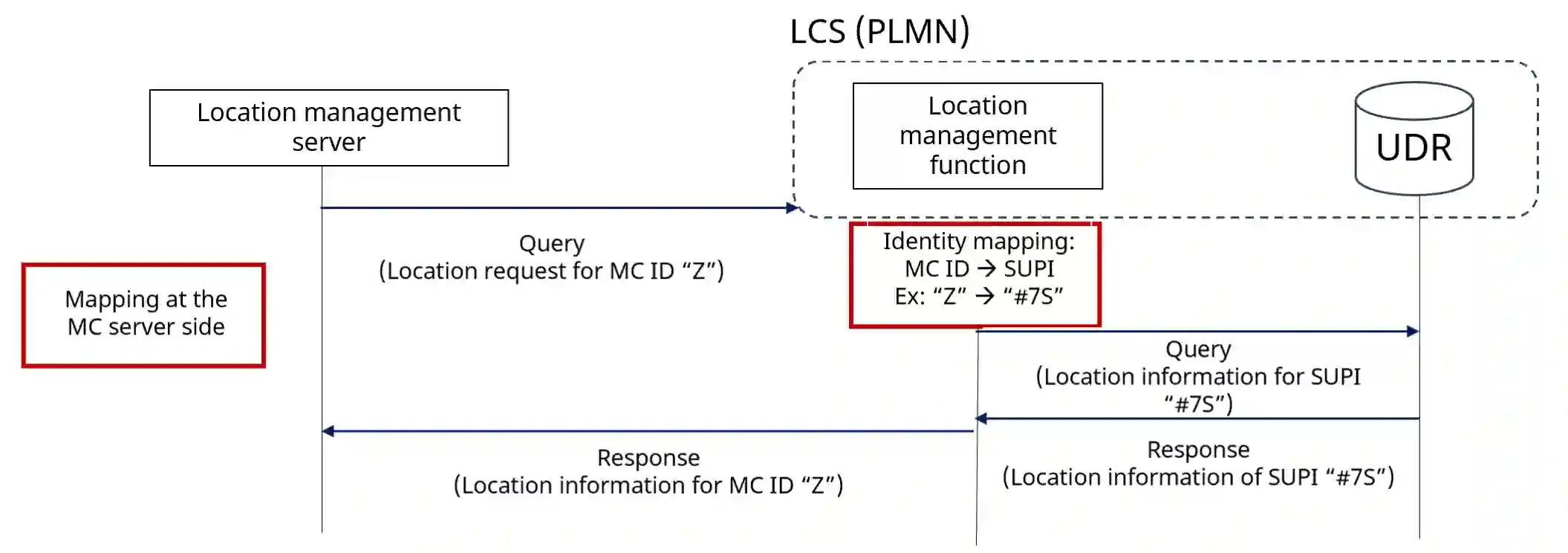
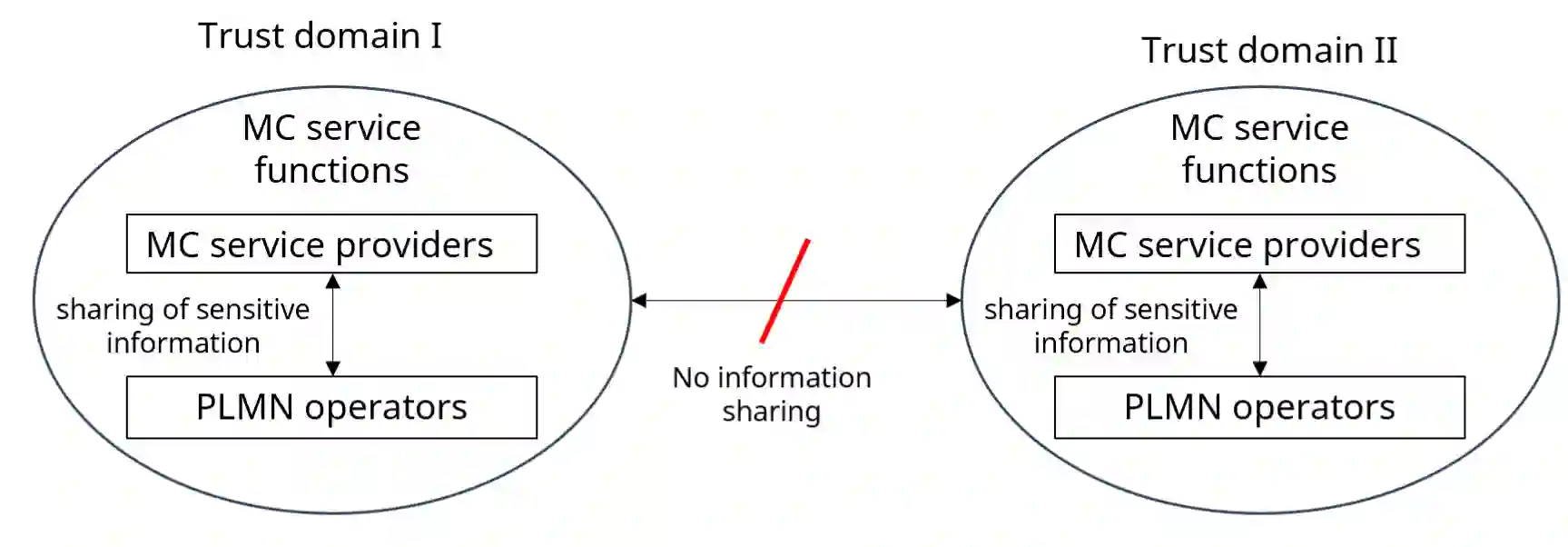
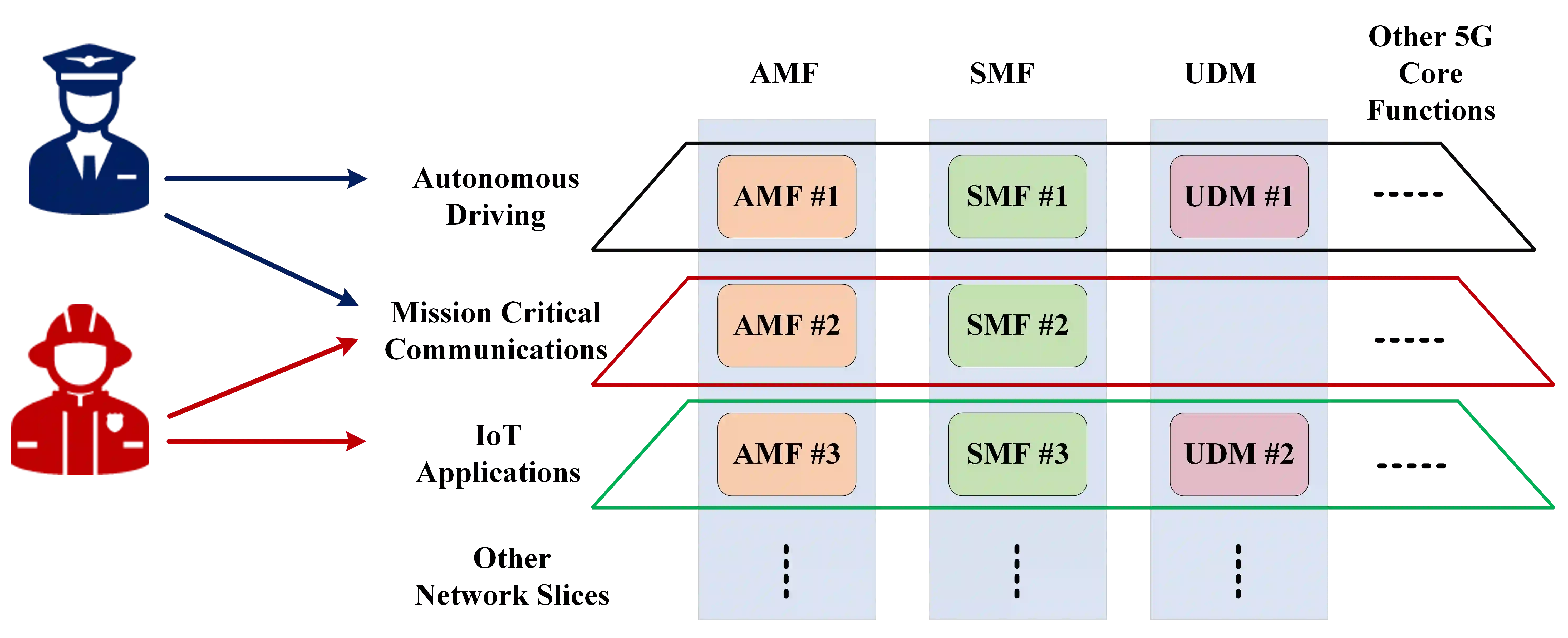
Mission critical communication (MCC) involves the exchange of information and data among emergency services, including the police, fire brigade, and other first responders, particularly during emergencies, disasters, or critical incidents. The widely-adopted TETRA (Terrestrial Trunked Radio)-based communication for mission critical services faces challenges including limited data capacity, coverage limitations, spectrum congestion, and security concerns. Therefore, as an alternative, mission critical communication over cellular networks (4G and 5G) has emerged. While cellular-based MCC enables features like real-time video streaming and high-speed data transmission, the involvement of network operators and application service providers in the MCC architecture raises privacy concerns for mission critical users and services. For instance, the disclosure of a policeman's location details to the network operator raises privacy concerns. To the best of our knowledge, no existing work considers the privacy issues in mission critical system with respect to 5G and upcoming technologies. Therefore, in this paper, we analyse the 3GPP standardised MCC architecture within the context of 5G core network concepts and assess the privacy implications for MC users, network entities, and MC servers. The privacy analysis adheres to the deployment strategies in the standard for MCC. Additionally, we explore emerging 6G technologies, such as off-network communications, joint communication and sensing, and non-3GPP communications, to identify privacy challenges in MCC architecture. Finally, we propose privacy controls to establish a next-generation privacy-preserving MCC architecture.
翻译:任务关键通信(MCC)涉及警察、消防队及其他应急响应人员在紧急情况、灾难或关键事件中进行信息和数据交换。目前广泛采用基于TETRA(陆地集群无线电)的任务关键通信存在数据容量有限、覆盖范围受限、频谱拥塞及安全风险等挑战。因此,作为替代方案,基于蜂窝网络(4G和5G)的任务关键通信应运而生。蜂窝MCC虽能实现实时视频流传输和高速数据交换等功能,但MCC架构中引入网络运营商与应用服务提供商,引发了任务关键用户及服务的隐私问题。例如,警察位置信息向网络运营商披露即构成隐私隐患。据我们所知,现有研究尚未涉及5G及未来技术背景下任务关键系统中的隐私问题。因此,本文结合5G核心网络概念分析了3GPP标准化的MCC架构,评估了其对MC用户、网络实体及MC服务器的隐私影响。该隐私分析遵循标准中MCC部署策略。此外,我们探索了新兴6G技术(如脱网通信、通感一体化、非3GPP通信)对MCC架构隐私挑战的影响。最后,提出隐私防护机制以构建下一代隐私保护型MCC架构。





相关内容




 微信扫码咨询专知VIP会员