

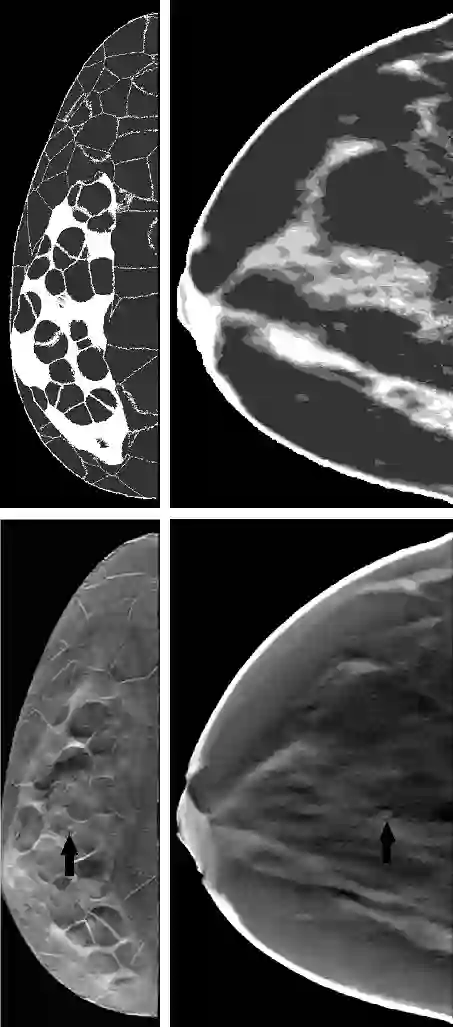
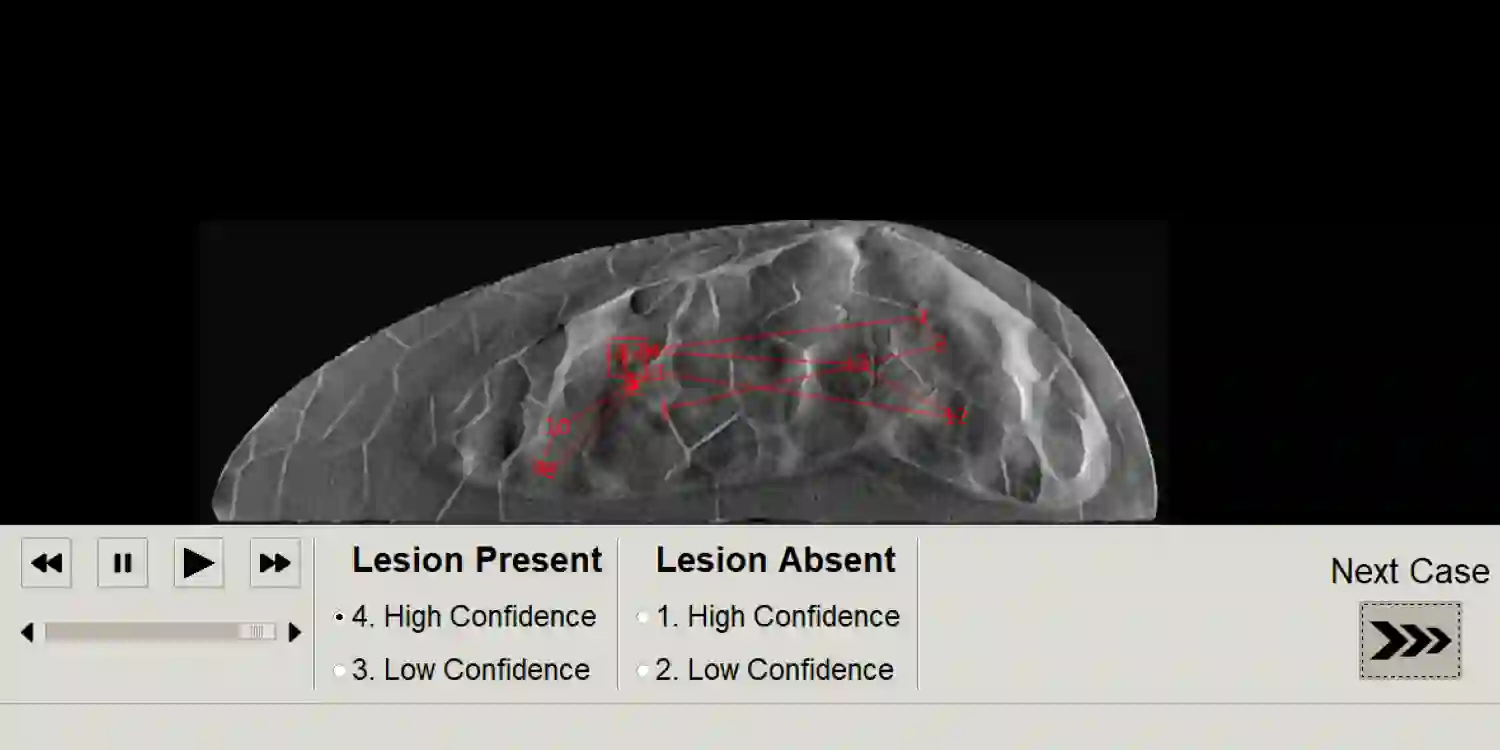
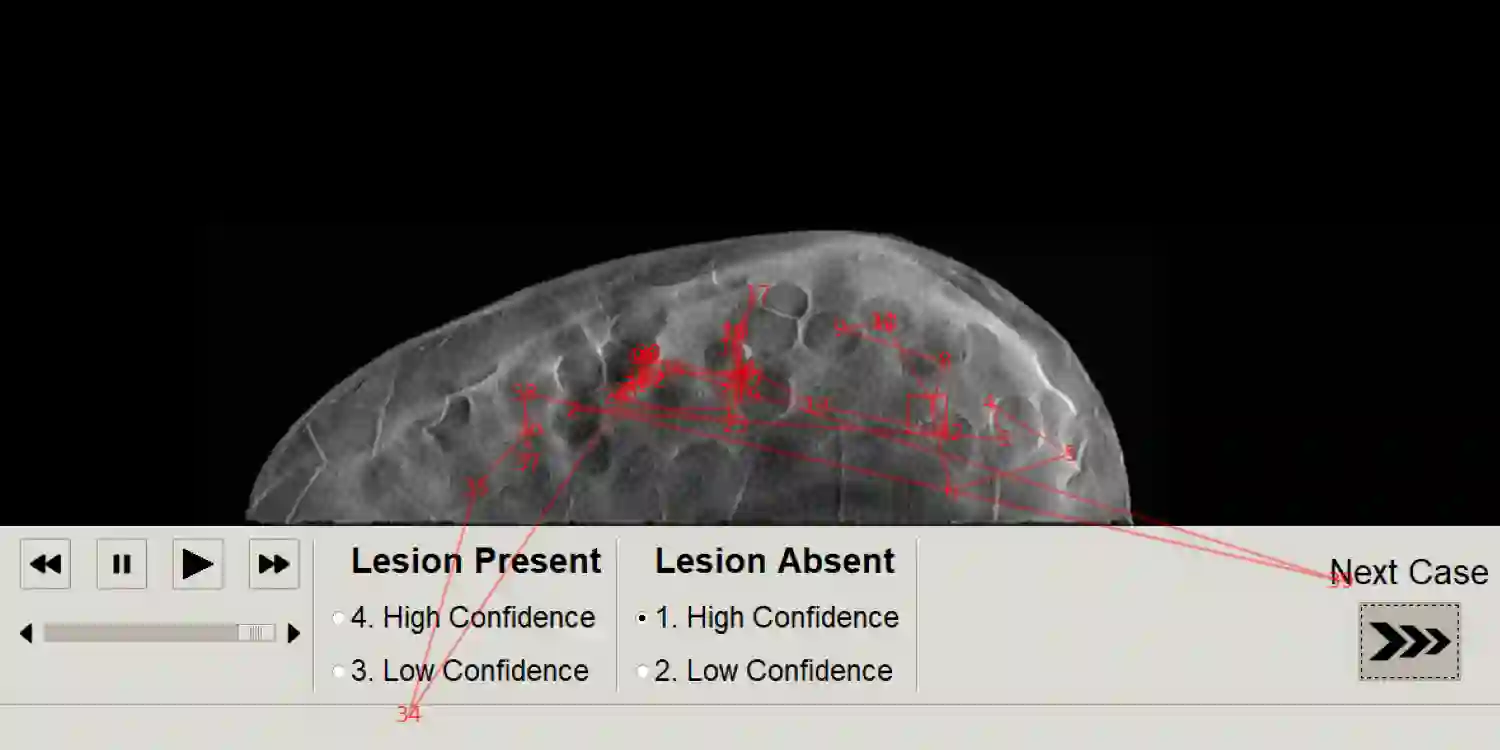
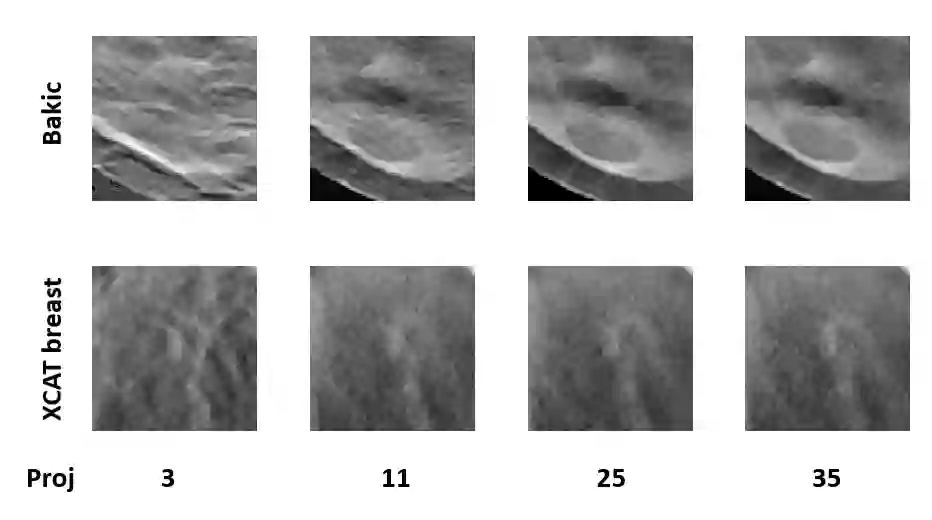
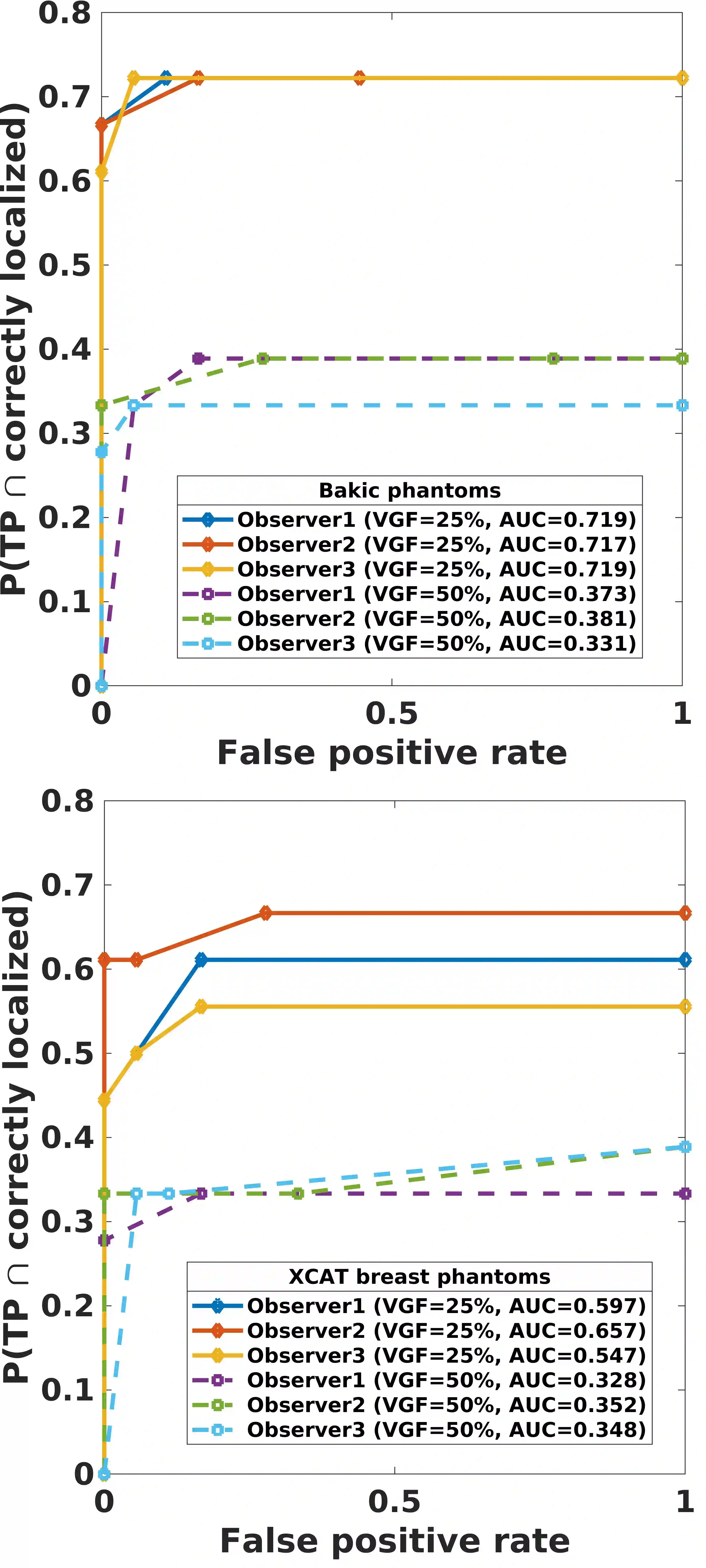
Purpose: Digital phantoms are one of the key components of virtual imaging trials (VITs) that aim to assess and optimize new medical imaging systems and algorithms. However, these phantoms vary in their voxel resolution, appearance, and structural details. This study aims to examine whether and how variations between digital phantoms influence system optimization with digital breast tomosynthesis (DBT) as a chosen modality. Methods: We selected widely used and open-access digital breast phantoms generated with different methods. For each phantom type, we created an ensemble of DBT images to test acquisition strategies. Human observer localization ROC (LROC) was used to assess observer performance studies for each case. Noise power spectrum (NPS) was estimated to compare the phantom structural components. Further, we computed several gaze metrics to quantify the gaze pattern when viewing images generated from different phantom types. Results: Our LROC results show that the arc samplings for peak performance were approximately 2.5 degrees and 6 degrees in Bakic and XCAT breast phantoms respectively for 3-mm lesion detection tasks and indicate that system optimization outcomes from VITs can vary with phantom types and structural frequency components. Additionally, a significant correlation (p= 0.01) between gaze metrics and diagnostic performance suggests that gaze analysis can be used to understand and evaluate task difficulty in VITs.
翻译:目的:数字体模是虚拟影像试验(VIT)的关键组成部分,旨在评估和优化新型医学成像系统与算法。然而,这些体模在体素分辨率、外观及结构细节方面存在差异。本研究旨在探讨数字体模的差异是否及如何影响以数字乳腺断层合成(DBT)为选定模态的系统优化。方法:我们选取了采用不同方法生成且广泛使用的开源数字乳腺体模。针对每种体模类型,构建DBT图像集合以测试采集策略。采用人类观测者定位受试者工作特征(LROC)曲线评估各案例的观测者性能表现,通过噪声功率谱(NPS)比较体模结构成分,并计算多项注视指标量化不同体模类型生成图像时的注视模式。结果:LROC结果显示,在3毫米病灶检测任务中,Bakic体模与XCAT乳腺体模的最优弧采样角度分别约为2.5度和6度,表明虚拟影像试验的系统优化结果可能因体模类型及结构频率成分而异。此外,注视指标与诊断性能存在显著相关性(p=0.01),提示注视分析可用于理解并评估虚拟影像试验中的任务难度。




相关内容



 微信扫码咨询专知VIP会员