

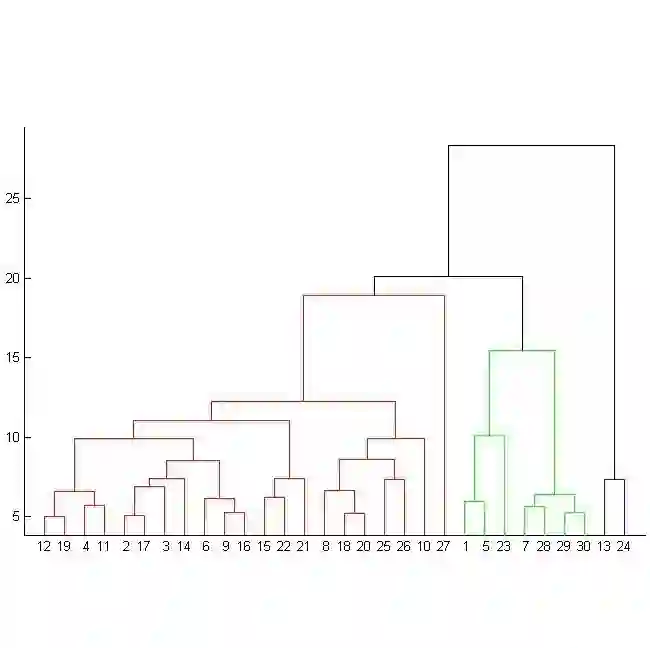
Recent decades have witnessed a dramatic shift in the cross-border collaboration mode of researchers, with countries increasingly cooperating and competing with one another. It is crucial for leaders in academia and policy to understand the full extent of international research collaboration, their country's position within it, and its evolution over time. However, evidence for such world-scale dynamism is still scarce. This paper provides unique evidence of how international collaboration clusters have formed and evolved over the past 50 years across various scientific publications, using data from OpenAlex, a large-scale Open Bibliometrics platform launched in 2022. We first examine how the global presence of top-tier countries has changed in 15 natural science disciplines over time, as measured by publication volumes and international collaboration rates. Notably, we observe that the US and China have been rapidly moving closer together for decades but began moving apart after 2019. We then perform a hierarchical clustering to analyse and visualise the international collaboration clusters for each discipline and period. Finally, we provide quantitative evidence of a `Shrinking World' of research collaboration at a global scale over the past half-century. Our results provide valuable insights into the big picture of past, present and future international collaboration.
翻译:过去数十年间,跨境研究合作模式经历了深刻变革,各国在科研领域的协作与竞争日益加剧。对于学术界与政策制定者而言,全面理解国际科研合作的整体格局、本国在其中所处的位置及其时间演化轨迹至关重要。然而,目前关于这一全球规模动态变化的实证证据仍较为匮乏。本研究基于2022年启动的大规模开放文献计量平台OpenAlex的数据,首次系统揭示了近50年间各学科领域国际科研合作集群的形成与演变过程。我们首先通过论文产出量与跨国合作率两项指标,分析了15个自然科学领域中顶级研究大国全球影响力的历时性变化——值得注意的是,中美两国科研联系在持续数十年的密切合作后,于2019年后出现分离趋势。继而采用层次聚类法对各学科、各时期的国际合作集群进行可视化分析。最终,我们通过定量证据证明过去半个世纪全球科研合作呈现‘世界缩小’现象。这些发现为理解国际科研合作的过去图景、当下态势与未来走向提供了重要启示。




相关内容




 微信扫码咨询专知VIP会员