

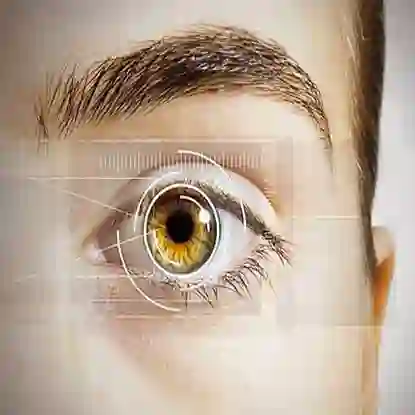
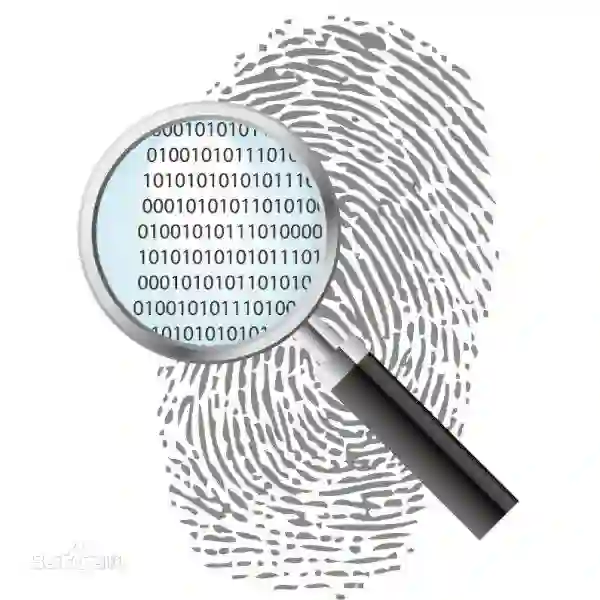
Image-based biometrics can aid law enforcement in various aspects, for example in iris, fingerprint and soft-biometric recognition. A critical precondition for recognition is the availability of sufficient biometric information in images. It is visually apparent that strong JPEG compression removes such details. However, latest AI-based image compression seemingly preserves many image details even for very strong compression factors. Yet, these perceived details are not necessarily grounded in measurements, which raises the question whether these images can still be used for biometric recognition. In this work, we investigate how AI compression impacts iris, fingerprint and soft-biometric (fabrics and tattoo) images. We also investigate the recognition performance for iris and fingerprint images after AI compression. It turns out that iris recognition can be strongly affected, while fingerprint recognition is quite robust. The loss of detail is qualitatively best seen in fabrics and tattoos images. Overall, our results show that AI-compression still permits many biometric tasks, but attention to strong compression factors in sensitive tasks is advisable.
翻译:基于图像的生物识别技术可在多个方面辅助执法工作,例如虹膜识别、指纹识别及软生物特征识别。识别的关键前提是图像中需包含足够的生物特征信息。从视觉上可明显看出,强JPEG压缩会消除此类细节。然而,最新的基于AI的图像压缩即使在极高压缩比下似乎仍能保留大量图像细节。但这些感知细节未必基于实际测量数据,这引发了此类图像是否仍可用于生物识别的问题。本研究探讨了AI压缩对虹膜、指纹及软生物特征(织物与纹身)图像的影响,并分析了经AI压缩后的虹膜与指纹图像的识别性能。结果表明:虹膜识别可能受到显著影响,而指纹识别则表现出较强鲁棒性。细节损失在织物与纹身图像中体现得最为明显。总体而言,我们的研究显示AI压缩仍适用于多数生物识别任务,但在敏感任务中需警惕高压缩比带来的影响。




相关内容


 微信扫码咨询专知VIP会员