

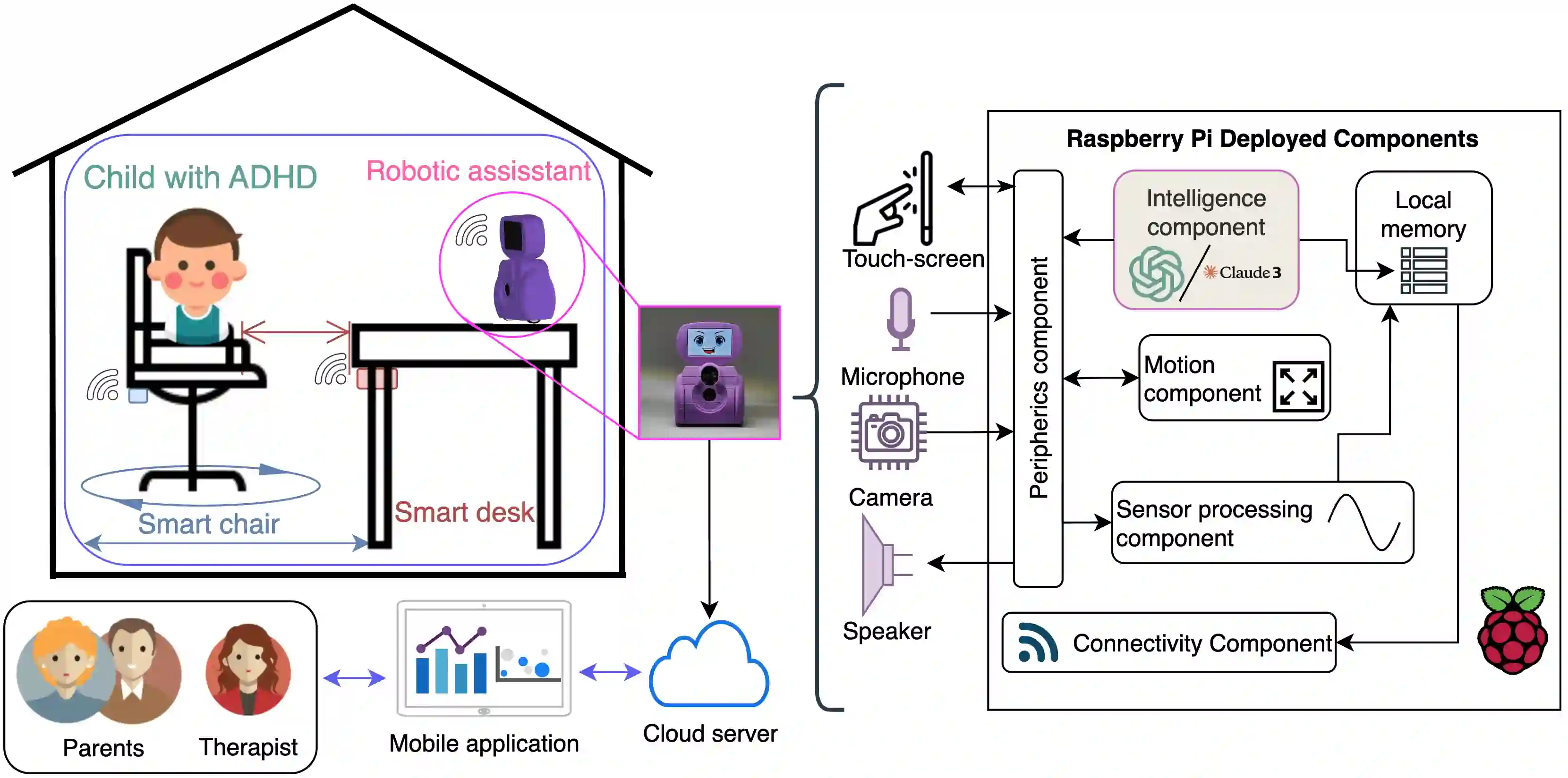
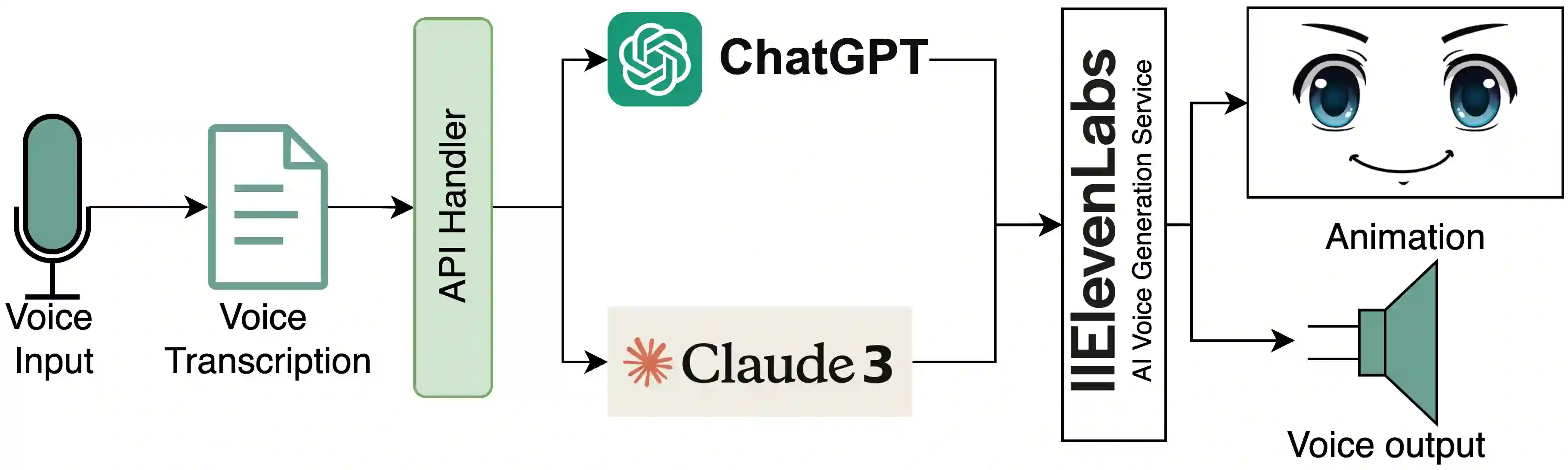
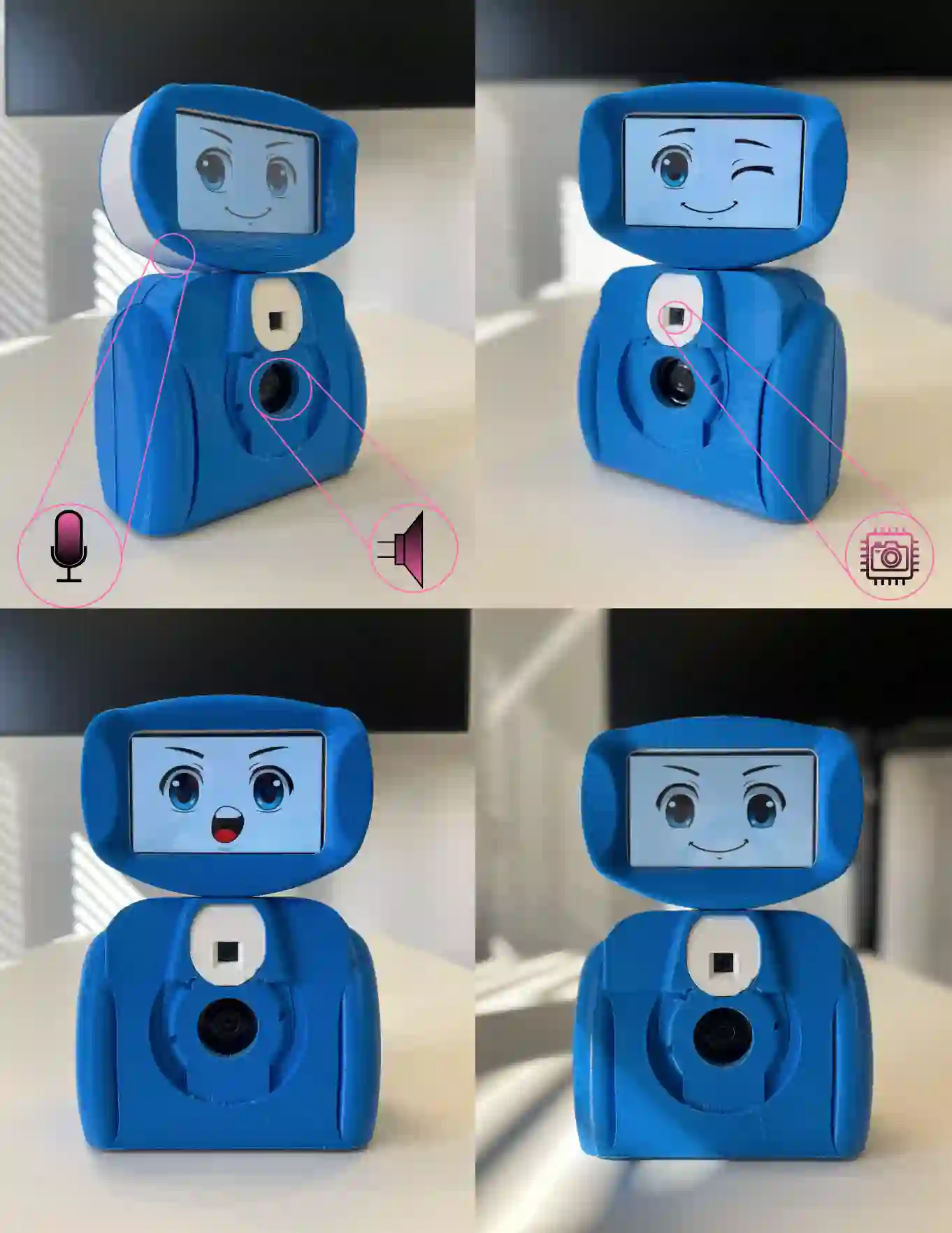
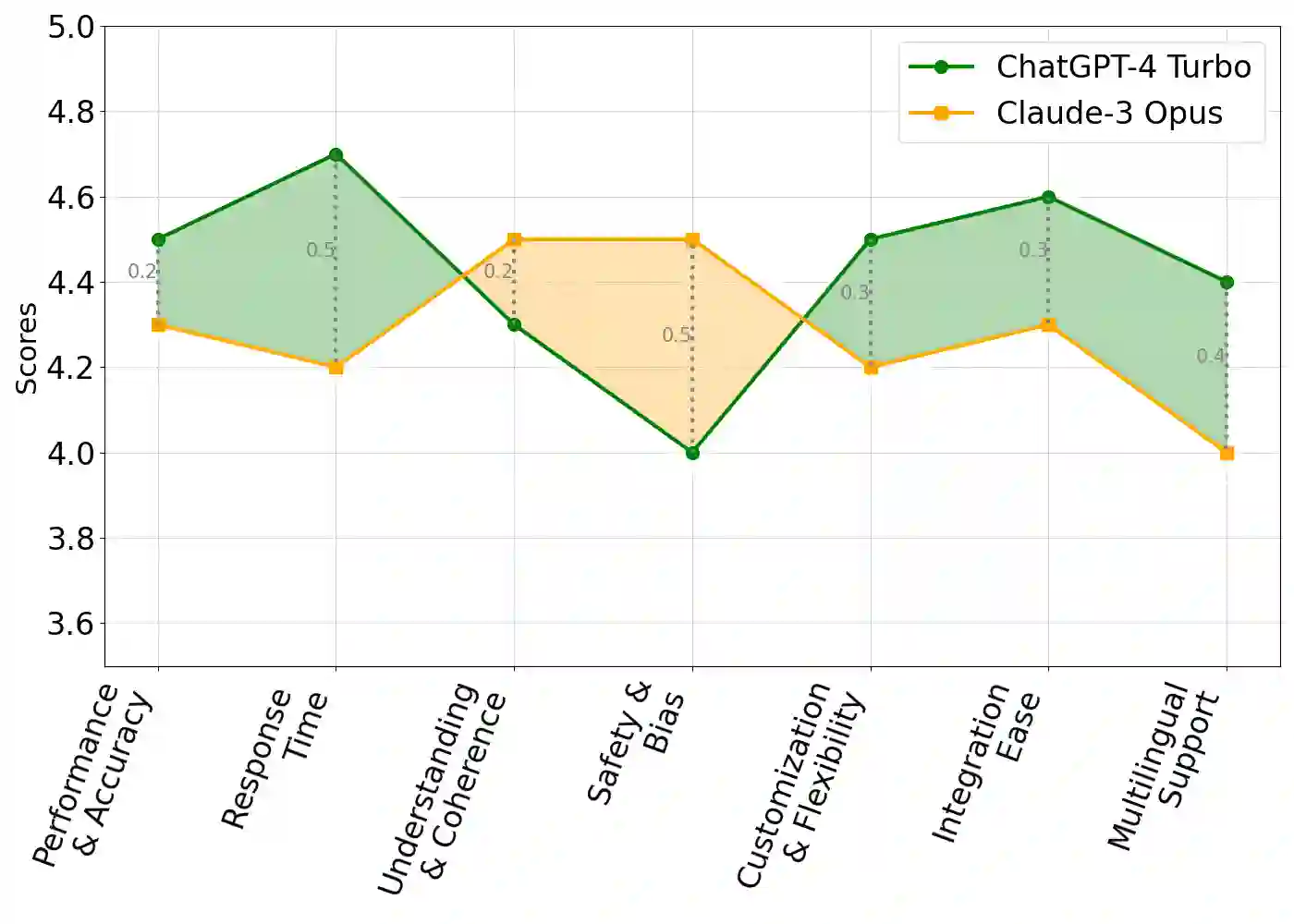
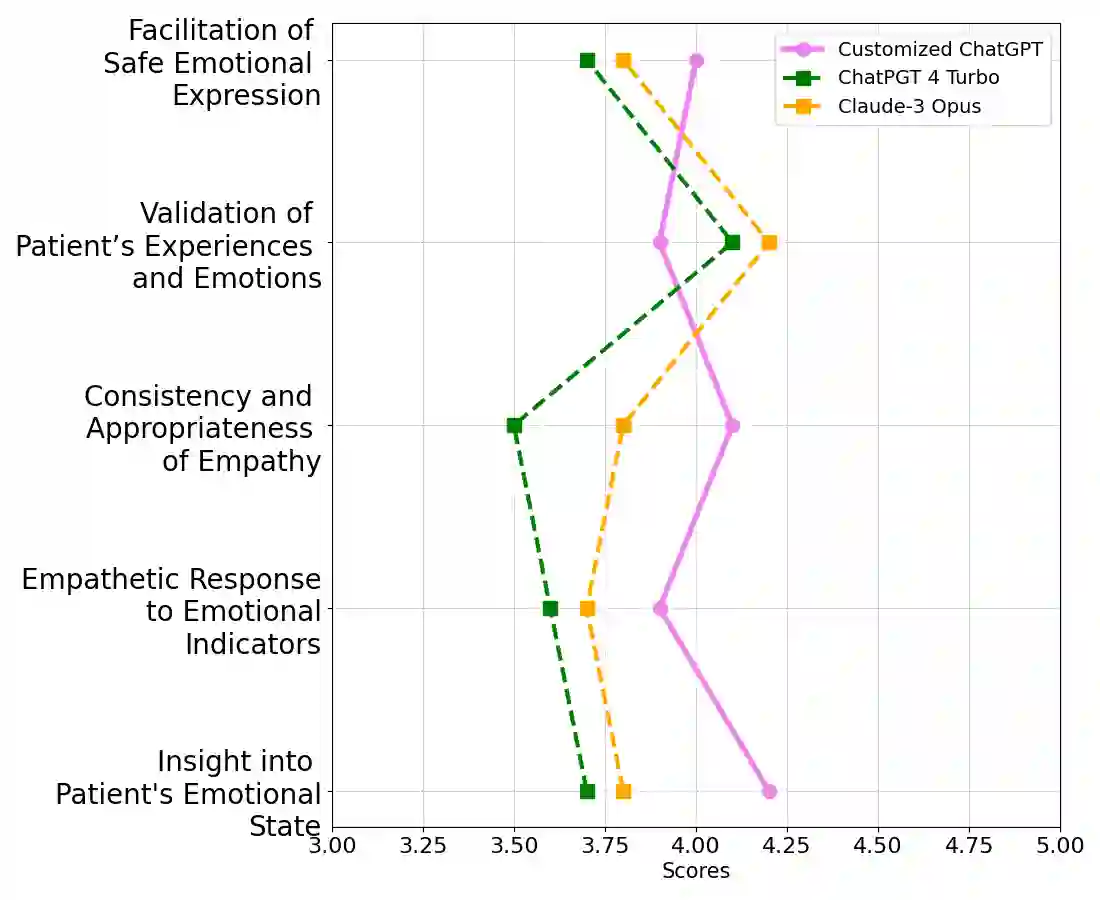
Attention Deficit Hyperactivity Disorder (ADHD) is a neurodevelopmental condition characterized by inattention, hyperactivity, and impulsivity, which can significantly impact an individual's daily functioning and quality of life. Occupational therapy plays a crucial role in managing ADHD by fostering the development of skills needed for daily living and enhancing an individual's ability to participate fully in school, home, and social situations. Recent studies highlight the potential of integrating Large Language Models (LLMs) like ChatGPT and Socially Assistive Robots (SAR) to improve psychological treatments. This integration aims to overcome existing limitations in mental health therapy by providing tailored support and adapting to the unique needs of this sensitive group. However, there remains a significant gap in research exploring the combined use of these advanced technologies in ADHD therapy, suggesting an opportunity for novel therapeutic approaches. Thus, we integrated two advanced language models, ChatGPT-4 Turbo and Claude-3 Opus, into a robotic assistant to explore how well each model performs in robot-assisted interactions. Additionally, we have compared their performance in a simulated therapy scenario to gauge their effectiveness against a clinically validated customized model. The results of this study show that ChatGPT-4 Turbo excelled in performance and responsiveness, making it suitable for time-sensitive applications. Claude-3 Opus, on the other hand, showed strengths in understanding, coherence, and ethical considerations, prioritizing safe and engaging interactions. Both models demonstrated innovation and adaptability, but ChatGPT-4 Turbo offered greater ease of integration and broader language support. The selection between them hinges on the specific demands of ADHD therapy.
翻译:注意缺陷多动障碍(ADHD)是一种以注意力不集中、多动和冲动为特征的神经发育状况,可能显著影响个体的日常功能和生活质量。职业治疗通过培养日常生活所需技能及增强个体在学校、家庭和社交场合的充分参与能力,在ADHD管理中发挥着关键作用。近期研究强调了整合大型语言模型(如ChatGPT)与社会辅助机器人(SAR)以改善心理治疗的潜力。该整合旨在通过提供定制化支持并适应这一敏感群体的独特需求,克服现有心理健康治疗的局限性。然而,目前针对这些先进技术在ADHD治疗中联合应用的研究仍存在显著空白,这提示了开发新型治疗方法的机遇。为此,我们将两种先进语言模型——ChatGPT-4 Turbo与Claude-3 Opus——集成至机器人助手中,以探究各模型在机器人辅助交互中的表现。此外,我们通过在模拟治疗场景中比较其性能,评估它们相对于经临床验证的定制模型的有效性。研究结果表明,ChatGPT-4 Turbo在性能和响应速度方面表现卓越,适用于时间敏感型应用;而Claude-3 Opus则在理解能力、连贯性和伦理考量方面展现出优势,更注重安全且具吸引力的交互。两种模型均表现出创新性与适应性,但ChatGPT-4 Turbo提供了更便捷的集成方式和更广泛的语言支持。二者之间的选择最终取决于ADHD治疗的具体需求。




相关内容




 微信扫码咨询专知VIP会员