

Timely and accurate extraction of Adverse Drug Events (ADE) from biomedical literature is paramount for public safety, but involves slow and costly manual labor. We set out to improve drug safety monitoring (pharmacovigilance, PV) through the use of Natural Language Processing (NLP). We introduce BioDEX, a large-scale resource for Biomedical adverse Drug Event Extraction, rooted in the historical output of drug safety reporting in the U.S. BioDEX consists of 65k abstracts and 19k full-text biomedical papers with 256k associated document-level safety reports created by medical experts. The core features of these reports include the reported weight, age, and biological sex of a patient, a set of drugs taken by the patient, the drug dosages, the reactions experienced, and whether the reaction was life threatening. In this work, we consider the task of predicting the core information of the report given its originating paper. We estimate human performance to be 72.0% F1, whereas our best model achieves 62.3% F1, indicating significant headroom on this task. We also begin to explore ways in which these models could help professional PV reviewers. Our code and data are available: https://github.com/KarelDO/BioDEX.
翻译:从生物医学文献中及时准确地提取药物不良事件(ADE)对于公共安全至关重要,但涉及缓慢且昂贵的人工劳动。我们致力于通过自然语言处理(NLP)改善药物安全性监测(药物警戒,PV)。本文提出BioDEX——一个基于美国药物安全报告历史产出的大规模生物医学药物不良事件抽取资源。该资源包含6.5万篇摘要和1.9万篇全文生物医学论文,并附有由医学专家创建的25.6万份相关文档级安全报告。这些报告的核心特征包括:患者的报告体重、年龄和生物学性别、患者服用的药物集合、药物剂量、所经历的不良反应,以及该反应是否危及生命。在本研究中,我们考虑根据原始论文预测报告核心信息的任务。经评估,人类表现F1值为72.0%,而我们最佳模型达到62.3% F1值,表明该任务仍有显著提升空间。我们还初步探索了这些模型辅助专业PV审阅者的方式。代码与数据开源地址:https://github.com/KarelDO/BioDEX。


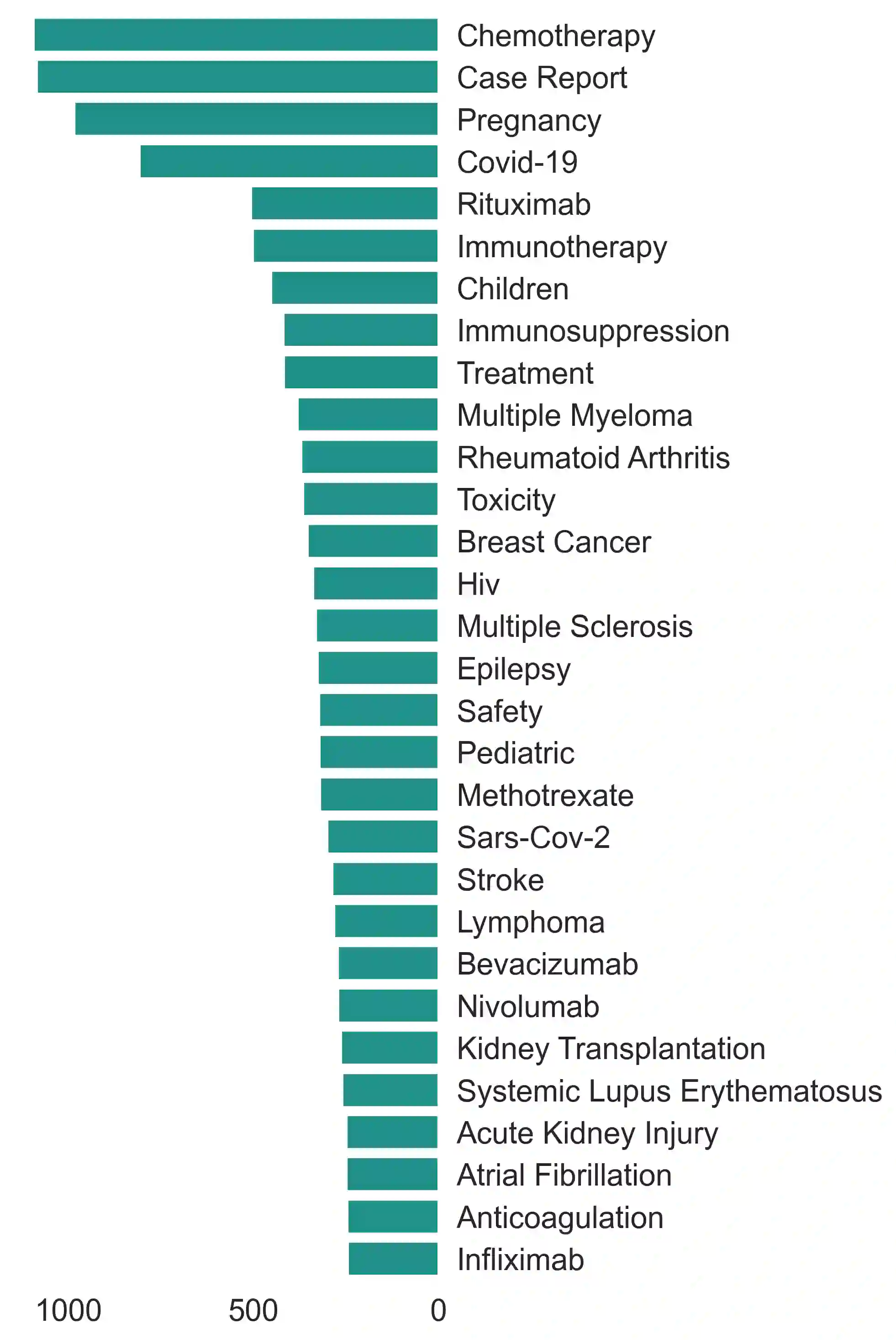





相关内容




 微信扫码咨询专知VIP会员