

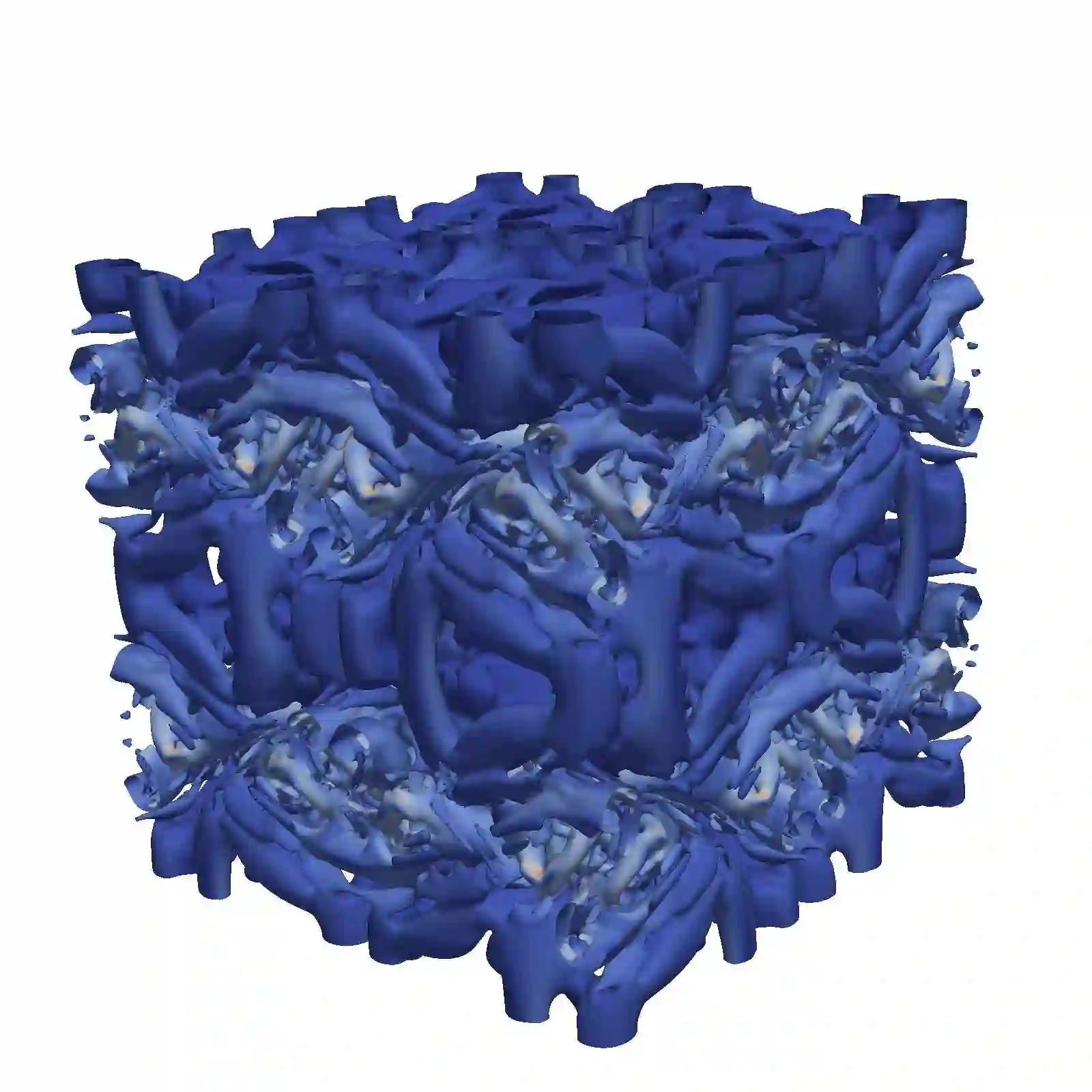
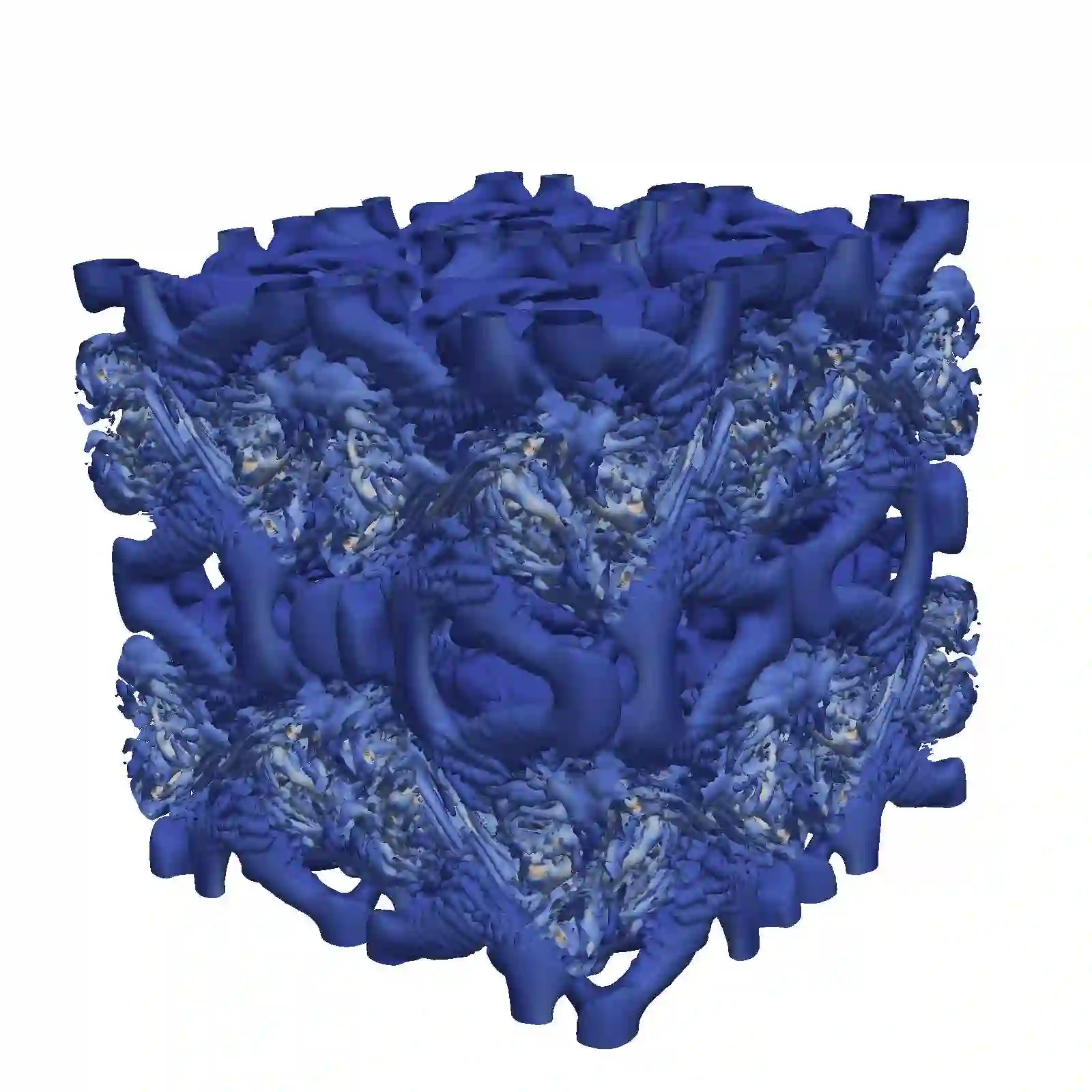
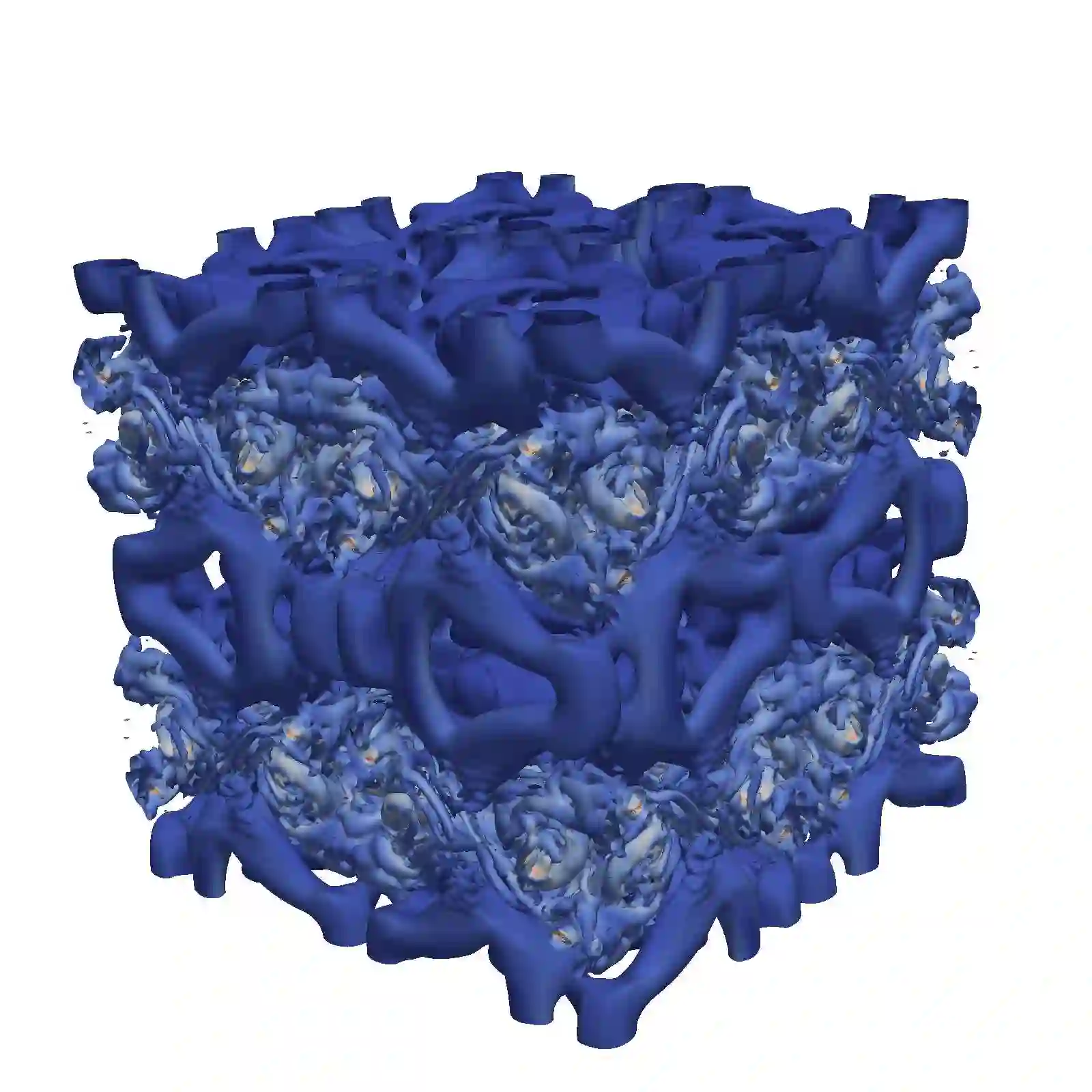
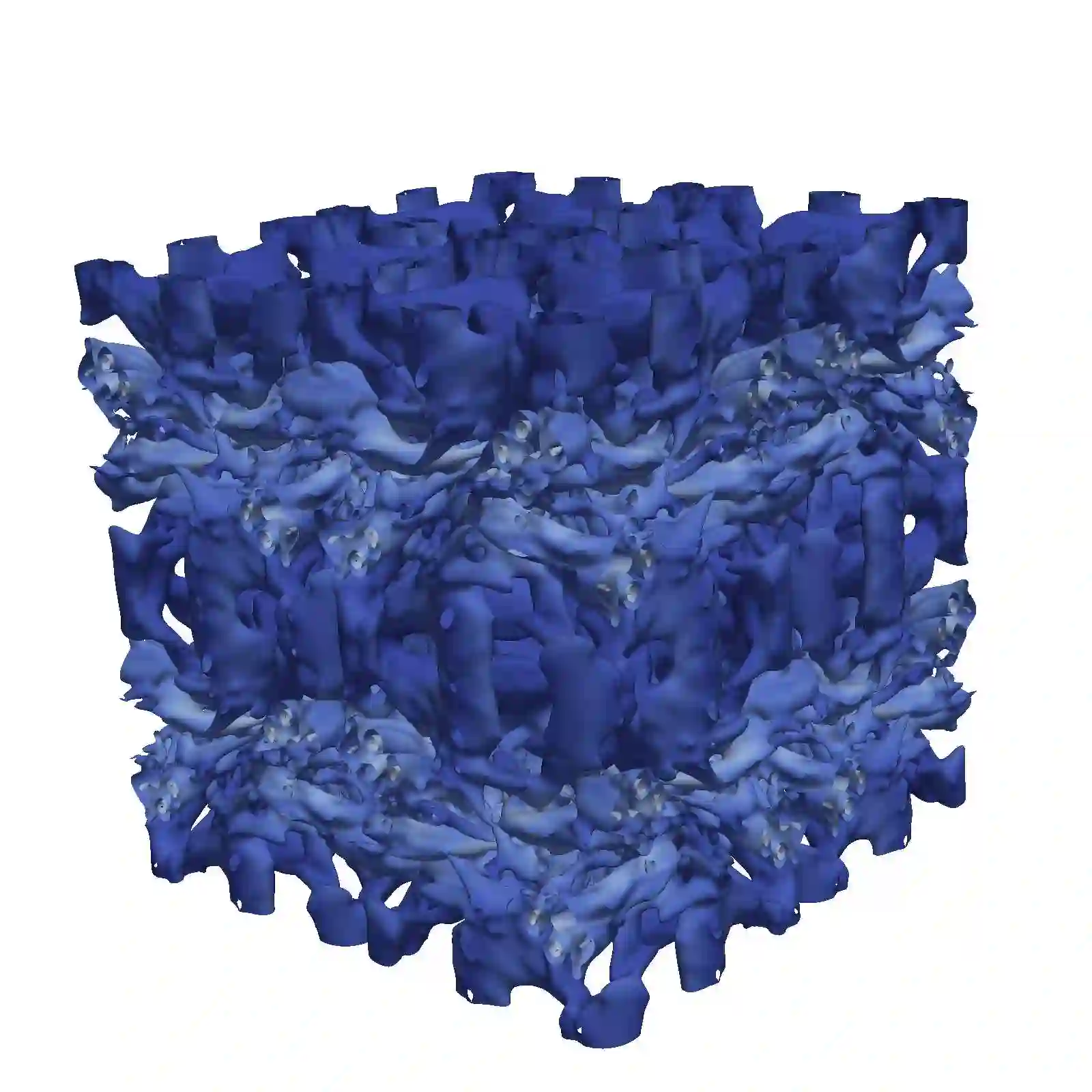
Residual and solution filtering procedures are studied with respect to inhibiting the accumulation of small-scale (i.e., high wavenumber) content. Assessing each method in terms of an ``equivalent residual equation" reveals fundamental differences in their behaviors, such as how the underlying solution can be constrained to a target filter width. The residual filtering (RF) approach paired with a dissipative filter kernel is shown to restrict scale generation in the fluid equations via dispersive effects; meanwhile, solution filtering (SF) -- and artificial dissipation (AD), by extension -- operates through dissipative mechanisms and actively attenuates high wavenumber content. Discrete filters (i.e., the Top-hat and implicit Tangent schemes) are analyzed in terms of their response characteristics and their associated effects on reducing small-scale activity when paired with the RF versus SF approaches. Linear theoretical assessments (e.g., von Neumann analysis) are shown to successfully characterize the fundamental behaviors of the methods in non-linear settings, as observed through canonical test cases based on 1D viscous Burgers, 2D Euler, 3D Navier-Stokes equations.
翻译:针对残余过滤与求解过滤流程抑制小尺度(即高波数)成分积累的特性进行了研究。通过"等效残余方程"评估每种方法,揭示了其行为上的根本差异,例如底层解如何被约束至目标过滤宽度。研究表明,采用耗散滤波核的残余过滤(RF)方法通过色散效应限制流体方程中的尺度生成;而求解过滤(SF)——以及延伸而言的人工耗散(AD)——则通过耗散机制运作,主动衰减高波数成分。本文分析了离散滤波器(即顶帽滤波器与隐式正切格式)的响应特性,及其与RF和SF方法结合时对降低小尺度活动的相应影响。线性理论评估(如冯·诺依曼分析)成功表征了各方法在非线性环境中的基本行为,这一结论通过基于一维粘性Burgers方程、二维Euler方程及三维Navier-Stokes方程的经典算例得到验证。





相关内容

 微信扫码咨询专知VIP会员